
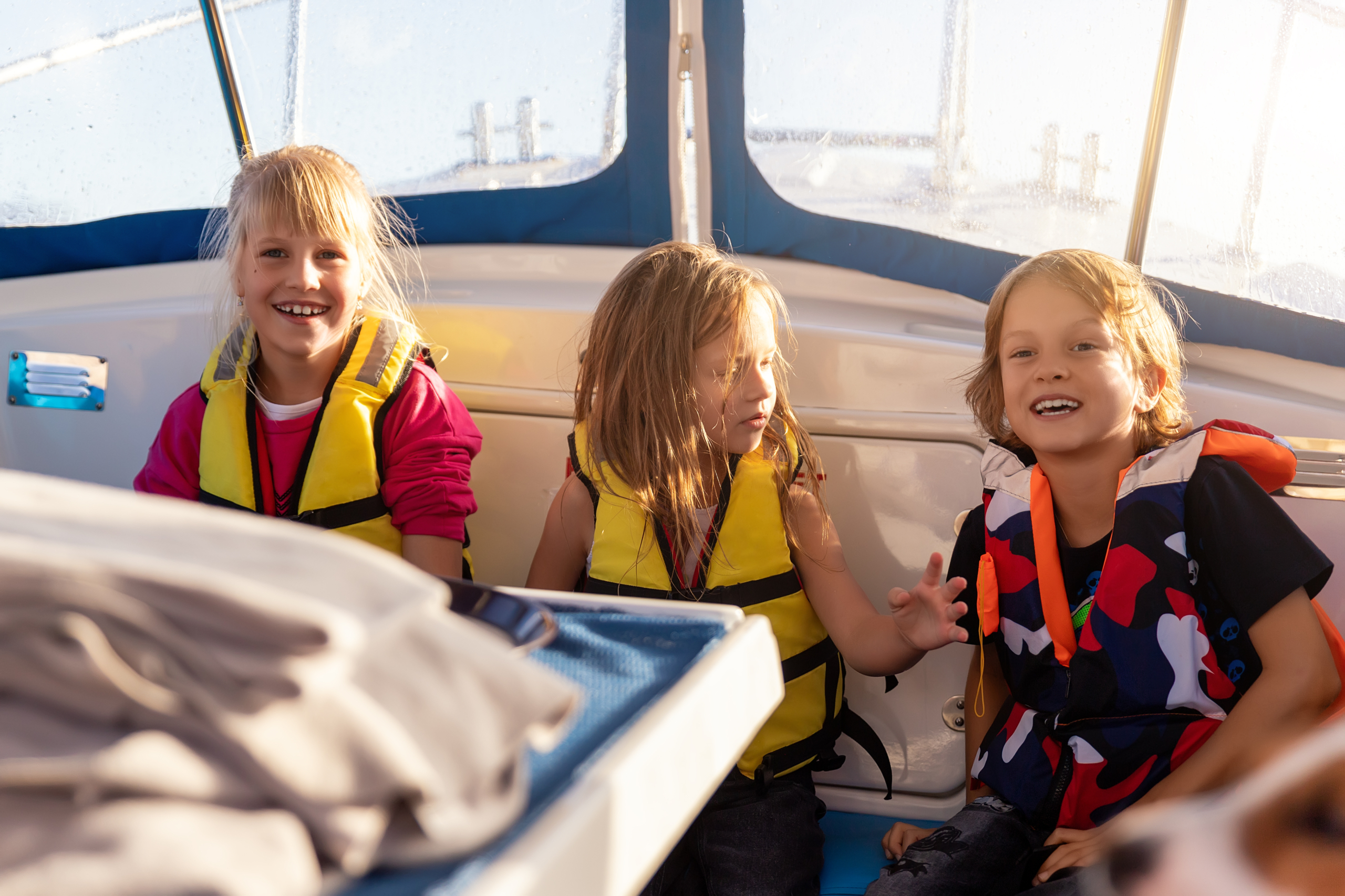
Three boating safety experts share some key advice to help families stay safe and enjoy their time on the water.
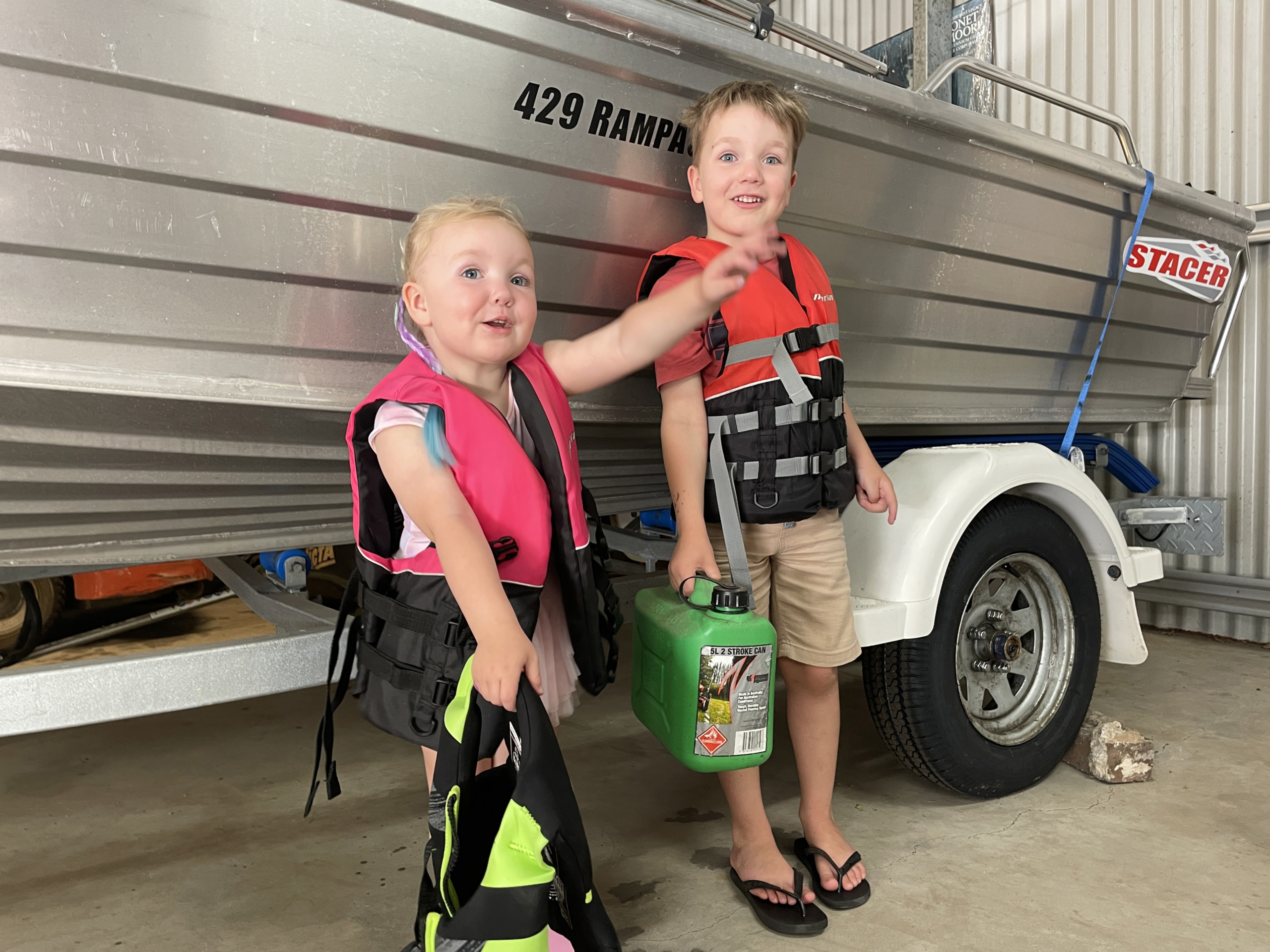
Storm Eastley, Senior Recreational Boating Safety Officer, Marine and Safety Tasmania (MAST).
Boating is a wonderful way for families and friends to spend time together, exploring rivers, lakes, and coastal waters – fishing or simply relaxing. When children are on board, safety is paramount, and with the right preparation, days out on the water are enjoyable and memorable. To help you and your family stay safe, here are six tips to remember when boating with children.
Safe boating starts with education.
Talking with children before you leave the shore is the best way you can help them understand basic boating safety. But not all children have this opportunity. To bridge this gap, MAST delivers an in-school boating program annually to over 10,000 students across Tasmania. This program introduces students to key boating safety practices including the importance of wearing life jackets, how to recognise hazards and how to behave on and around boats.
Ensure life jackets fit properly.
Always remember that life jackets supplement supervision, they do not replace it. A life jacket is only effective if it fits correctly. Children grow quickly, so check that their life jackets are snug but comfortable. When being worn, all straps should be fastened correctly including the crotch strap. Bright, high-visibility colours make it easier to always keep track of children in the water. Children under 12 years of age should wear a foam style jacket, not one that requires inflation.
Make early experiences positive.
Your child’s first experiences on a boat should be calm and fun. Once children understand basic safety, start with boat trips close to shore and focus on enjoyment and positive early boating experiences. This approach will help children build confidence and reduce anxiety, making them more likely to enjoy and actively engage with future boating adventures.
Teach children to recognise hazards.
Children should know where safety equipment is stored on your boat, why they should avoid running or leaning over the edge, and how to respond if they accidentally fall in or get wet. Practising these mock incidents on calm trips helps children internalise safe habits, which over time become automatic in challenging conditions.
Involve children in the safety process.
Make boating a shared safety experience by involving children in every step. Teach them how to check the weather forecast, load safety gear, and inspect the boat before you leave the shore. Let them help secure equipment and point out potential or identified hazards. By including children in these tasks, they learn responsibility, develop awareness of safety measures, and understand why these steps are important. This hands-on involvement also reinforces lessons from school programs and creates a sense of ownership in keeping everyone safe.
Encourage a safety mindset throughout the day.
Remind children to check that their life jacket is fitted correctly, to pay attention to weather changes, and to always follow your instructions. Reinforcing safe behaviour throughout the day helps children understand that safety is constant and part of every activity, not just something you do at the start of the trip. This approach builds lifelong safe boating habits that keep them safer on the water.
Boating with children can be a great family activity when approached thoughtfully. By educating them, ensuring life jackets fit correctly, easing them into positive experiences, teaching hazard recognition, maintaining supervision, and encouraging participation, you create safe and enjoyable outings. These early experiences lay the foundation for a lifelong appreciation of boating safety.
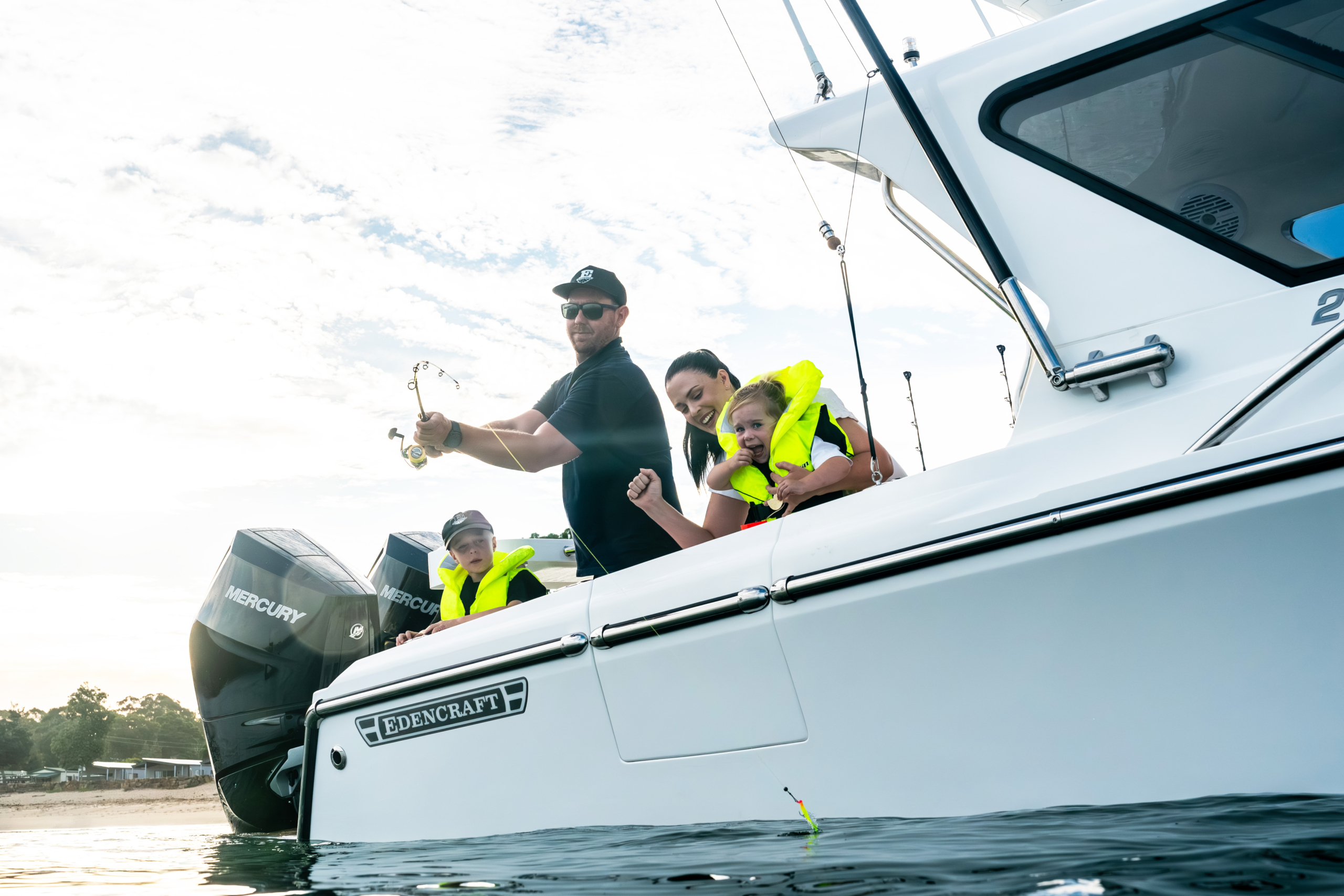
Dan Duemmer, Acting Deputy Commissioner, Marine Rescue NSW.
Boating offshore with your family brings added responsibility, and as the skipper of your vessel, that responsibility rests with you. Being prepared is key to enjoying a great, fun-filled family day with minimal stress and the lowest possible risk.
- Before you head out, keep a keen eye on the weather forecast – in particular, the coastal waters forecast for your local area provided by the Bureau of Meteorology. Make an early decision about whether you will go or not, and keep your family in the loop. They may even pick up some of your skills in risk mitigation and weather monitoring – or, at the very least, it may help keep the peace.
- While you’re still at home, take the time to complete a thorough check of your vessel’s engine, battery and fuel level. In addition, inspect all safety equipment, especially life jackets and offshore safety gear (flares, EPIRB, VHF radio and first aid kit). Get the kids involved in the process – it’s a great bonding opportunity, and they might learn a thing or two. Don’t forget to pack plenty of water.
- When you arrive at the ramp, brief the family on how you plan to launch the vessel and what you need them to help with – or stay clear of. Reversing a trailer and launching a boat can be hazardous, with slip, trip and fall risks common around local boat ramps.
- Once you are on the water, log on with your local Volunteer Marine Rescue (VMR) service and explain to the kids why this is important. Ensure all family members are wearing life jackets that are correctly sized and fitted. No exceptions.
- While underway, make sure you set clear ground rules: one hand for the boat and one for yourself (teach kids this rule early), and take care when moving around the vessel. Have a plan in place if someone on board becomes seasick. This can be difficult to manage, particularly with children, and may require cutting the trip short. Severe seasickness can lead to dehydration and, in hot conditions, may become more serious. Once seasickness sets in, it is generally very hard to overcome until you return to dry land.
- Remain situationally aware at all times when offshore with your family. Always know where you are, what the conditions are doing and whether the weather is changing. This awareness is vital for good decision-making, particularly when the fish are biting and the excitement of the moment can distract you.
- Keep a close check on your fuel levels and ensure you have plenty – including reserve – to make it safely back to shore. Once you’ve returned, remember to log off with your VMR service. Then comes the real challenge: getting the kids to help clean up and pack everything away properly!
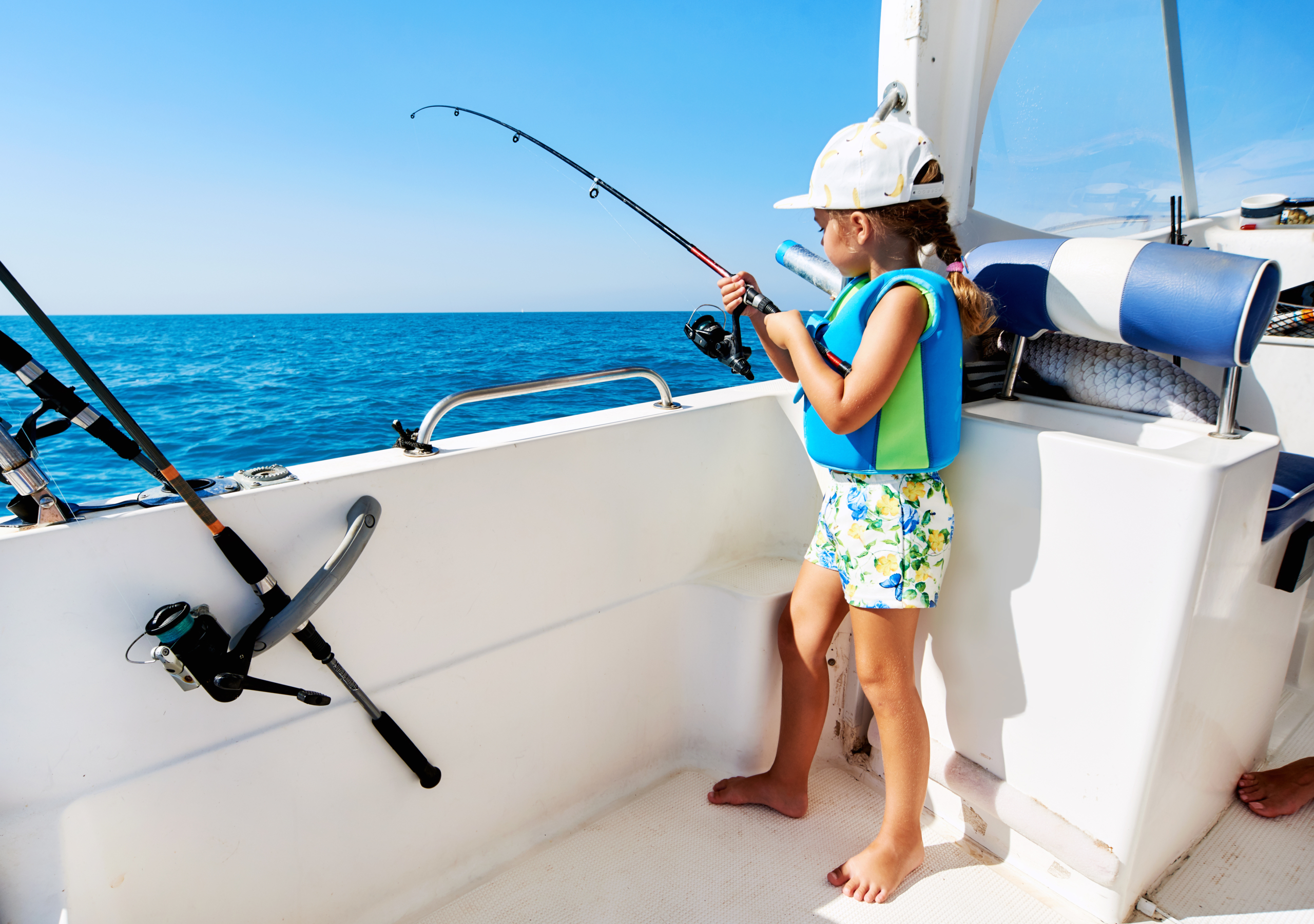
Paul Field, Marine Loss Adjustor and Retired Coastguard New Zealand Senior Master.
Having children on board adds an additional dynamic to any excursion that can be stressful for any skipper, and as parents and vessel operators it’s important we put strategies in place to minimise the risks and teach children good practices and behaviours. We want families to have fun out on the water and the correct formative safety education for children creates a positive culture of boating safety and enhances boating for everyone.
- Briefing: before lines are cast and the vessel departs it is important that everyone is familiar with the craft and general layout. Familiarity with the location of some key equipment and the dangers in the vessel are paramount to explain. Too often we see a tendency for young people to place hands and fingers in areas of danger, so highlight to your guests where they can and can’t touch. We often find with young children having a limited attention span, they will only recall 3-4 main points of note, hence consider your vessel’s layout and primary dangers and keep it simple and clear for them.
- Environment: conditions are constantly changing out on the water, so ensure all on board have appropriate windproof and warm clothing and the ability to stay dry (or get dry). I can guarantee you a warm and dry child will be a lot happier as a passenger.
- Experience and communication: be mindful of the experience levels on board especially with young teens. Equally giving older children a sense of responsibility or a task goes a long way to building their confidence. It is important that all children are confident in being able to tell you how they are feeling while on your vessel. It is easier to explain away a fear if the child is open to talking about it.
Set in place a culture of children letting an adult know if they are intending to move around the vessel at any time. For larger vessels, if a child needs to move to another part of the vessel, they should let you know prior. Or consider putting in place a buddy system so everyone is aware where all parties are at all times.
- Securing and holding on: when out on a moving vessel we would suggest three points of contact at all times as a general rule. Show the young folk where and what they can hold on to and how to brace themselves for vessel movement. Potentially consider installing additional handrails, tethers or similar if you are looking to have guests regularly onboard. For very young children, ensure they are seated securely with an adult to ensure they don’t fall off a seat or similar.
Explain and show the difference in vessel motion while the craft is underway and stationary. If children know what to expect, it minimises any fear from a new experience. Be mindful of vessel wakes and density of other vessels operating in close proximity as this has a significant effect on your vessel’s motion.
- Life jackets and first aid: correctly fitting life jackets are essential, and for very young children most have a crutch strap or similar to prevent a child from slipping out of the jacket if they happen to fall in the water. Ensure all on board are wearing their life jacket correctly before heading out – be the example.
A fun activity which promotes confidence is to hop in the water with your child in their life jacket so they get to experience first-hand how it works, show them how it self-rights the body to have the head upright, show them the whistle and any other features. Also, show children where the first aid kit is on board and ensure you have plenty of plasters and dressings suitable for your smaller guests.
- Food and seasickness: ensure there is plenty of food and drink onboard for children. Keep a stock of antinausea medication on board and ensure it’s suitable for children. If we can head off seasickness early, it makes for a far more enjoyable day out for everyone.
- Have fun: boating is a recreation. As skippers, it is our role to teach the new generation and share the correct safety knowledge and behaviours while emphasising the vast enjoyment being on the water can bring.
- Water toys and fishing: get the children involved, some healthy sibling competition with a fishing rod and a treat for the winner makes for a fun day out. If you’re using water toys make sure there’s some clear communication signals established with the children before they hop in the water.
- Driving lessons: depending on their age and local boating licence regulations, consider teaching your children how to drive the boat. I’ve done this and the grins from both my son and daughter the first time they helmed our boat will stay with me forever. As skippers and parents, it’s important we take the time to teach the next generation of boaters. It is so rewarding to see their confidence levels grow and make memories together. Ultimately, we want everyone to enjoy being on the water with family and to return safely, with a desire to do it again.
For boating news, features and interviews, subscribe to Nautilus Marine Magazine here.