
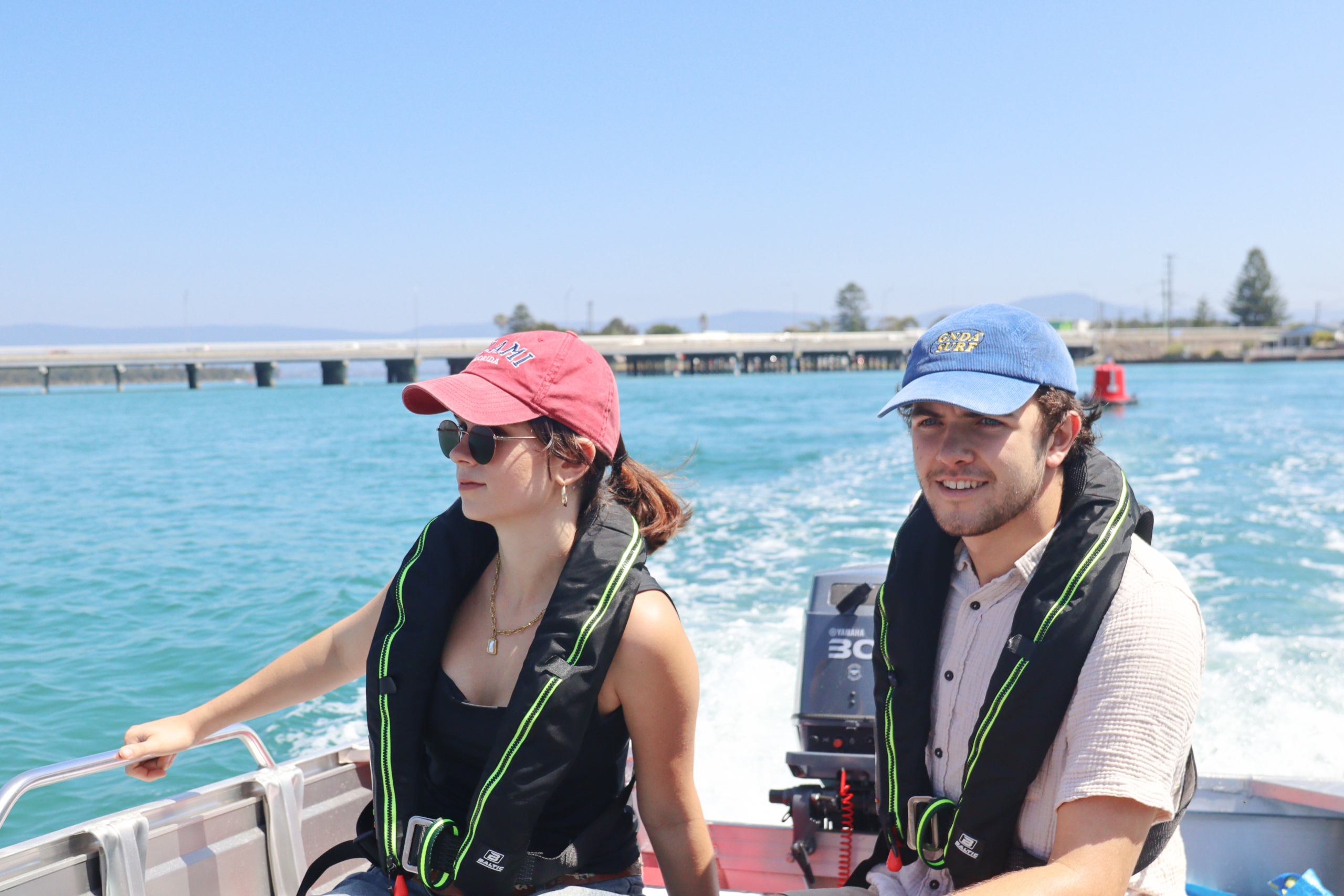
Three boating safety experts share some key advice to help you stay safe on the water this summer.
Dan Duemmer, Acting Deputy Commissioner, Marine Rescue NSW.
During summer, it’s important to take a few extra precautions and keep some things in mind to stay safe on the water and make the most of your day out.
- When planning your trip and getting your vessel ready, check the engine coolant and ventilation systems if you have an inboard engine. Engine compartments can get extremely hot in summer, and with warmer water temperatures, overheating can happen quickly.
- As well as making sure your vessel is in good working order and you have all the right safety gear, stay aware of your surroundings and the waterway or coastline where you’re boating. Most waterways get much busier during summer, with more boats and paddle craft out and about.
- Know your ‘rules of the road’ and any local restrictions such as speed limits, no-wash zones and anchoring areas – and remember to be courteous to others on the water.
- Many waterways also host events that can change how and where you can travel. Check local signage at boat ramps and have a chat with your local volunteer marine rescue (VMR) organisation. In NSW, Sydney Harbour hosts some of the country’s biggest on-water events – the start of the Rolex Sydney Hobart Yacht Race, New Year’s Eve fireworks and, of course, Australia Day. Australia Day is by far the country’s busiest day on the water. So, if you’re planning to head out, have a good plan in place and be ready for plenty of boating activity.
- Stay hydrated and drink plenty of water. Dehydration can set in quickly during extreme heat, causing dizziness, nausea, headaches and confusion. If the forecast is for very hot conditions, think about shortening your time out on the water.
- Always keep an eye on the weather, no matter the season. In summer, it’s especially important to know your local conditions. Summer storms are common, can create dangerous conditions and often roll in quickly. Watch out for storm clouds forming and check forecasts regularly. Cumulonimbus clouds are the ones to look for – tall, dark clouds that can bring thunderstorms, lightning, heavy rain, hail and sometimes waterspouts. These storms can be intense, bringing strong winds, though they’re usually short-lived.
- With more people on the water, it’s a good idea to let someone know where you’re going and when you expect to return. We encourage all boaters to log on with their local VMR base – it’s free, and it could save your life one day.
Visit marinerescuensw.com.au
Adam Smith, President of the Boating Industry Association and Owner of Australian Boating College Sydney.
As the weather warms up and waterways become busier, it’s essential to keep safety front of mind. While offshore boating has its own challenges, enclosed waters often present unique risks due to higher traffic, swimmers, and recreational craft. Here are some practical tips to help you enjoy a safe and stress-free summer on the water.
Check your safety equipment and local requirements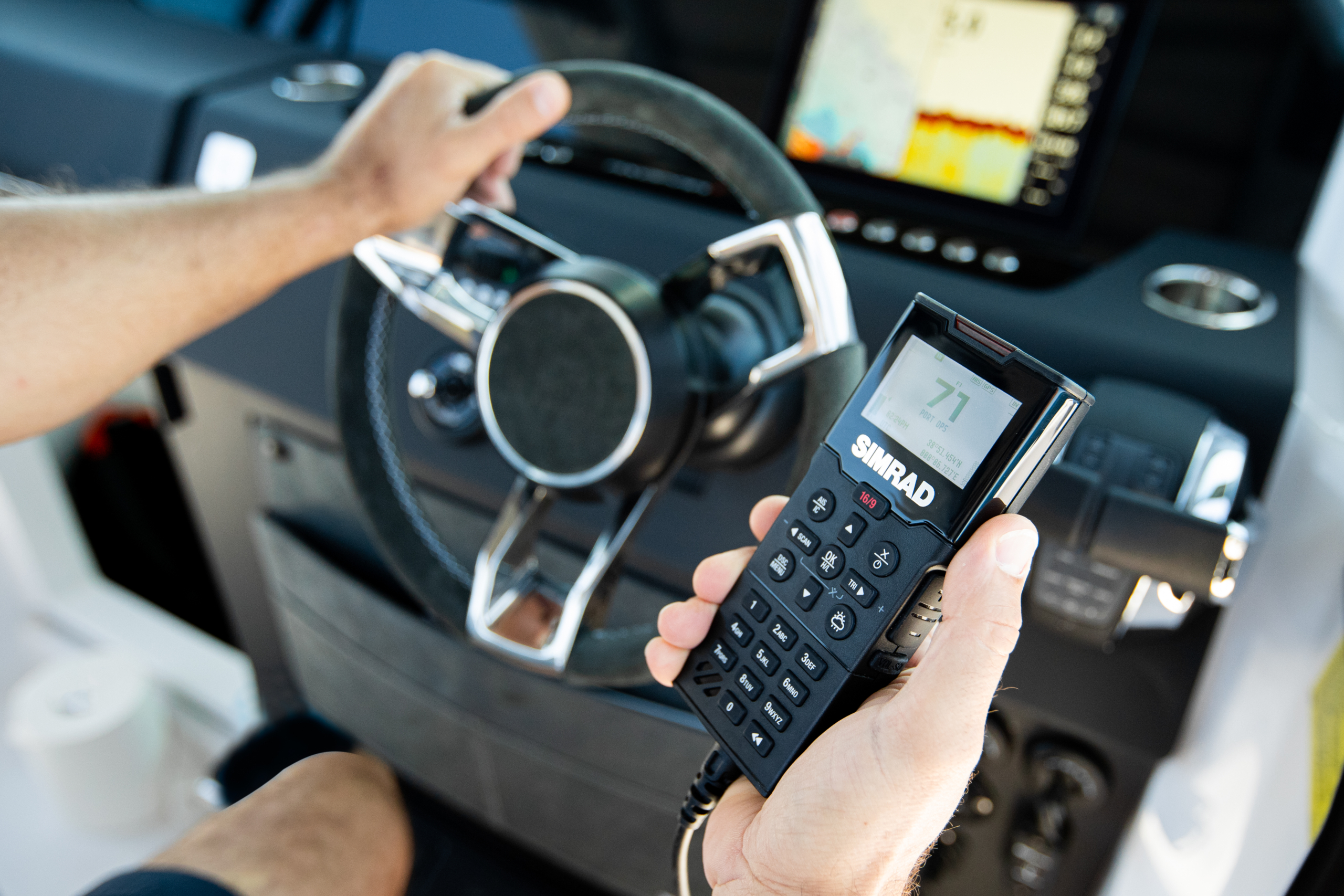
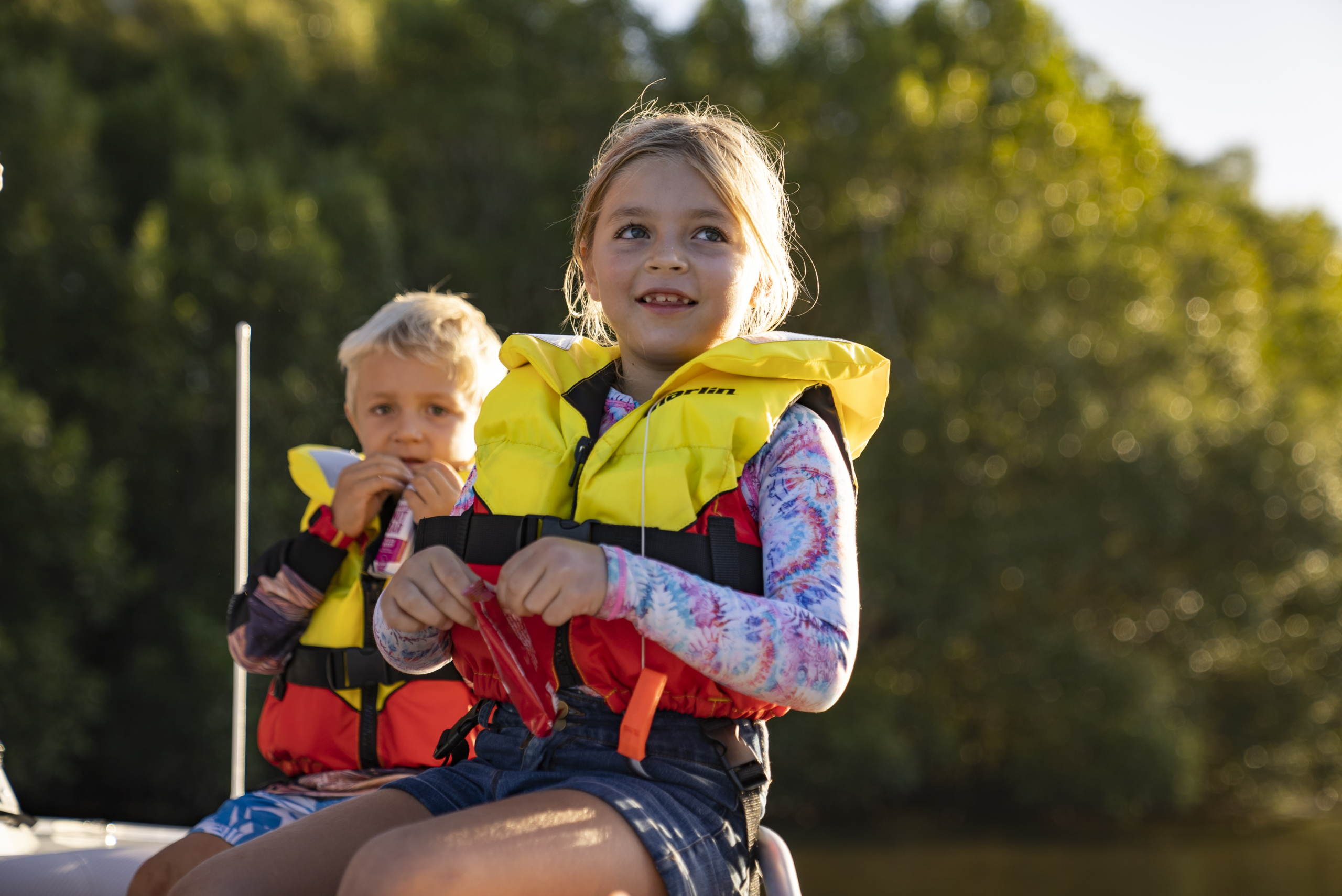
- Wearing a life jacket is one of the easiest ways to keep everyone on board safe. Make sure you have the right type and number of life jackets on board to suit your guests and where you’re boating.
- Remember that rules differ from state to state, so, if you’re travelling interstate this summer, check on the rules for where you’re going, to make sure you’ll comply in those local waterways.
Stay alert in crowded areas
- Enclosed waters can be busy with boats, swimmers, kayaks, and personal watercraft (PWCs). Keep a proper lookout and maintain a safe speed, especially near beaches, ramps, and moorings.
- Ensure that you take early and substantial action to avoid collisions. Be ready to do what may be needed to avoid a collision, even if you have right of way.
PWC etiquette and safety
- PWCs are great fun, but you need to be mindful that they’re a highly visible waterway activity and have different operational rules to powerboats.
- Always operate at a safe speed, keep well clear of swimmers, and avoid activities that may draw unwanted attention. Make yourself aware of rules around exclusion zones, restriction zones and any other local rules governing the operation of PWCs.
- If you’re operating an unfamiliar PWC, make sure you familiarise yourself with the controls of the PWC before departing.
Towing sports – plan ahead
- If you’re towing skiers, wakeboarders, or inflatables, ensure you have an observer on board who meets the requirements for your state. Always establish a process of communication between observer and towed persons that everyone understands.
- Be aware of local rules and regulations about towing. Make sure that all your equipment also complies with local rules. Life jacket requirements, tow-rope lengths and other rules can vary around Australia.
Prepare for the unexpected
- Even close to shore, things can go wrong. Make sure someone knows where you’re going, and when you’ll return. They can let someone know if you don’t return on time.
- Have communication equipment on board in case you need to reach help. A mobile phone is good, but a VHF marine radio is a better option. Make sure you know how to use the radio with confidence.
Visit abcboating.net.au and bia.org.au
Captain Colin Bairstow, Volunteer Marine Rescue WA.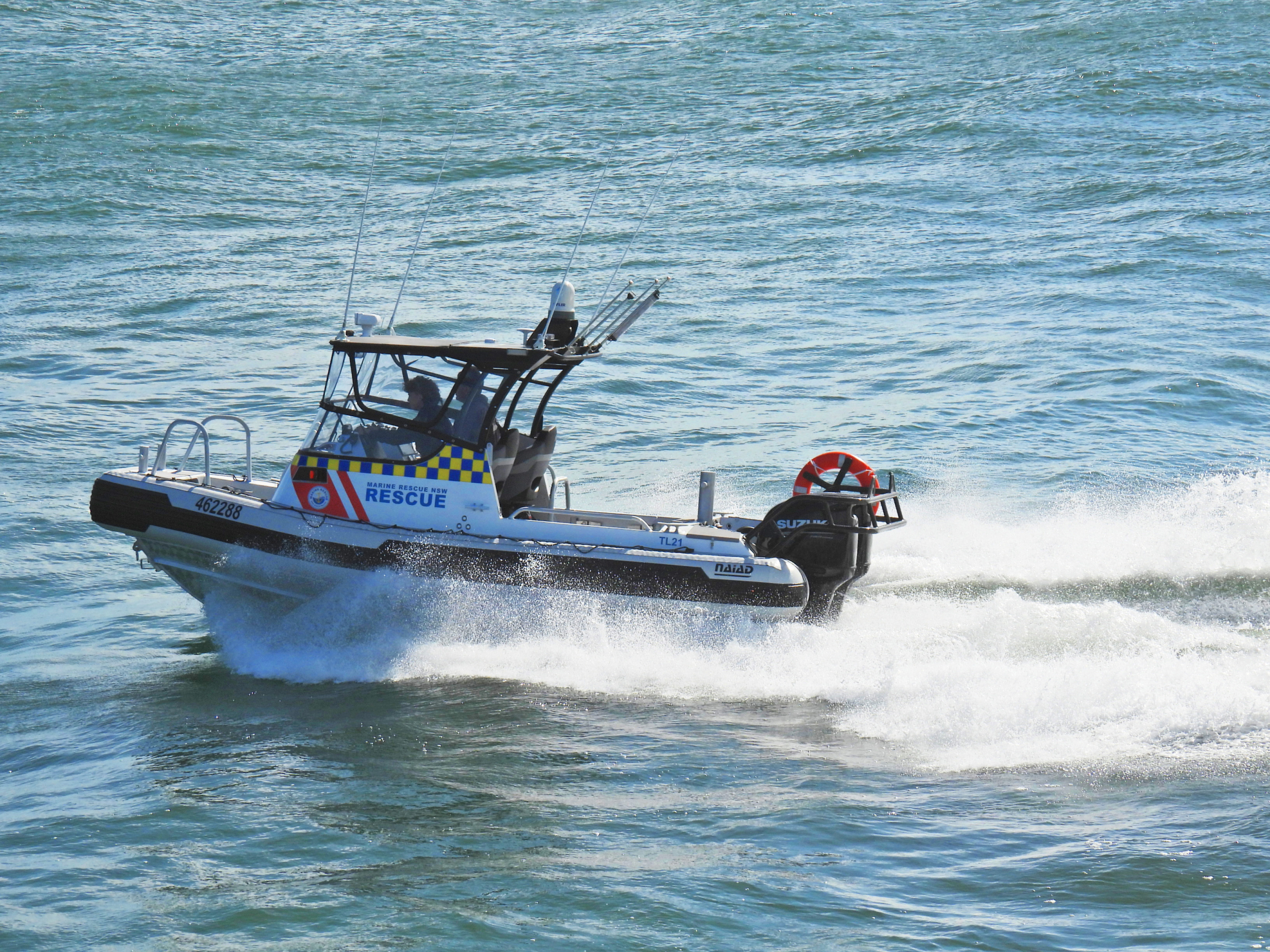
If you are the master of the vessel, the safety of your passengers this summer is your responsibility, and there are many little boat maintenance tasks and checks that are very important.
- Batteries are often overlooked. For my larger vessel, I rotate my bank of six batteries every three years. Every year I replace one bank and shuffle them through. For many boats, a volt metre won’t tell you the true battery condition. Instead, take it to your local battery agent and have it load tested to see if it can hold cranking amps. In an emergency where your battery does go flat on the water, many outboards have a pull rope under and outside the cowling cover which allows you to perform a rope pull-start.
- Fuel lines and deck hoses should be checked for perishing, wear, and cracks. Flex the pipe/hoses to see if they withstand a bit of pressure. If they split or crack, it’s best for that to happen while you’re on land.
- Fresh fuel for the coming season is recommended if your boat has been laid up for a while. For inbuilt fuel tanks, consider when you last drained out the bottom for sludge and water build up.
- If you lose your electronics, a good quality compass will help you get home so always have one onboard. Be sure to keep a few bearings written down – try laminating them and tucking them onto your boat with your flares and safety gear.
- Personal flotation devices (PFDs) with tie strings should be pull tested to ensure they are in good order. An incorrect fitting PFD can be as dangerous as not wearing one at all. Self-inflating PFDs have a small cylinder to inflate them. When routinely checking my own self-inflating PFDs I’ve previously found cylinders had unscrewed and were too far away from the firing pin, so would not have activated automatically.
- All flares have expiry dates on them, so check your flares are in date. It is also handy to have a pair of leather gloves to go with your flare kit, as they do burn quite hot.
- Most importantly, always log on and log off with your local volunteer marine rescue.
- Check your volume is up and on the local call channel. If you need to make a call, remember to keep in mind R.S.V.P – rhythm, speed, volume and pitch. Hold the microphone at your mouth and talk across
the face of the microphone.
- Lastly, remember alcohol and the ocean don’t mix. Safe boating this summer!
Visit vmrwa.org.au
For boating news, features and interviews, subscribe to Nautilus Marine Magazine here.