
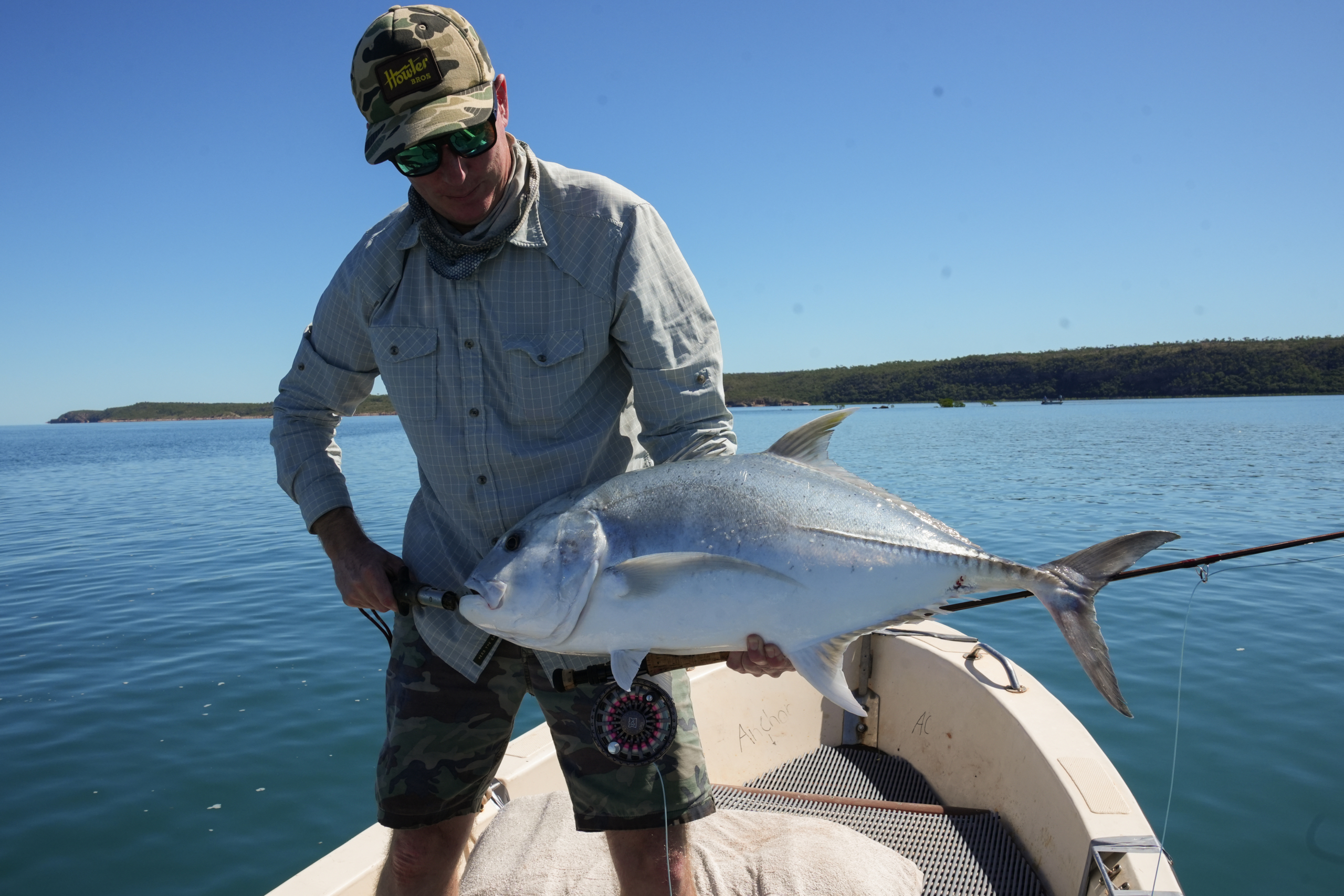
A boat is much more than a platform to catch a fish. It’s an important tool, part of your fishing arsenal and something that will provide results if used correctly. Just like understanding how to use a fish finder, understanding how to effectively control your boat in any given fishing situation will often mean the difference between success and failure.
Take game fishing for example. It’s well known that the way game fishing skippers find and help land giant game fish takes more skill than the person holding the fishing rod. In this game fishing situation, it’s very much a team effort and everyone on board has a role in fishing and landing fish.
While not so obvious in smaller boats, it’s still a team effort, and the job of fishing and landing fish starts with the operator of the boat. Let’s explore some skills and ideas to help you use your boat more effectively to catch fish.
Setting up your boat
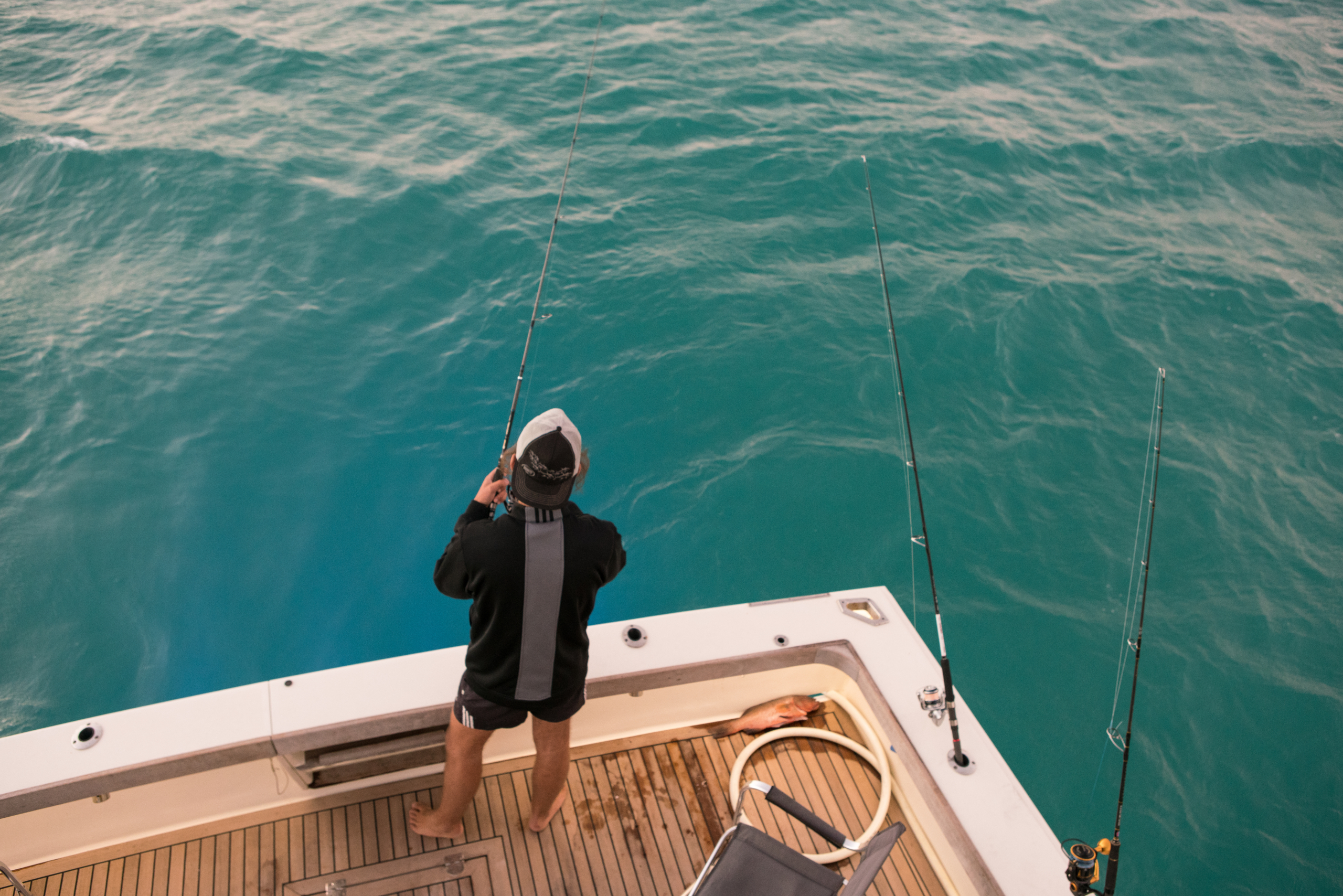
Having the right boat for your fishing and setting it up correctly is important. Is your boat set up for fishing? Firstly, ask yourself what type of fish you would like to catch and where they are caught. Not every boat suits every situation. You wouldn’t use a tinny for game fishing and a big 50ft flybridge game boat isn’t suited to estuary fishing. There are many styles in between of all shapes and sizes and each one has a particular purpose. Do some research and ensure your boat is fit for purpose. And be honest with yourself. Is your boat big enough or safe enough to reach an offshore fishing ground? It’s best to simply use it for its intended purpose. You’ll have more fun, catch more fish, and stay safe.
What about setting up the boat? Again, work out the type of fish you’re targeting and where it will be used. Most boats will need a fishfinder and GPS chartplotter. Buy the best one you can afford and have it mounted professionally in a position where it can be viewed easily while fishing. Just as important is to learn how to use the fishfinder. Spend some time on or off the water learning its features. You won’t be disappointed.
Modern fish finders offer clear identification of fish and structure. Using features such as SideScan, you’re able to identify fish and pin point their location before moving across their path. It’s a real advantage and something that can be used successfully with a little knowledge. Live sonar is also an important part of modern sonar technology. It allows you to watch fish in real time and identify if a fish is present before you even cast. It’s a true game changer, particularly for inland and estuary situations.
Another common accessory for a fishing boat is an electric trolling motor. Many boats, from small tinnies to larger offshore trailer boats, have these fitted. They’re an important part of manoeuvring your boat quietly, something I’ll be covering later on in this article. Another tip is to ensure you not only have sufficient rod holders and tackle storage but that it’s also accessible and positioned correctly. Let’s now look at some tips for positioning the boat.
Stay quiet
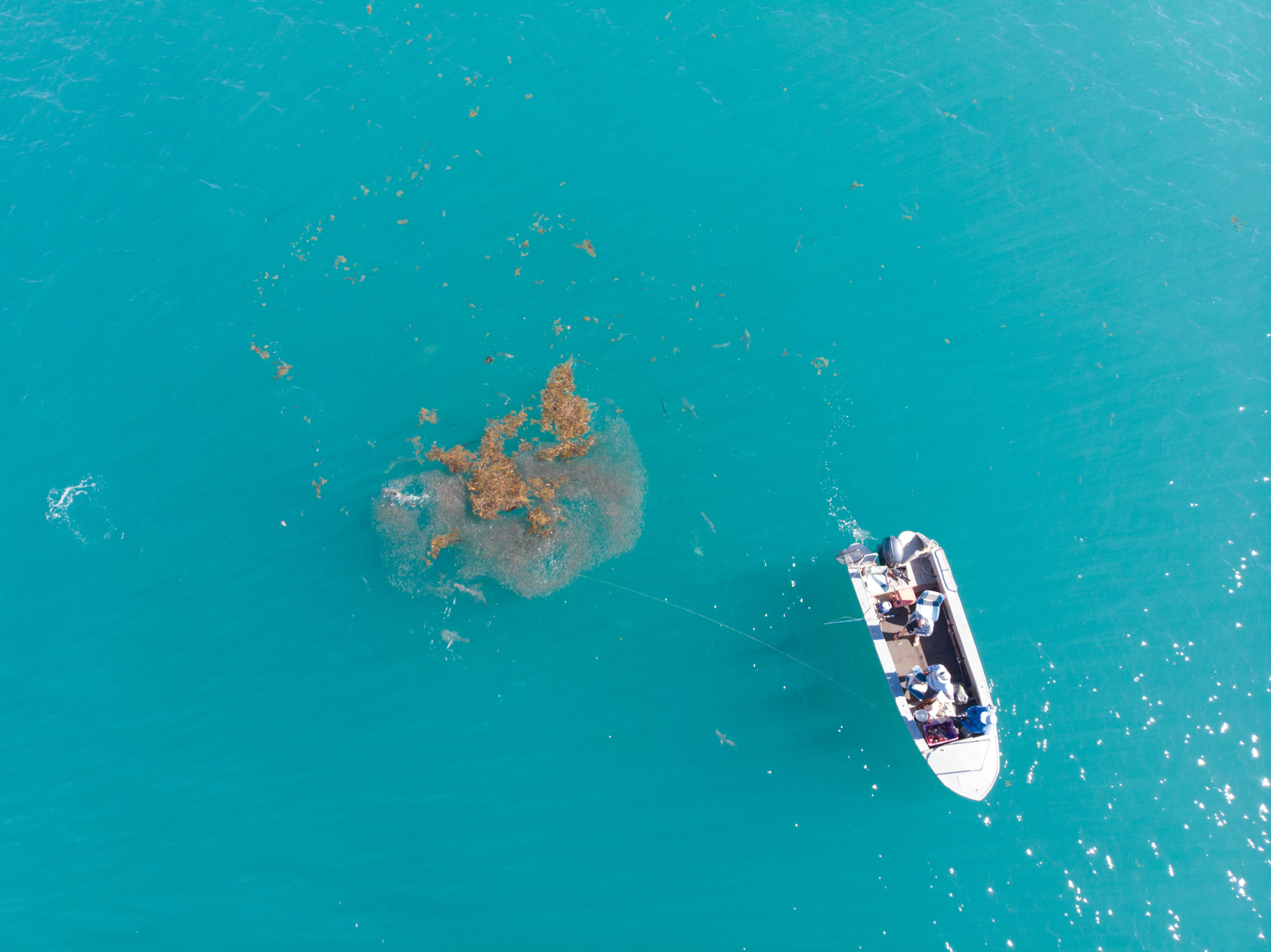
If you want to catch fish, it’s best to remain quiet. Even the biggest and most powerful game fish can be shy. It’s a survival instinct. A big, noisy boat is a danger to a fish. Sure, some fish are less shy than others. In fact, I’ve seen fish attempt to eat a propeller! But for the most part, you’re better off remaining quiet and out of the way of a fish.
To do this, avoid dropping anything or making any sudden sounds or movements in the boat. It also helps if you use a trolling motor. When you approach a fishing spot, drop the trolling motor in the water before cutting your main engine and then approach the spot from a distance. You don’t want to use the main motor and drive up on a likely fishing spot and then deploy the quiet electric motor. Most trolling motors have an anchor feature, which uses GPS technology to help you stay in one spot. Trolling motors also allow you to travel slowly and creep up on fish.
The choice of boat can also affect your quiet approach. It’s fair to say fibreglass is often quieter than aluminium, but that also depends on the hull shape. Even some fibreglass boats can get ‘hull slap’ from waves and ripples depending on the design. It’s difficult to predict which boat is the quietest. Some of the US-built ‘flats boats’ designed for ultra-shallow water are incredibly quiet.
Boat positioning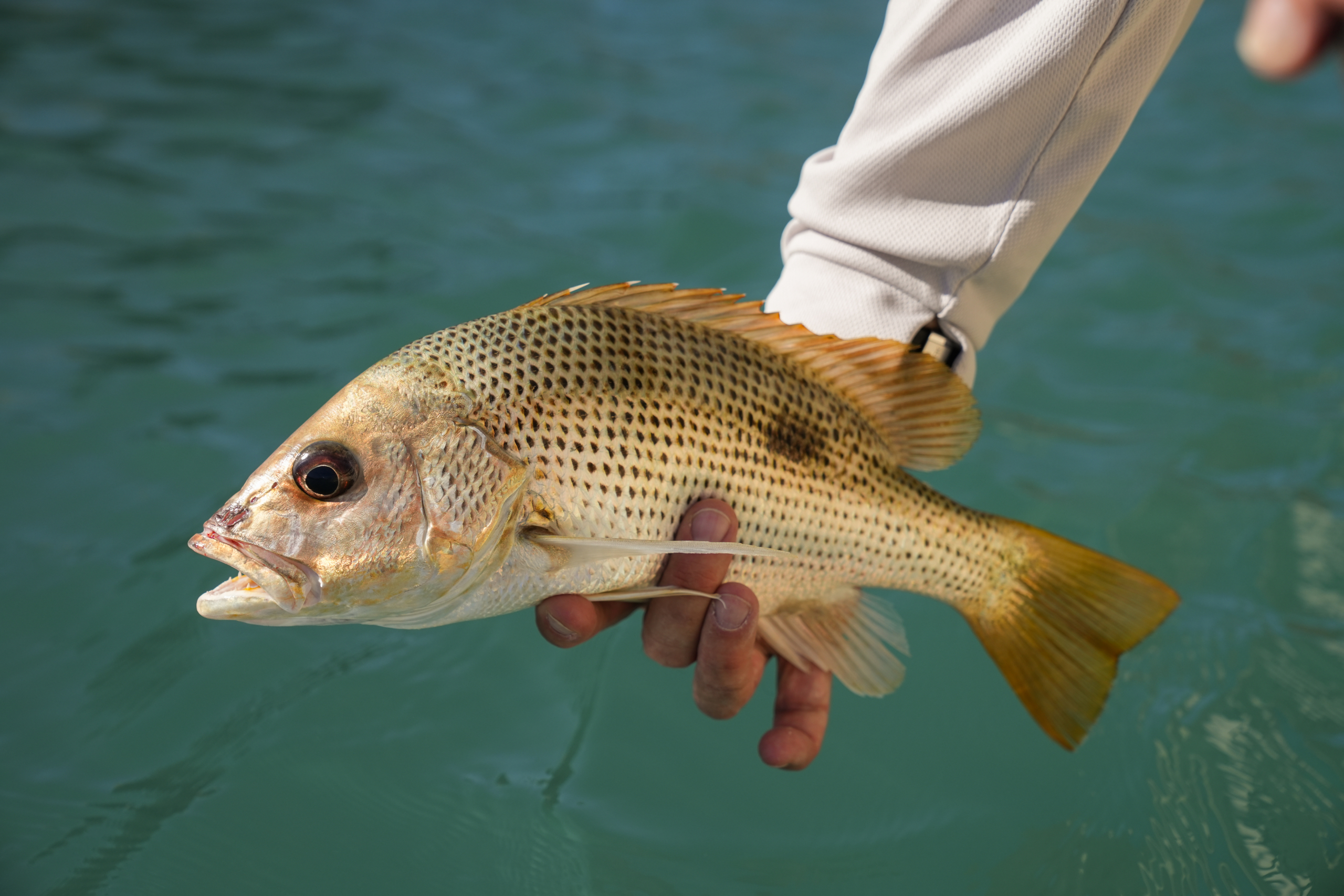
Positioning the boat correctly is essential. Firstly, identify where you think the fish are. Many fish live around structure. That could be a marker buoy, under a sunken log, or on an offshore FAD (Fish Aggregating Device). Do you just drive up to the spot and drop a line over? Of course not. You would literally be driving over the fish. Instead, work with the current and the wind and position the boat away from the target area.
This is also where your fishfinder comes into play. For example, you might find the fish are 10 metres below a FAD. Would you position the boat away from the FAD and cast directly at it and retrieve? No. The lure or bait would only touch the surface – 10 metres above the fish – before it was retrieved.
Instead, you could position the boat further away and cast adjacent to the FAD and allow the lure or bait to sink 10 metres below. To do this you would need to know which direction the current is moving and which direction the wind and current are likely to move the boat. It sounds complicated, but after you do it a few times it becomes simple and you will catch more fish. The same logic applies to many other forms of fishing. Using wind, current and drift, you can place your lure or bait in the correct location to reach a fish.
Another common scenario is approaching active surface fish. Many pelagic species such as Aussie salmon (or kahawai in New Zealand), tailor, kingfish, tuna and more, often feed on the surface. They’re easy to spot because they often have birds flying around and you can usually see the fish boiling or splashing along the surface.
Less experienced fishos often drive straight into the fish and drop a lure or bait overboard. These fish are typically shy and driving a boat over the top of a feeding school will scare them away. Instead, hold back and use the wind and current to cut them off. Watch which way the school is moving and get ahead of them. If it’s safe, cut the motor or sit in idle and watch when the school of fish get closer. It’s far more effective than driving over the fish.
Trolling
Trolling is an effective method for catching fish. Trolling simply means towing your lure behind a boat rather than casting. It’s effective because your lure is constantly in the zone. It’s always in the water and always further away from the boat.
When trolling, there are a few things to remember. Place your lure far enough away from the boat. Too close and the fish will be scared of the motor. Too far and you could have difficulties when turning the boat and potential for tangles. Also be aware that the line won’t turn corners. It will follow the shortest path as you turn your boat. If you have multiple rods trolling and turn around, it can potentially leave you with a big mess!
You can troll with the main motor or with the trolling motor. Given that the lure is far enough behind the boat, you can use the main motor most of the time. However, make sure you don’t troll too fast. Many modern outboards have trolling features that allow you to slow down. That said, you don’t always need to troll slowly. Some offshore fish require faster speeds and some lures allow you to troll at speeds up around 15 knots. This is useful if you’re travelling from spot to spot. Put a lure out the back, troll at 15 knots, and you may pick up a mackerel or wahoo along the way.
Fighting fish
Proper boat handling and positioning is also important after you have hooked a fish. Once hooked, ensure your boat is in a safe position. In estuaries, make sure it’s not in the way of other boats, not too close to shore or in dangerous areas. This is especially important if you’re fishing solo. You will be focused on landing the fish and you may miss signs of danger. If your engine is running, keep the line away from the prop. This also goes for trolling motors. Even engines that are switched off or in neutral can still catch lines with the prop spinning slowly.
If you’re not fishing alone, have the other person in the boat drive the boat and move it parallel to the fish as you fight it. If it runs too far you can follow it, or if it runs underneath the boat, turn the boat to avoid rod breakage or line breakage on the hull. When the fish is ready to land, put the boat out of gear and focus on netting the fish or tagging the fish safely.
The wrap up
Think of your boat and your fishing gear as a team. A big part of your success in catching fish is how you control your boat. It matters before you hook a fish and it matters once you have hooked one. Your skills as a boat driver should match your skills behind a rod. I really hope this article helps you land a few fish this coming season!
Words by Scott Thomas.
For boating news, features and interviews, subscribe to Nautilus Marine Magazine here.