

“Maintaining your boat is essential for safety, performance, and longevity,” says Shaun Quinn, Operations & Project Manager at Gold Coast City Marina & Shipyard (GCCM). “A well-planned refit ensures your vessel stays in top condition and avoids costly surprises later. As Benjamin Franklin wisely said, ‘by failing to prepare, you are preparing to fail’ – this timeless reminder applies perfectly to boat maintenance – preparation is the foundation of success.” We asked Quinn to share his top tips to make your next refit smooth and successful.

- Create the perfect list
When it comes to refits you have two options: manage the refit yourself or engage experienced experts to handle the process for you. At GCCM our experienced Project Management Team will book trades in the right order, at the best prices, and keep everything on track.
If you’re self-managing your refit, start by writing a detailed list of all the work your boat needs. Include everything from hull cleaning and antifoul to engine servicing, electrical checks, and cosmetic upgrades. Organise the tasks in the right sequence – structural work first, then mechanical, then finishing touches like painting. A clear list prevents missed steps and helps trades work efficiently without downtime.
- Contact your trades early
Marine specialists are in high demand. Painters, mechanics, electricians, and composite technicians often book out months ahead. If you’re managing the project yourself, reach out early and confirm availability. At GCCM we have an online marine directory to help our customers find trusted experts onsite. Early contact means you can lock in the right people and avoid delays that push your schedule back.
-
- Call to book your lift
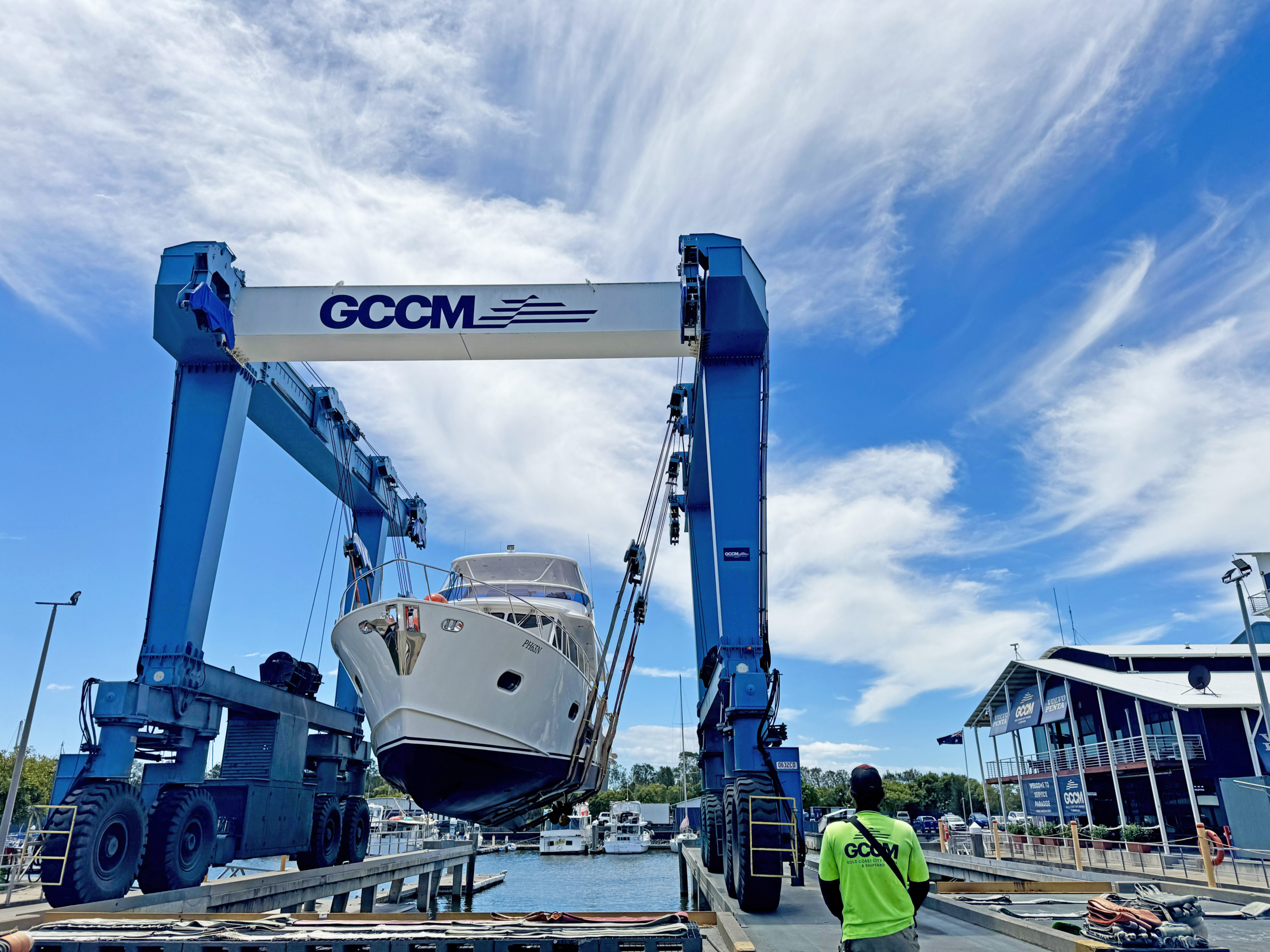
Once your trades are confirmed, secure your lift slot. Booking early ensures your haul-out aligns with your trades’ schedules. A well-timed lift avoids idle time and keeps your project moving smoothly. At GCCM, we have two travel lifts: one for boats up to 50 tonnes and our Big Lift for larger vessels with beams up to 10m.
- Clarity across the project
Before work begins, make sure everyone understands the scope, timeline, and expectations. Share your checklist with all trades and confirm their roles. Clarity avoids confusion and costly mistakes – like a painter arriving before repairs are complete. A clear plan sets the tone for a professional, well-organised refit.
- Communication is key
Regular updates keep your project on track. Whether you’re managing the refit yourself or using an expert project management team, make sure progress reports are shared. If there’s a delay or a change, inform all stakeholders immediately. Good communication prevents bottlenecks and ensures trades can adjust their schedules without disruption.
-
- Collaboration between trades

A successful refit depends on teamwork. At GCCM, our 90 marine businesses are used to working side by side, making collaboration easier. Encourage trades to coordinate – mechanics and electricians often need to work together, and painters rely on repairs being finished first. When everyone works in sync, your project runs faster and smoother.
- Consistency in quality
Check that each stage meets your standards before moving on. For example, confirm structural repairs are complete before painting begins. Consistency avoids rework and protects your investment. If you’re unsure, an expert project management team can help oversee quality control and ensure every job aligns with your goals.
- Control costs and compliance
Budget blowouts and compliance issues can derail a refit. Keep track of costs and make sure all trades meet safety requirements. If you’ve engaged a project management team to manage your refit they will handle WHS compliance, licencing, and invoicing, giving you peace of mind. Staying in control means fewer surprises and a safer work environment.
- Change management
Unexpected issues happen – hidden corrosion, damaged fittings, or parts that need replacing. When changes arise, act quickly and adjust your plan. At GCCM, having all trades on-site means you can bring in specialists without delay. Effective change management keeps your project moving and avoids costly downtime.
- Closure done right
When the work is complete, don’t rush back into the water. Walk through the boat with your project manager or trades and check every detail. Make sure all tasks are finished, certifications are signed off, and warranties are documented. A proper closure ensures your boat is ready for the season and gives you confidence in the work done.
The wrap up
A successful refit starts with preparation and ends with attention to detail. By following these top 10 tips you’ll save time, reduce stress, and protect your investment.
Visit gccm.com.au
For boating news, features and interviews, subscribe to Nautilus Marine Magazine here.