
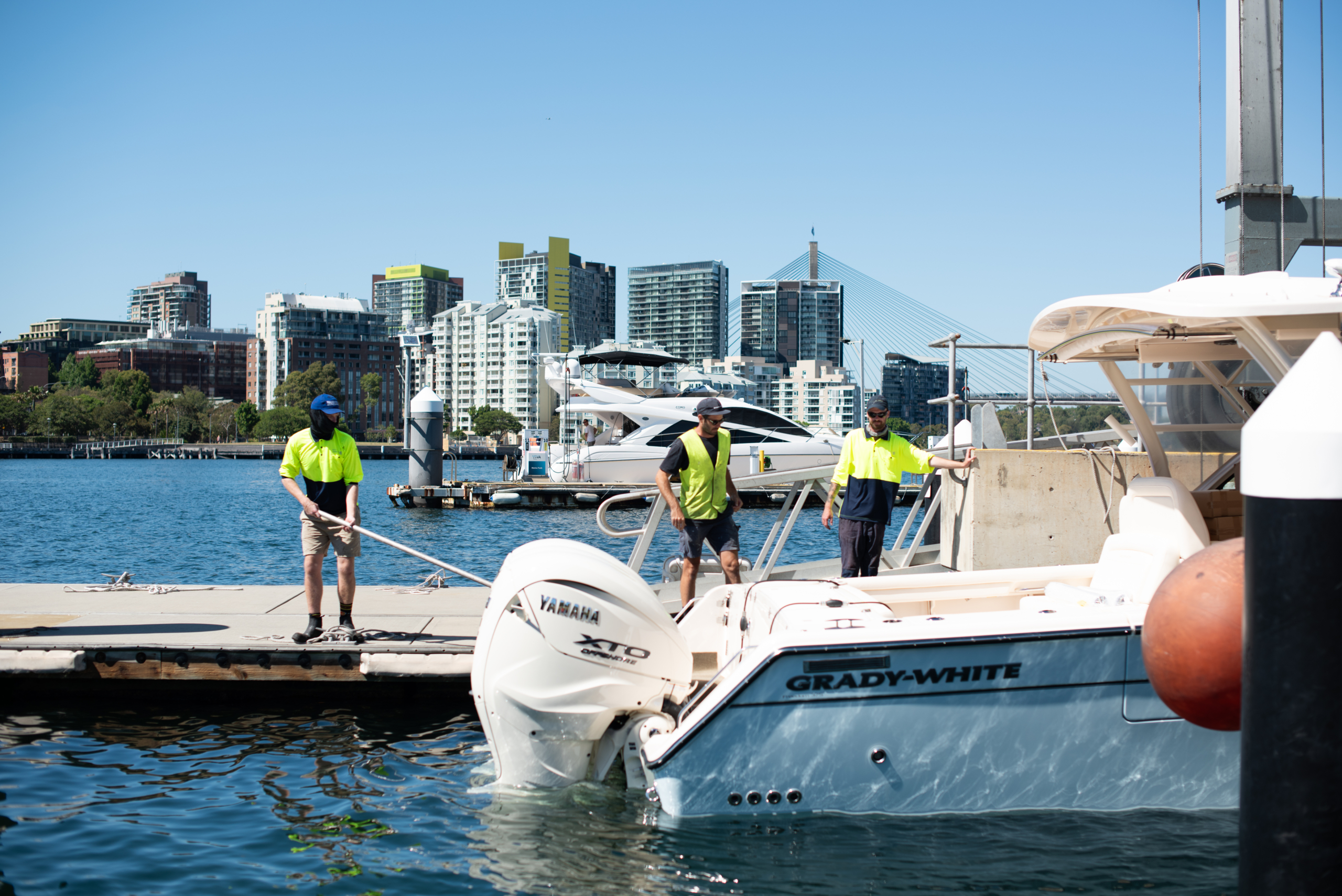
Maintenance is an important part of responsible boat ownership, but stress and uncertainty don’t have to be. Finding the right boatyard for you can simplify boat ownership and make time on the water more reliable and enjoyable.
“Boat ownership is shaped as much by where you maintain your boat as how you use it,” says Lorraine Yates, General Manager of White Bay 6 Marine Park, a multi-award-winning marine service facility with direct access to Sydney Harbour. “Our role is to provide the right facilities, access, and expert advice so owners can make informed decisions with the marine specialists they choose.” We asked Yates to share some expert insights into boatyard selection and boat maintenance services.
A practical environment for owners
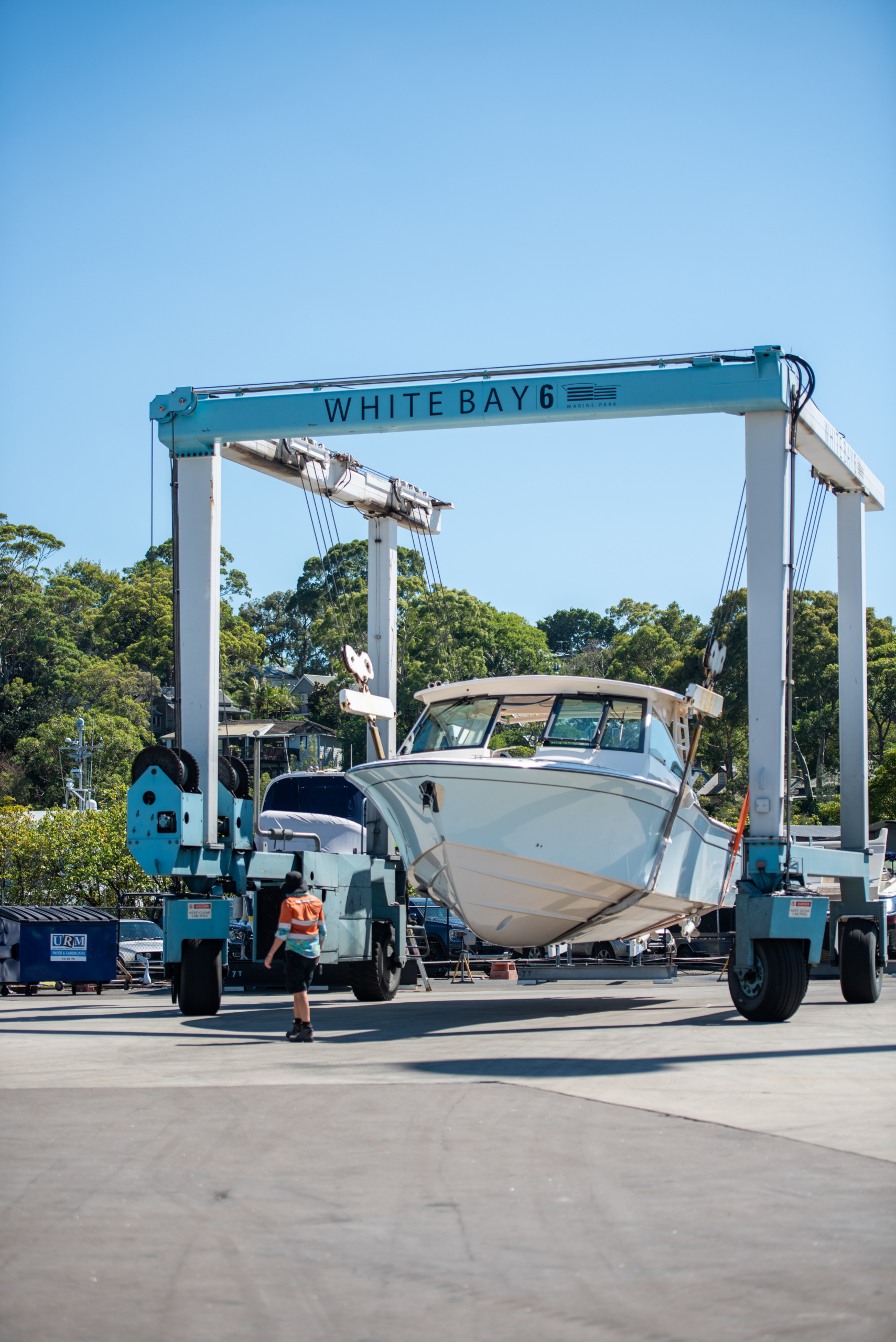
A practical marine environment is key to boatyard selection and is defined by the details that make maintenance simpler, safer, and less time-consuming for boat owners. “Factors such as safe deep-water access, easy truck entry for deliveries and haulage, convenient parking, and well-designed amenities all contribute to reducing friction during maintenance visits,” says Yates. “Clear access routes and efficient yard layouts allow owners, crews, and marine trades to move around the facility safely and confidently, even during busy periods.”
An often-overlooked but critical part of this environment is the customer service function. For many boat owners, the first interaction with a marine facility sets the tone for the entire experience. “Having knowledgeable, approachable staff who understand boats, facilities, and maintenance processes helps owners clarify priorities, ask the right questions, and feel confident about the work being undertaken,” says Yates. “Our Marine Service Advisors at White Bay 6 are there to support owners with clear information and practical guidance. When owners feel informed and supported from their first enquiry, the whole maintenance process becomes more straightforward and far less stressful.”
The value of secure storage
Storing your vessel within a dry storage stacker at a boatyard can help protect boats from sun, salt, and weather, reduce wear and simplify maintenance schedules. With minimal owner effort and handling, boats can move efficiently between storage, servicing, and launching. “Good storage is a key part of responsible boat ownership,” says Yates. “It keeps your vessel safe, accessible, and ready for use while reducing maintenance pressures.” White Bay 6 Marine Park houses Sydney Harbour Boat Storage, providing secure and flexible storage options and deep-water access for a wide range of vessels.
Antifouling advice: roll or spray and why it matters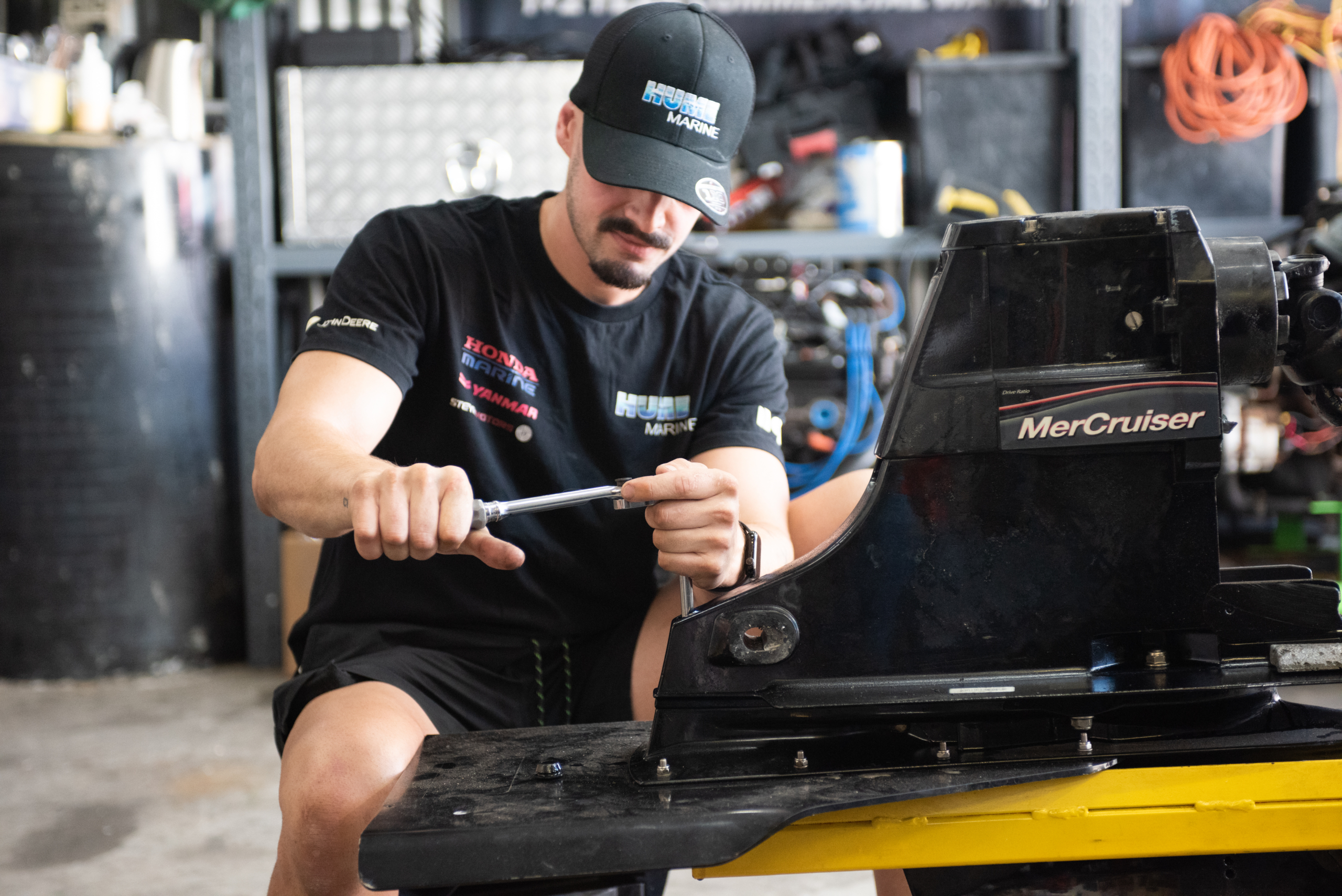
Antifouling is one of the most fundamental aspects of boat maintenance, yet it is also one of the most misunderstood. The primary role of antifouling is to prevent marine growth on the hull, which directly affects performance, fuel efficiency, handling, and long-term hull condition. At White Bay 6 Marine Park, both roll and spray antifouling applications are carried out, and the choice between them depends on how the boat is used. “Choosing the right antifoul isn’t just about the method, it’s about understanding the lifestyle and use of the boat,” says Yates. “A properly applied system preserves performance and hull integrity for years to come.”
Roll-on antifoul is often preferred for cruising yachts because it is thicker and more durable, offering protection in harbours, moorings, and occasional offshore passages. Spray systems, on the other hand, allow for more uniform application, smoother finishes, and are ideal for racing boats where every knot of speed counts.
Proper hull preparation, cleaning, and inspection are essential. White Bay 6 advises owners to schedule regular inspections, wipe away early growth, and apply antifouling when the previous coat is still sound. This prevents costly overhauls and ensures that the paint adheres correctly, maintaining hydrodynamic efficiency.
Detailing: more than just appearances

Detailing goes beyond aesthetics; it is preventative maintenance that protects a vessel and ensures it retains value. Regular washing, polishing, and interior cleaning reduce the impact of salt, UV exposure, and grime, which can degrade gelcoat, paint, metals, and soft furnishings. Detailing also provides the opportunity to identify corrosion, leaks, and small structural issues early. “Detailing is about looking after the boat so it performs and looks its best,” says Yates. “A careful inspection while cleaning often catches minor issues before they become serious.”
White Bay 6 recommends routine detailing, especially after summer cruising or periods of heavy use, to maintain finish quality and prevent long-term wear. Attention to minor scratches, metal oxidation, and teak care preserves the vessel’s overall integrity and appearance.
Engine and mechanical systems: reliability equals safety
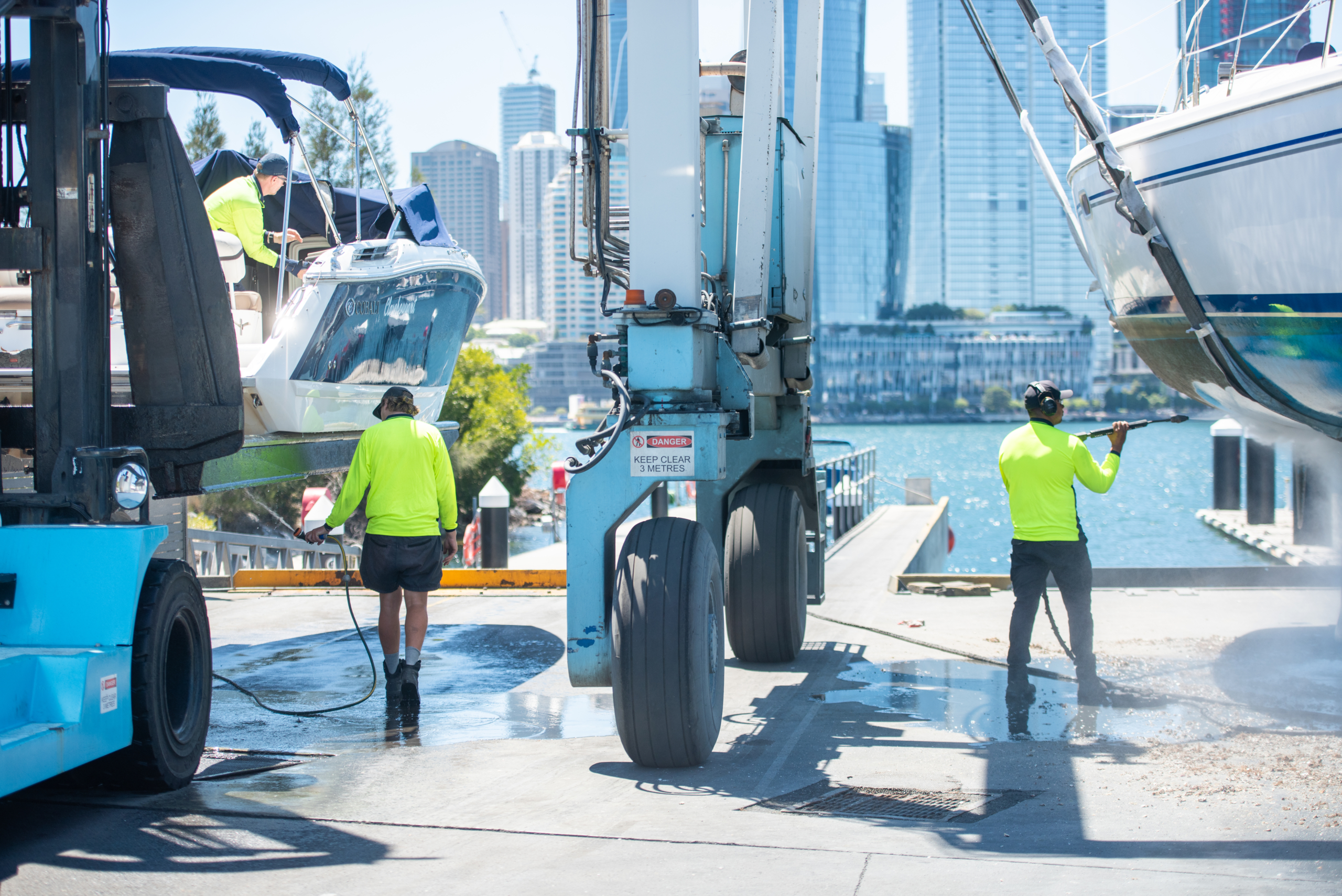
Mechanical systems are the backbone of any vessel, whether a powerboat relying on engines or a sailing yacht with auxiliary propulsion. Regular servicing of engines, gearboxes, saildrives, and fuel systems reduces the risk of breakdowns and extends equipment life. “Consistent servicing gives owners confidence their vessel will operate smoothly whenever it’s needed,” Yates notes. “Preventative maintenance is about reliability and peace of mind.”
White Bay 6 Marine Park tenants include experienced marine mechanics who perform the full range of oil changes, compression checks, belt replacements, diagnostics, and also required engine repairs, rebuilds, or replacements. Owners are advised to maintain logbooks, follow manufacturer service intervals, and schedule inspections before major trips or seasonal usage. Routine mechanical maintenance also includes checking cooling systems, impellers, exhaust systems, and fuel lines. These often-overlooked items directly affect safety and performance and addressing them early reduces downtime and unexpected costs.
Electrical systems: the nervous system of your boat
Electrical systems control everything from navigation lights to communication equipment. Faulty wiring, corroded terminals, or aging batteries can lead to malfunctions or safety hazards. “Keeping electrical systems in top condition isn’t just technical, it’s about safety and usability,” Yates explains. “We encourage regular checks so small issues don’t turn into operational problems.”
White Bay 6 suggests annual battery inspections, load testing, and verification of wiring and connections. For boats with extensive electronics, preventive maintenance also includes reviewing system integration, backups, and emergency power systems to ensure reliability under all conditions.
Hydraulics: often overlooked but critical
Hydraulic systems, used for steering, winches, or keel control, are vital for vessel handling. Leaks, low fluid, or worn seals can cause performance issues or compromise safety. “Hydraulic systems should be checked routinely,” Yates advises. “Attention to hoses, seals, and fluid condition keeps everything functioning smoothly under load.” Proper inspection and maintenance of hydraulic systems prolongs component life, prevents failures during operation, and ensures consistent control in both cruising and competitive situations.
Rigging: safety before performance
Standing and running rigging support sails and structure. Even minor wear or corrosion can pose serious safety risks. “Regular inspections of rigging prevents surprises and help crews feel secure,” says Yates. “Knowing your rig is sound makes sailing safer and more enjoyable.”
Inspection should include turnbuckles, shrouds, spreaders, and chainplates, checking for wear, corrosion, or fatigue. Professional rigging specialists can identify subtle signs of tension imbalance, material fatigue, or hidden damage that may not be visible to the untrained eye.
Trimming: comfort, protection, and longevity
Marine trimming enhances comfort while protecting interior and deck materials. Canvas covers, clears, cushions, and upholstery shield the boat from UV, rain, and wear. “Good trimming isn’t just about looks, it protects your investment and makes time on board more comfortable,” Yates says.
Regular assessment of trims and cushions ensures correct fit, prevents moisture buildup, and prolongs lifespan. Well-maintained trimming also contributes to safety, ensuring visibility, grip, and functionality remain optimal.
Shipwright services: maintaining structural integrity
“Addressing any issues promptly preserves the boat’s strength and appearance,” Yates explains. “Early attention by a qualified shipwright keeps repairs manageable and ensures long-term durability.” Shipwright work at White Bay 6 focuses on maintenance and repairs. Timber, composite, and structural fittings require careful attention to prevent deterioration and maintain safety. Regular inspections of decks, bulkheads, and joints, along with preventative care, help owners avoid costly future repairs and ensure that their boat remains seaworthy.
Visit whitebay6.com.au
For boating news, features and interviews, subscribe to Nautilus Marine Magazine here.