
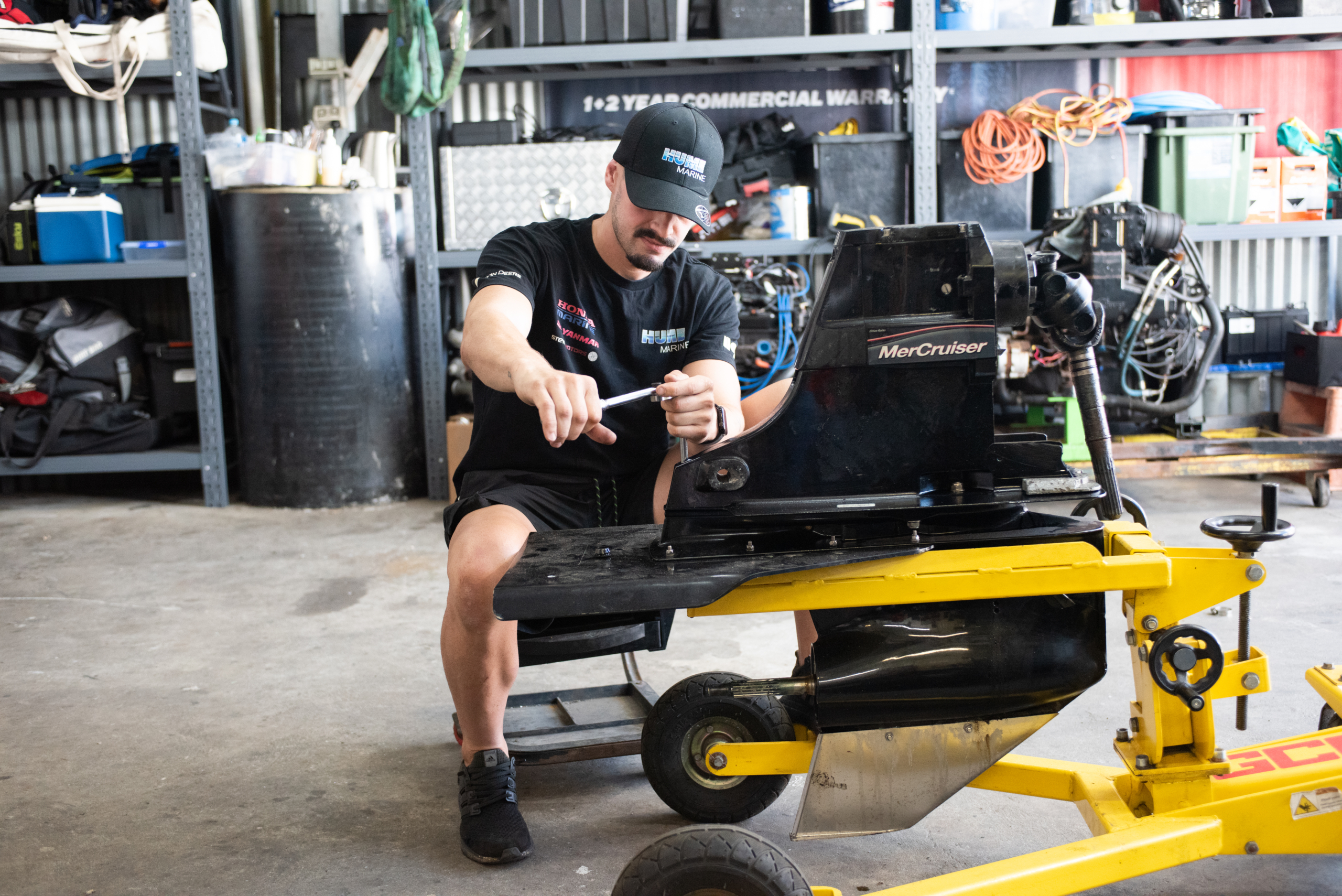
With peak boating season coming to an end, it’s time to start thinking about what we will do with our vessels over the cooler months. Vessel owners should remember that the marine environment is hostile towards your craft. Basically, everything about it is trying to destroy your pride and joy – from salt water and acidic environments through to the impacts of the sun’s UV rays on all surfaces, covers, upholstery and similar items. So, as we approach the boating off‑season, now is a great time to undertake appropriate maintenance of your vessel and trailer. Here’s a brief guide to some key maintenance areas.
Book service work early
Service suppliers don’t have unlimited personnel, so advanced planning helps avoid disappointment. Be mindful that if parts are required, ongoing global supply‑chain delays may affect availability. Allowing plenty of time reduces the likelihood of delays.
Schedule maintenance in line with manufacturer specifications
Different engines and driveline components vary significantly in their service intervals and inspection requirements. Components such as coolers, hoses, raw‑water systems, pumps and impellers, fuel‑system items and closed‑coolant systems may require inspection or servicing at intervals shorter than expected. For example, I’ve recently seen cases where a raw‑water hose appears externally malleable and serviceable, yet internal abrasion and salt‑crystal build‑up cause failure. This highlights the importance of proper inspection rather than relying on external appearance.
Storage location
Those fortunate enough to have an enclosed garage storage generally have little to worry about, with their trailer boat safely tucked away from the elements. However, inside storage isn’t an option for many trailer boat owners whose vessels will remain outside during winter.
Avoid parking your craft under trees or foliage that shed leaves. Professional covers are not cheap, and no one wants staining or damage caused by decaying leaves. We have also seen boats crushed by fallen branches during winter storms. Choose an open, sunny storage location where possible, as this helps prevent mould and algae growth.
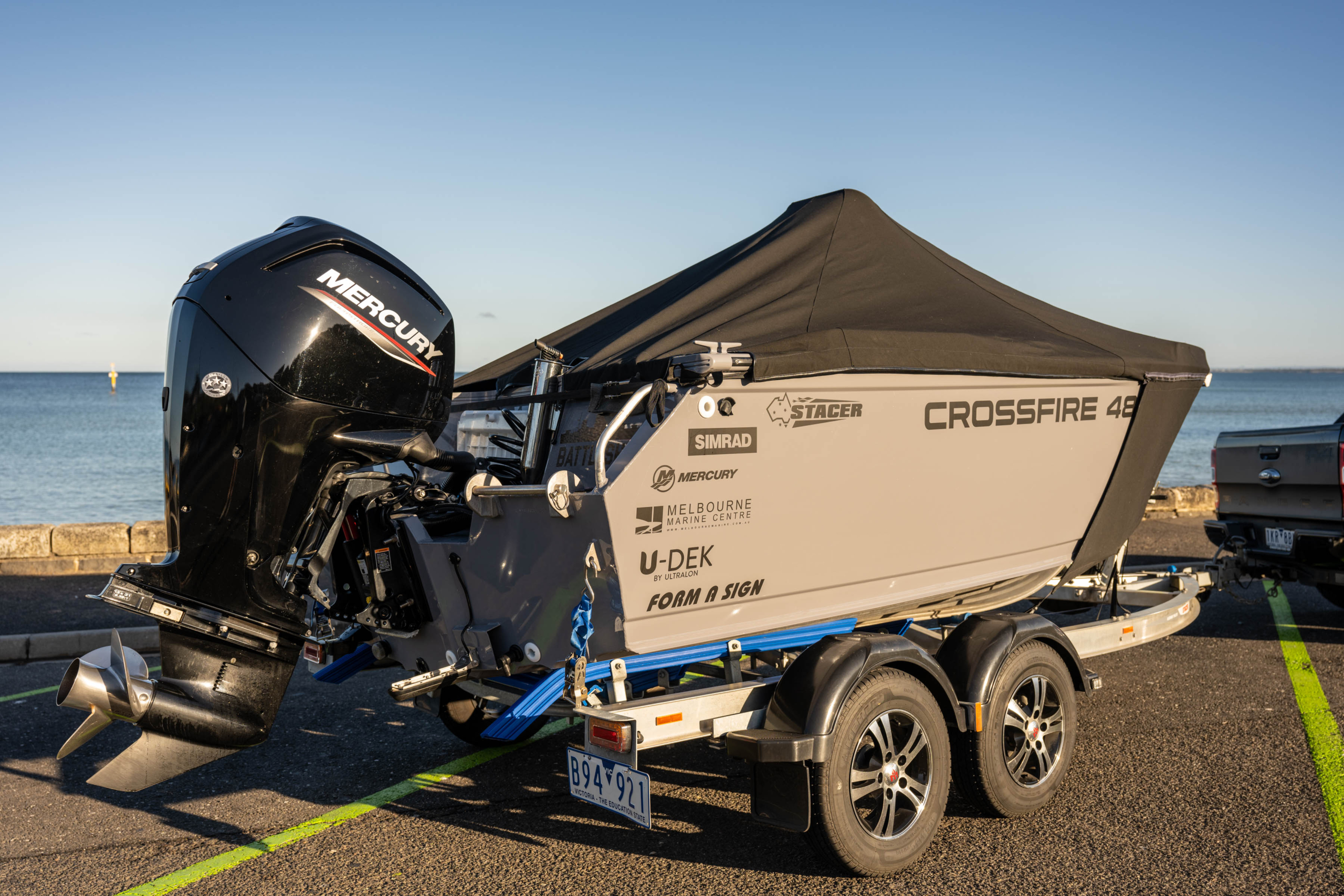
Invest in a suitable waterproof boat cover
When purchasing a cover, ensure it fits correctly and does not have large sagging areas where water can collect. Consider creating a high point using a pole with a soft pad to promote runoff. There are various designs and protection levels available, so speak with local suppliers to determine the best option for your vessel.
When storing the vessel, keep the bow slightly elevated so any water that enters can drain to the stern and exit the craft.
Remove the bung
We regularly see cases where the bung has been carefully fitted but not removed after use. Many inboard engines have been written off due to the vessel filling with water and becoming submerged. When removing the bung, consider attaching it to your steering wheel so it’s not misplaced and is visible before your next outing.
Regularly check the craft over winter
Rodents and other pests may look to use your vessel as a warm, dry habitat, therefore regular checking and strategic placement of baits or traps is recommended. Periodic checks also ensure covers remain secure, noting heavy rain and strong winter winds can dislodge them. Even with the bung removed, ensure drains remain clear of debris. I’ve seen many issues resulting from leaf or bilge debris blocking discharge holes.
Use a dehumidifier
If practical and electrically safe, consider placing a dehumidifier in the craft to keep the interior dry. This protects fabrics and furnishings and reduces corrosion of electronics and terminals caused by constant dampness.
Internal equipment
Cover your dashboard and use manufacturers’ electronics screens, as sunlight and heat can fade and damage LCD displays. Regardless of whether your vessel is stored indoors or outdoors, consider removing loose internal equipment and carpets over winter – either for the entire period or periodically.
This allows areas of the vessel to fully dry and provides an opportunity to steam‑clean carpets. A dehumidifier is invaluable here as well. Preparing for winter is also a good reminder to check the condition and expiry dates of equipment such as fire extinguishers, life jackets, buoyancy aids, lines, water toys, flares and similar items.
Fishing gear
Fishing equipment can be stolen from stored vessels – such gear is portable and attractive to thieves. Removing all fishing equipment eliminates this risk. It is also a good time to have your reels serviced for next season. A winter stocktake is also an excellent excuse to visit your local fishing retailer for those must‑haves.
Trailer
The cooler months are an ideal time to maintain your trailer. Have your service agent inspect the chassis, axles, U‑bolts, couplings, duro‑torques, wheel bearings, brake systems and similar components.
Hull coatings
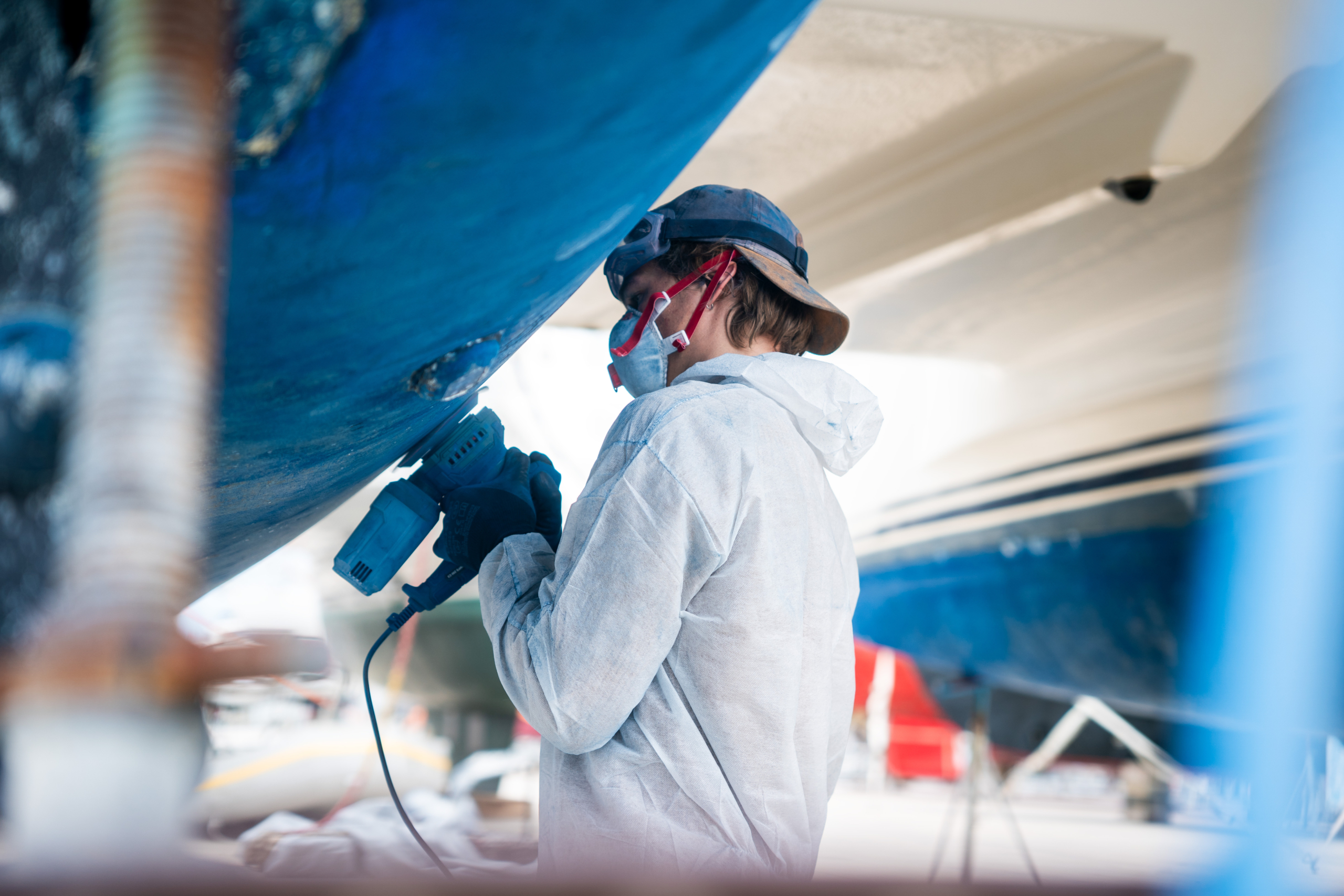
Not only does this keep your investment in top condition, but regular detailing also allows a build‑up of polish on the hull surface, which helps prevent the adhesion of mould or algae. We recommend speaking with local marine paint specialists, as suitable products vary significantly from automotive options. If time is limited, consider using a professional detailer.
Remember: the better we maintain our vessels and their systems, the safer our on‑water experiences will be.