
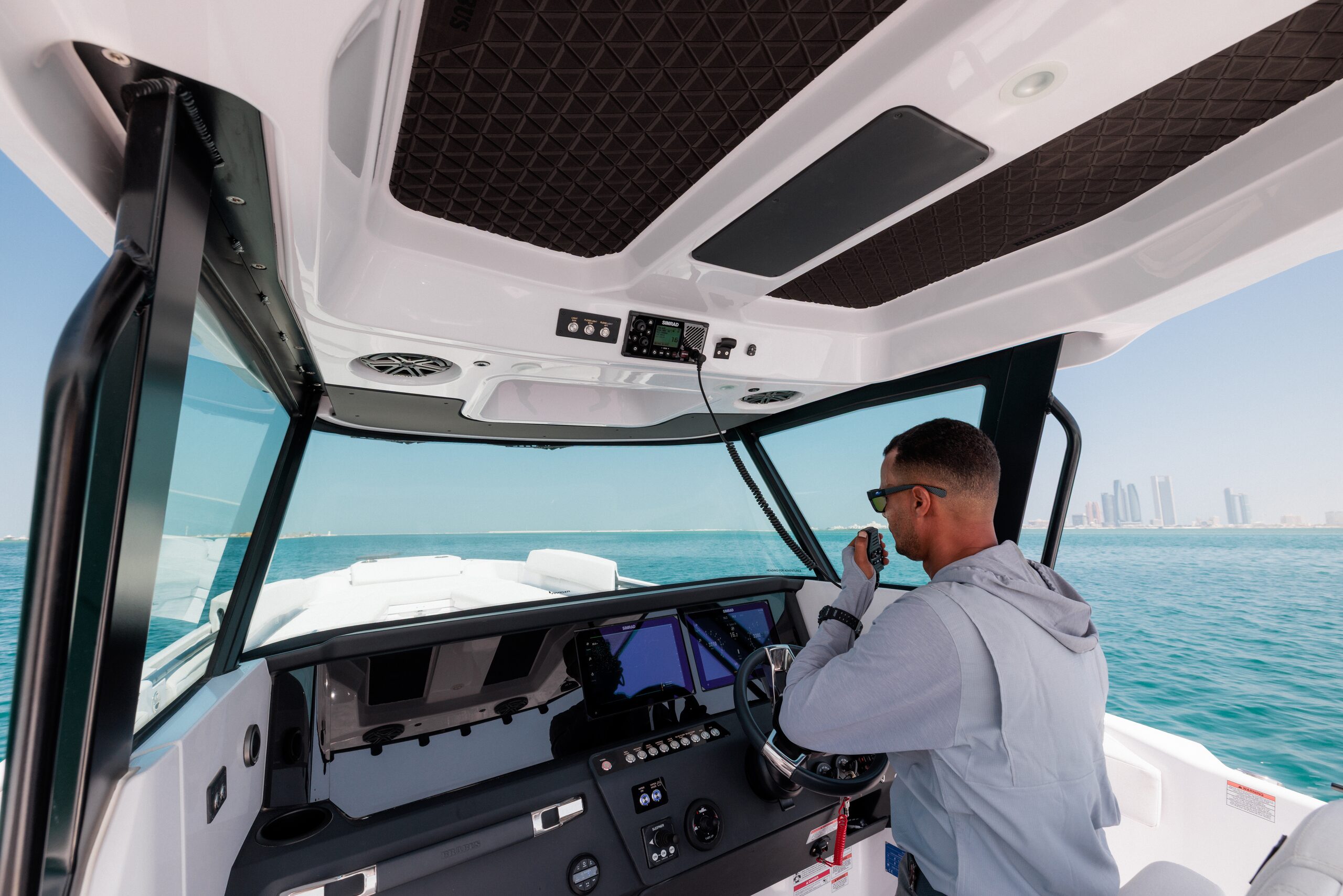
Two boating safety experts share some key advice to help you stay safe on the water this boating season.
Dan Duemmer, Deputy Commissioner, Marine Rescue NSW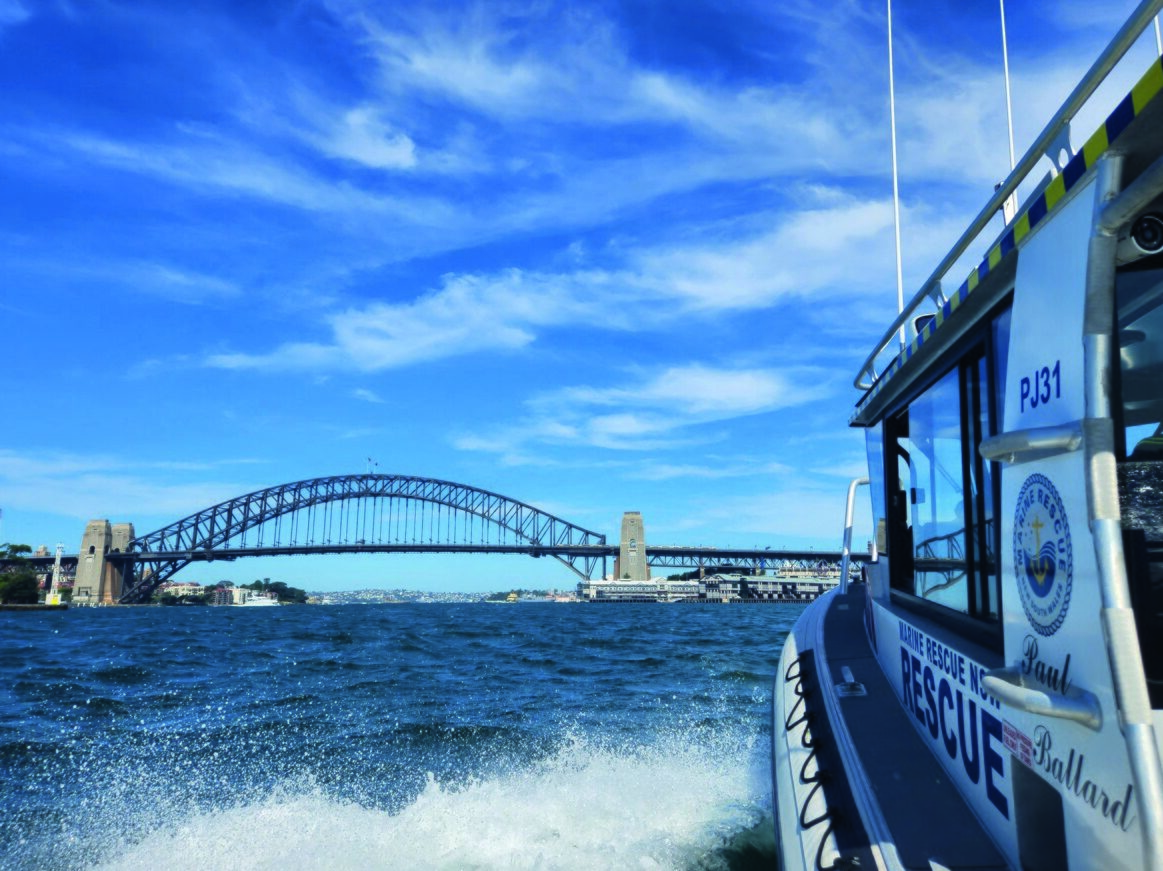
Spring is here and our minds are set towards the warmer weather and upcoming boating season. However, our beautiful waterways can get busy and without the right preparation and understanding of the local area, boating can become overwhelming and stressful. It is important to consider the area in which you will be boating before you head out, particularly when boating on a waterway like Sydney Harbour, which is the busiest waterway for recreational and commercial vessel traffic in the Southern Hemisphere.
To give yourself the best chance of enjoying your day out on the water, here are some key things to consider:
- Always maintain a proper lookout. Continuously scan ahead, behind and to both sides for vessels, swimmers, buoys and other hazards. Get your passengers to assist, too.
- Know the navigation rules. Understand right-of-way, crossing, overtaking and head-on situations, and follow local maritime regulations. Some waterways have local rules that you need to understand. Most of these local waterway rules (speed limits, anchoring restrictions, no-wash zones, etc.) can be found online via government boating maps or similar resources.
- Stay visible. Make sure you use navigation lights in low visibility or at night, display required signals, and avoid lingering in busy thoroughfares and navigational channels. Be aware of the blind spots of larger vessels, including ferries, ships and other commercial vessels.
- Keep a safe distance from large ships. Ships generally have limited visibility, restricted manoeuvrability and large stopping distances. So, the key is to keep well clear.
- Control your speed. Travel at a speed that allows you to identify hazards and stop or manoeuvre safely, particularly near busy navigation channels.
- Most importantly, never assume a larger vessel has seen you or can get out of your way. In heavy traffic, early, obvious and predictable manoeuvres are generally safest. Keep your wits about you and understand your current situation at all times.
Storm Eastley, Senior Recreational Boating Safety Officer, Marine and Safety Tasmania (MAST)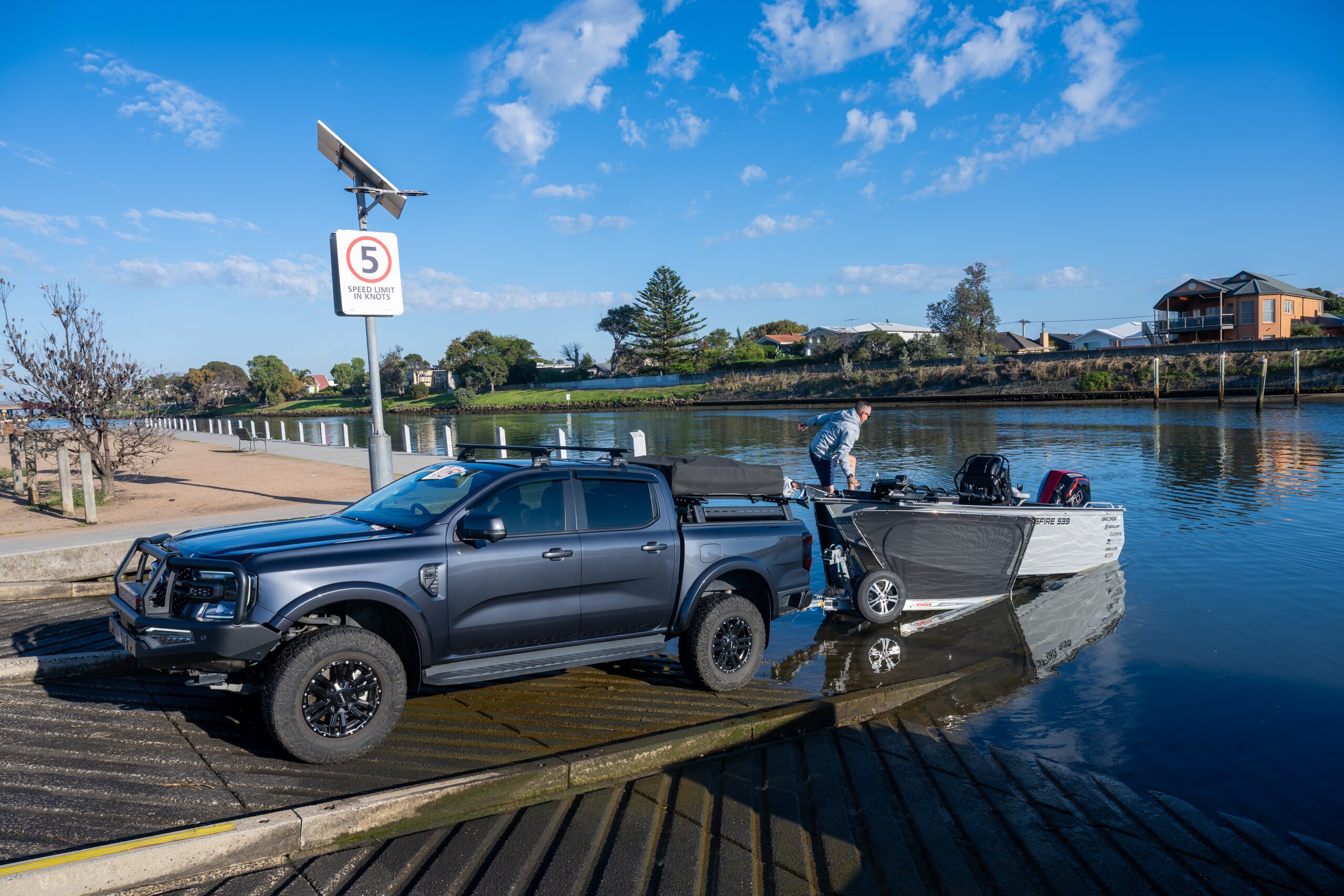
Peak boating season means more people, more boats and more activity on Australia’s waterways. Whether you’re heading out for a day of fishing, towing the kids on a biscuit or simply enjoying a cruise, a few simple habits can help keep your day on the water safe and enjoyable.
- A good day on the water starts before you leave home.
Before you leave home, run through the basics. This includes checking the weather forecast, making sure you have enough fuel and checking your boat and safety equipment. Make sure life jackets are maintained in good condition, and all required safety gear is present, accessible and ready to use. Heading somewhere unfamiliar? Have a plan and know what you’ll do if conditions change.
- Peak season means busy ramps. Be prepared to wait.
A busy boat ramp can be stressful, but rushing may lead to mistakes. Give other boaters some space, keep your cool and don’t let frustration impact your day. Over the peak boating season, particularly over a sunny weekend, it’s almost guaranteed boat ramps will be busy or at least busier than normal. You might encounter queues, with some boaters taking a little longer to launch. Please be patient as they may be new to boating, and remember everyone was a beginner once. To help avoid congestion, prepare your boat and gear away from the ramp. By doing this, you will be ready to launch your boat immediately when it’s your turn. Once you’re on the water, move your vehicle and trailer clear of the ramp promptly. At the end of your day on the water, when retrieving your boat, continue to be organised and considerate. Planning ahead and showing consideration for others helps keep boat ramps safe, efficient and enjoyable for everyone.
- There can be a lot happening on the water during spring and summer.
Boats, personal watercraft (PWCs), water skiers, kayakers, paddleboarders, swimmers and other waterway users are often operating near each other. All users must be aware of their surroundings and keep a proper lookout. A proper lookout means actively monitoring what is happening around you, your vessel and the surrounding area. You must be aware of other vessels, people in the water, navigation hazards and changing conditions, and be prepared to act if necessary. Before heading out on the water, take the time to remind yourself about collision avoidance and give-way rules. Knowing when you are required to give way and understanding when another vessel should give way to you gives everyone the best opportunity to avoid a crash. Never assume another skipper has seen you, understands your intentions or will give way. You are responsible for maintaining a proper lookout and operating your vessel safely.
- Slow down. You’ll have more time to see a problem and react to it.
Always respect the required speed limits, particularly around ramps, jetties, marinas, swimmers and other busy areas. Being outside a designated speed-restricted area doesn’t mean you can travel as fast as possible. Your speed should always be appropriate for the conditions, visibility, traffic, location and your ability. Operating with a little less speed means a little more time to react if you need to. Travelling slower also helps reduce your wash and the impact it can have on other people, vessels and, in some cases, the surrounding waterway.
- Always keep an ear on Channel 16 when you’re on the water.
A VHF radio is one of the most useful pieces of safety equipment on board, particularly when you’re operating in areas where mobile phone coverage can be unreliable or non-existent. Make sure you know how to use your radio before you need it. Keep it accessible, switched on and set to the appropriate volume so you can hear calls while underway. Channel 16 is the international distress, safety and calling channel, so keep non-essential conversations off it and move to another working channel when appropriate. Monitoring VHF Channel 16 means you will hear important safety broadcasts and calls for assistance, and other vessels can contact you if necessary. Peak season is a great time to get out on Australia’s inland and coastal waterways, but more people and more vessels mean there is less room for error. A few simple habits can make a big difference. Know the rules, be prepared and know your vessel, be patient, keep a lookout and stay alert, observe speed limits and monitor VHF Channel 16.