
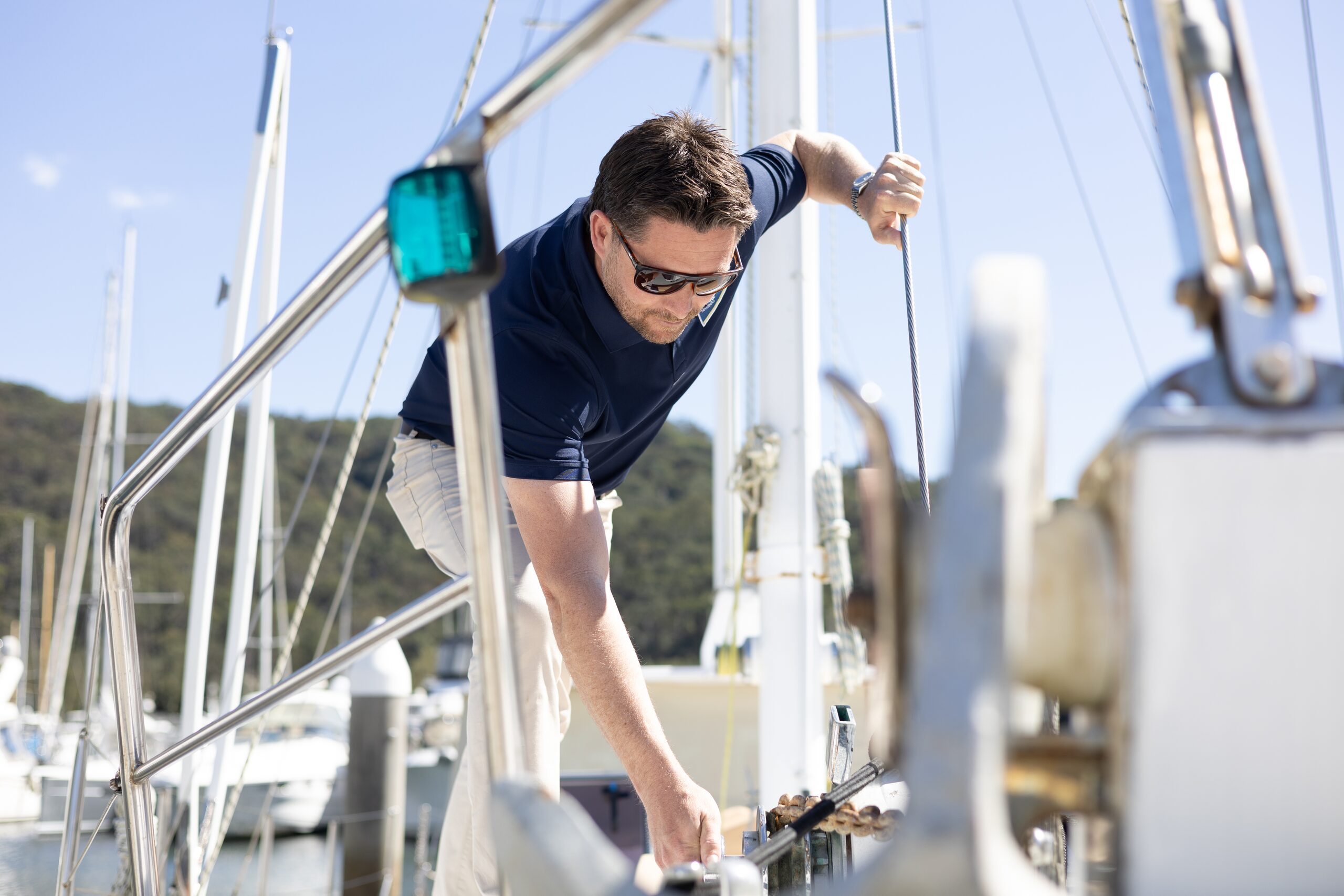
Jordy Rowell, General Manager of Empire Marina Bobbin Head, shares some expert advice about moored vessel maintenance.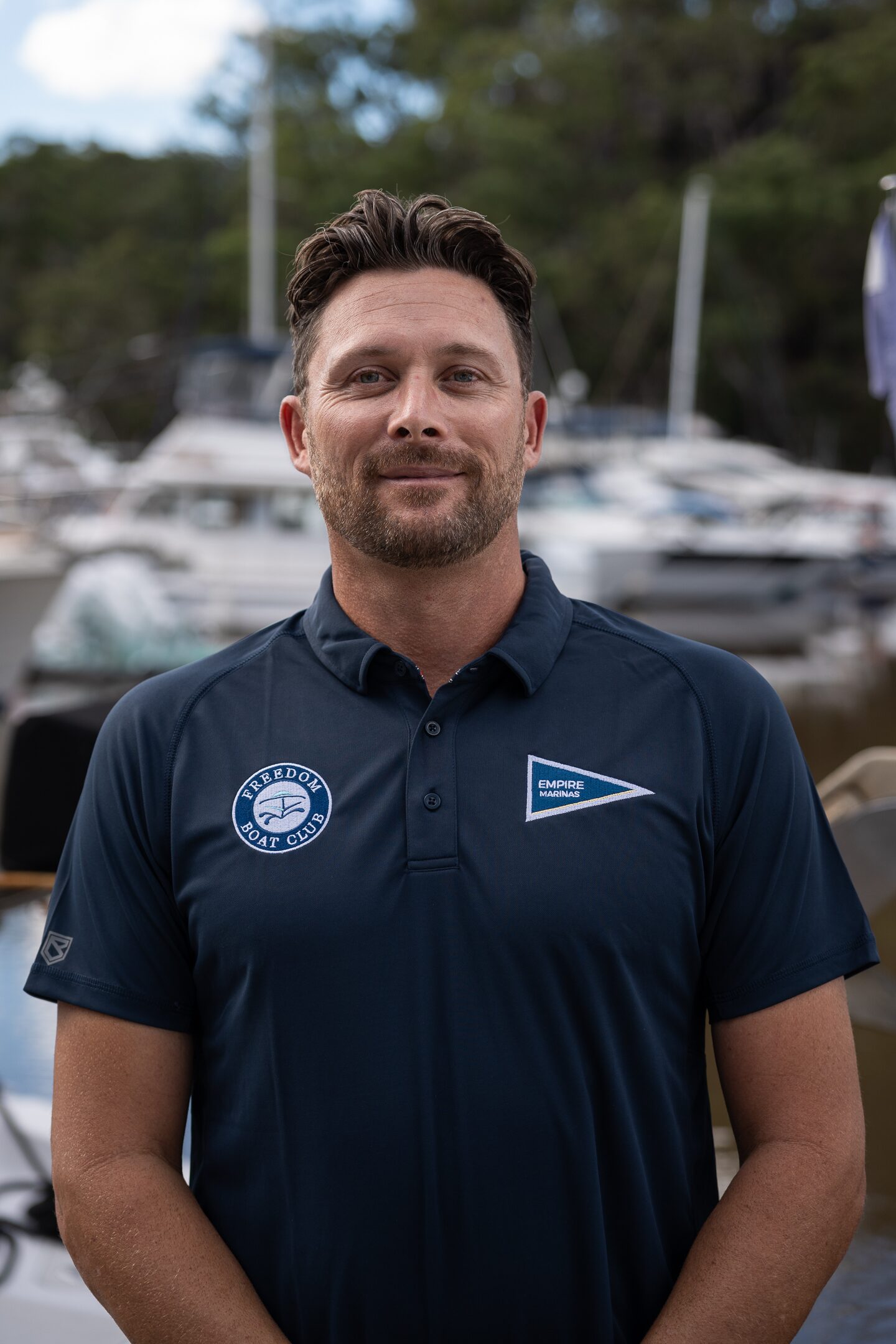
For many owners, lifting their boat out of the water can feel disruptive, expensive and uncertain. However, with the right planning and the right boatyard, an annual haul-out should be one of the most valuable parts of the boating calendar. Located within the sheltered waters of Ku-ring-gai Chase National Park on Sydney’s North Shore, Empire Marina Bobbin Head combines a full-service boatyard with a 200-berth marina, experienced staff, trusted marine contractors, fuel, secure parking and an on-site licensed bistro. General Manager Jordy Rowell believes the best boatyard experience starts well before the vessel reaches the lifting bay. “A haul-out should never be treated as simply lifting the boat, applying antifoul and putting it back in the water,” says Rowell. “It is the best opportunity an owner has to properly inspect the parts of the vessel that cannot normally be seen. When the process is planned properly, several important maintenance items can be completed during the same lift. That can save the owner time, reduce costs and provide greater confidence when the boat returns to the water.”
Here are Rowell’s top 10 haul-out tips: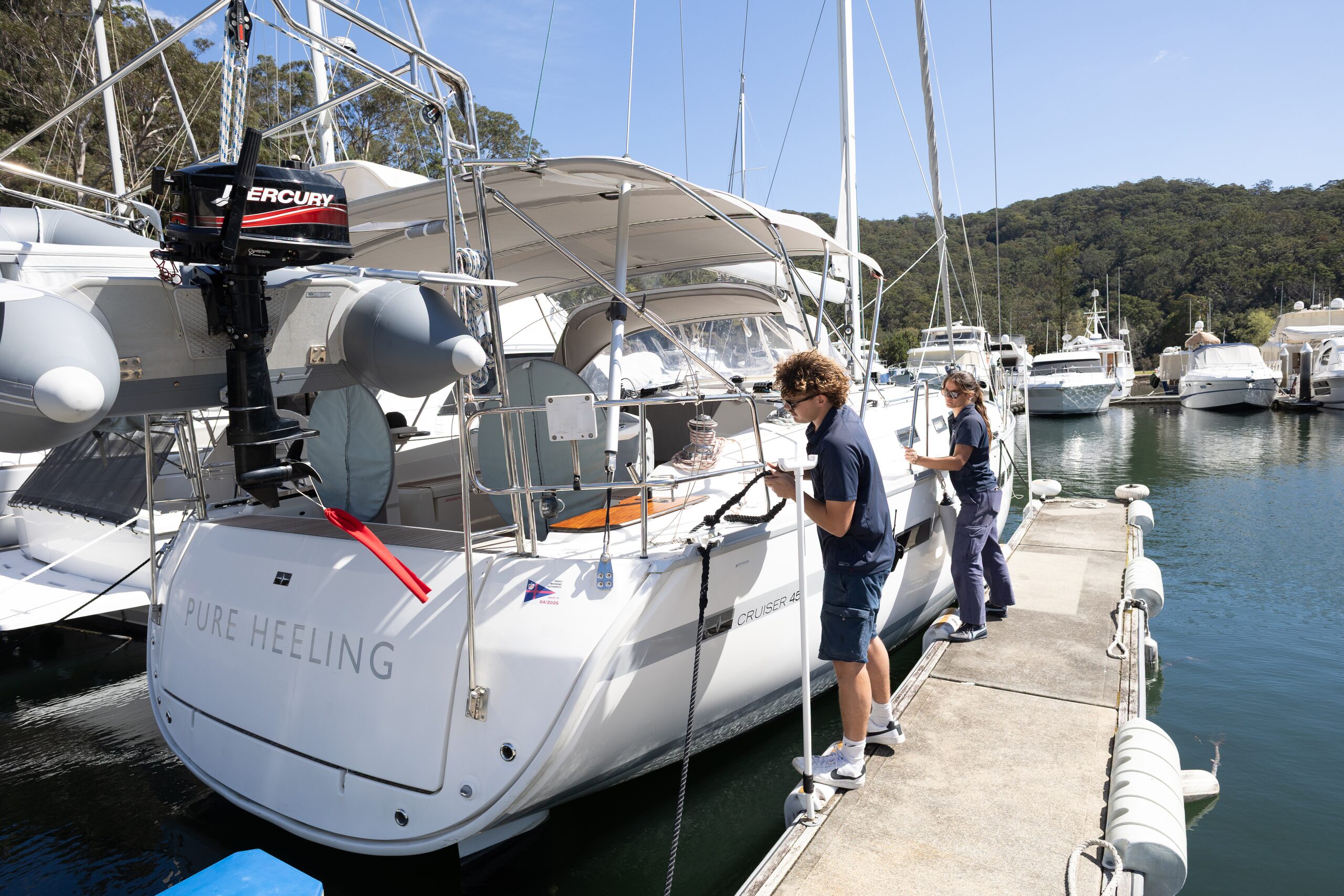
- Book early
Allow enough time to reserve the boatyard and coordinate the required trades. - Prepare a written scope
List known issues, routine maintenance and anything you would like inspected. - Provide accurate vessel information
Confirm the vessel’s dimensions, weight, hull type and any unusual lifting requirements. - Combine maintenance tasks
Use the lift to complete antifouling, mechanical, electrical, detailing and underwater inspections where practical. - Ask what the quotation includes
Clarify preparation, products, number of coats, hardstand time, environmental charges and possible additional costs. - Inspect more than the antifoul
Check anodes, skin fittings, seacocks, propellers, shafts, rudders, bearings, seals and underwater equipment. - Request photographs
Before-and-after images create a valuable maintenance record and help explain any recommended repairs. - Keep communication clear
Agree on who can authorise additional work and how you would like progress updates provided. Listen to the experts. They are there to help you and have seen it all before. - Complete pre-launch checks
Confirm bilge pumps, float switches, batteries, charging systems and underwater fittings are operational. - Record the next service date
Use the relaunch date to begin planning the vessel’s next maintenance cycle.
Visit empiremarinas.com.au
Photography by Edoardo Capriotti and Sunset Media.