
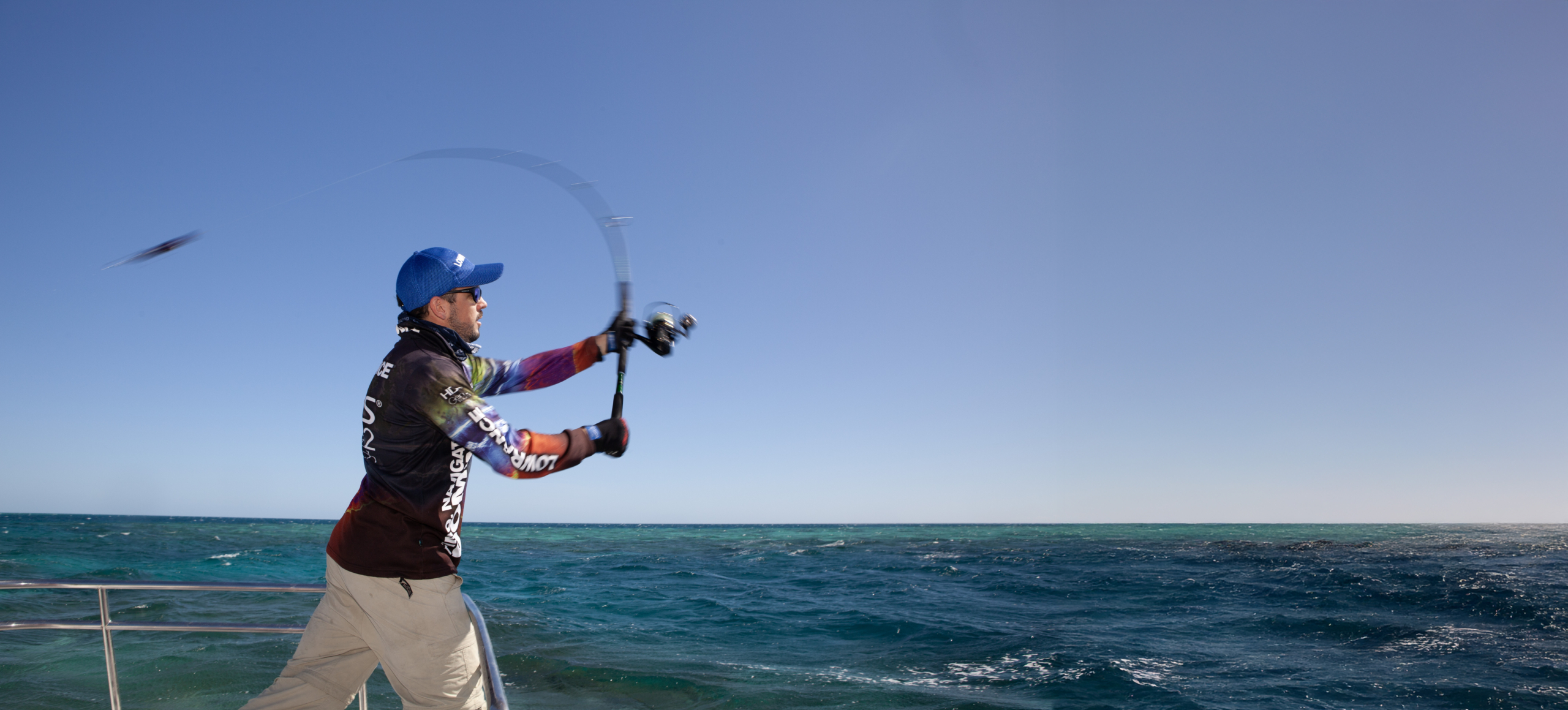
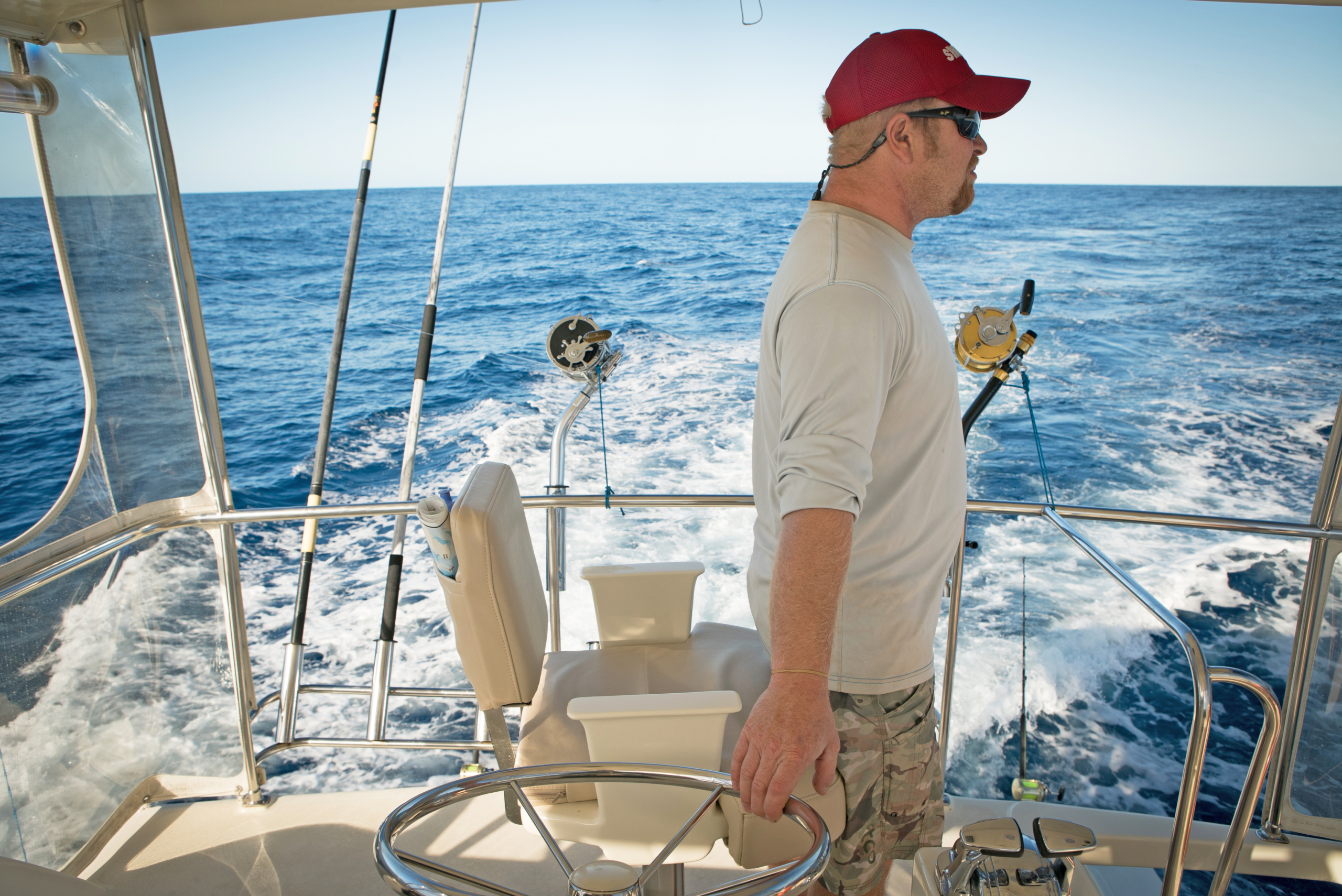
It’s a common question onboard fishing boats: “Are we casting or trolling?” The answer largely depends on the personal preference of the fishos onboard or the species they’re likely to encounter. For some fishos, trolling is a deadly method that catches a lot of fish. For others, however, trolling feels like cheating and is a technique they prefer to avoid. Over the next few pages, let’s take a balanced approach and discover the pros and cons of each method.
What is Trolling?
Firstly let’s clear up a common misconception. It’s called ‘trolling’, not ‘trawling’. The latter is a method for professional fishers where nets are used. Trolling, on the other hand, is a recreational fishing method and involves towing a lure behind a moving boat.
Now we know what trolling is, let’s look at why you would choose this technique. It makes a lot of sense to troll. You will only catch fish when your lure is in the water and trolling ensures your lure stays in the water for its maximum time. Even more important is ensuring your lure stays in the ‘strike zone’. If you’re casting, it may only be a short section of the retrieve that’s likely to hold fish. The remainder of the retrieve is wasted. When you troll, the lure gets to its desired depth and stays in position until you decide to change tactics. It makes perfect sense that it would be a successful tactic on this point alone.
Some fish will follow a lure for quite a distance and the consistent pace of the trolled lure will often work effectively. You see this on gamefish when fishos attach a sub-surface camera. You can see fish such as marlin and sailfish dart around behind the trolled lure. They can stay there for a while and sometimes come back and hit the lure.
Speed and depth are two reasons trolling works so well. Lures can typically reach greater depths and some lures can be trolled at fast speeds. It really depends on the style of lure. Reaching deeper areas will allow you to target new species or find fish that otherwise wouldn’t touch a cast lure. When you cast, your lure dives down and gradually hits its deepest point only momentarily before it starts to ascend back towards the boat. So technically, the lure has only reached its optimal depth for a fleeting moment.
So, given all of the reasons why trolling is so effective and catches so many fish, why wouldn’t you want to troll? Well, some people can find it boring. I understand that. I’ve spent hours trolling offshore. The land is over the horizon and you’re spending the full day watching the ocean and the rolling swell. Besides the odd fish and occasional action, it can be tedious.
Trolling is a great method for newcomers to fishing. Accurate or long casts can be tricky for beginners, while holding a rod and driving around looking for fish is much simpler. In many cases, the fish are better hooked as well because of the pressure that comes from a moving boat. Some fishos even consider trolling a form of cheating. I guess they’re ‘purists’ who choose to only fish a certain way. That’s fair enough too. After all, we do this for fun and if a certain style of fishing doesn’t take your fancy, there’s no point participating just so you can say you caught more fish. But if trolling makes the difference between catching something or going home empty handed, I always choose trolling.
Tips for Trolling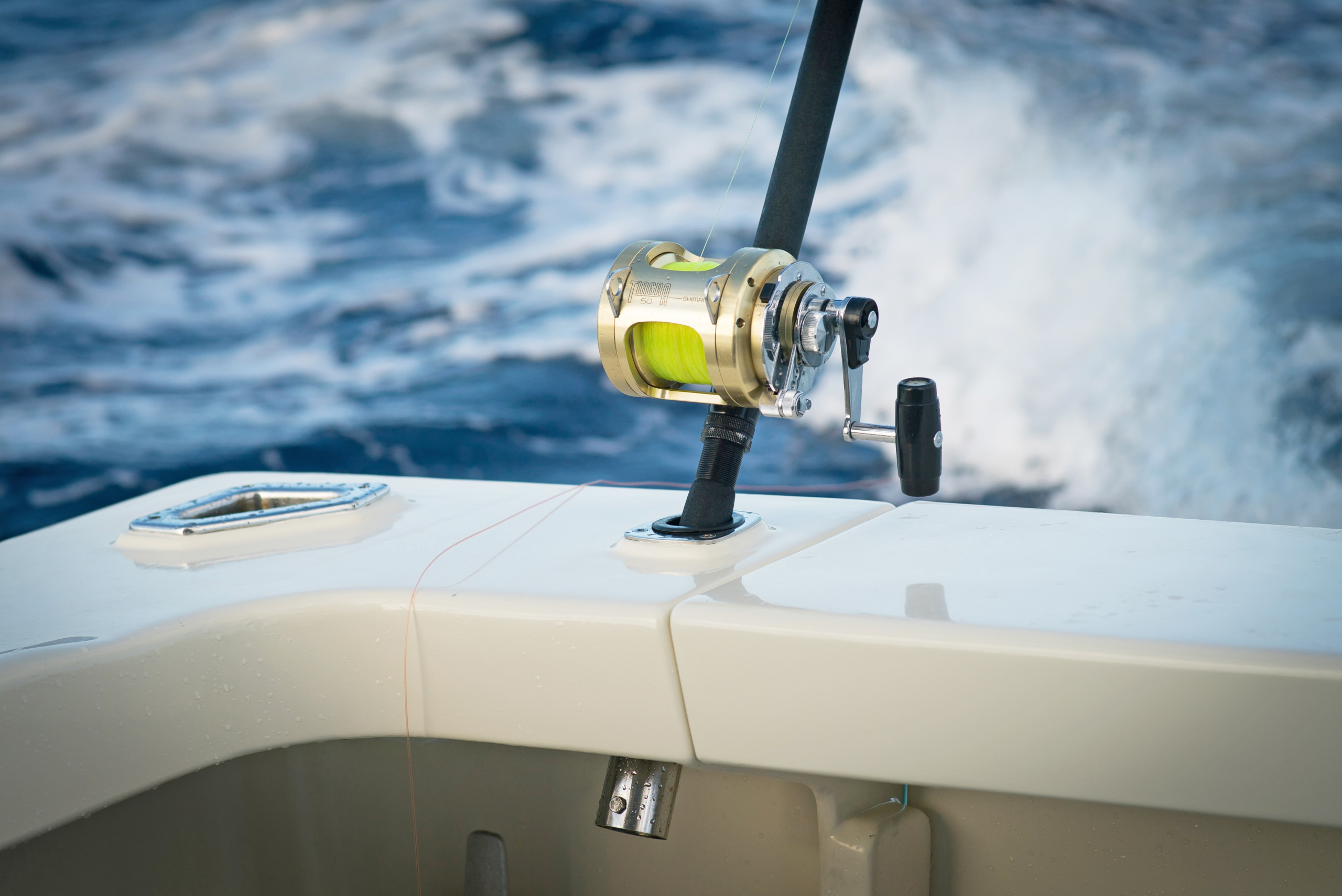
While it’s a relatively simple technique, there are a few tips for making success more likely. First, choose a lure that’s suitable for trolling. Not all lures suit trolling. The constant towing can cause some lures to spin and twist the line over time. Other lures dive too deep or have a wide, swaying action that doesn’t lend itself to the faster nature of trolling. Some lures will also sit too close to the surface and are designed to be cast rather than trolled. The most common trolling lure is a bibbed minnow hardbody. These are commonly used for trolling offshore on fish such as mackerel, trevally, kingfish and more. You can choose models with varying degrees of depth and suggested trolling speeds.
Offshore trolling can also be done with skirted lures. Billfish in particular love them. There are also smaller skirted lures that appeal to mahi mahi, mackerel, wahoo and other smaller, faster gamefish. In the fresh water, trolling can be effective for fish such as Murray cod in large impoundments. Use an electric motor or a quiet four-stroke engine and troll very slowly. In the tropics, trolling is an effective method for barramundi. With barramundi and cod, it’s a similar tactic where you slow troll around structure. It allows you to find the fish by covering lots of water. Once you find the fish, you can even choose to stop trolling and start casting into deeper structure.
Another tip is to hold the rod when suitable. This is impossible for heavy game fishing, but for lighter fishing, it allows you to move the lure and impart more action. It also means you’re already holding the rod when a fish grabs your lure and you’re ready for the fight ahead.
Casting
Casting is the opposite of trolling. Instead of towing a lure behind the boat, you hold the rod and cast the lure. You could be casting at schools of fish, casting towards a reef or towards bankside structure. Casting offers several advantages compared to trolling. Firstly it allows you to use a wider variety of lures and lure styles. You can literally use any type of lure. That’s because most lures are designed for casting. Even lures designed for trolling, in most cases, can also be cast (with the exception of large skirted lures). This flexibility in lure choice is great if you’re into topwater fishing, jigging or just working out which approach is most effective on the day.
Another reason casting is effective is that it allows you to pinpoint lure locations. Trolling, while effective at keeping your lure in the water for longer, can miss some of these areas. Fish love structure and casting allows you to get right in there and find them. Sometimes you literally need to cast inches from an underwater structure to entice a fish to eat your lure. This is simply impossible while trolling. More than anything, anglers enjoy casting because there’s constant action. You’re holding the rod and constantly making decisions and changing tactics. It’s not simply putting the rod into a rod holder and spending hours staring at the sea.
Tips for Casting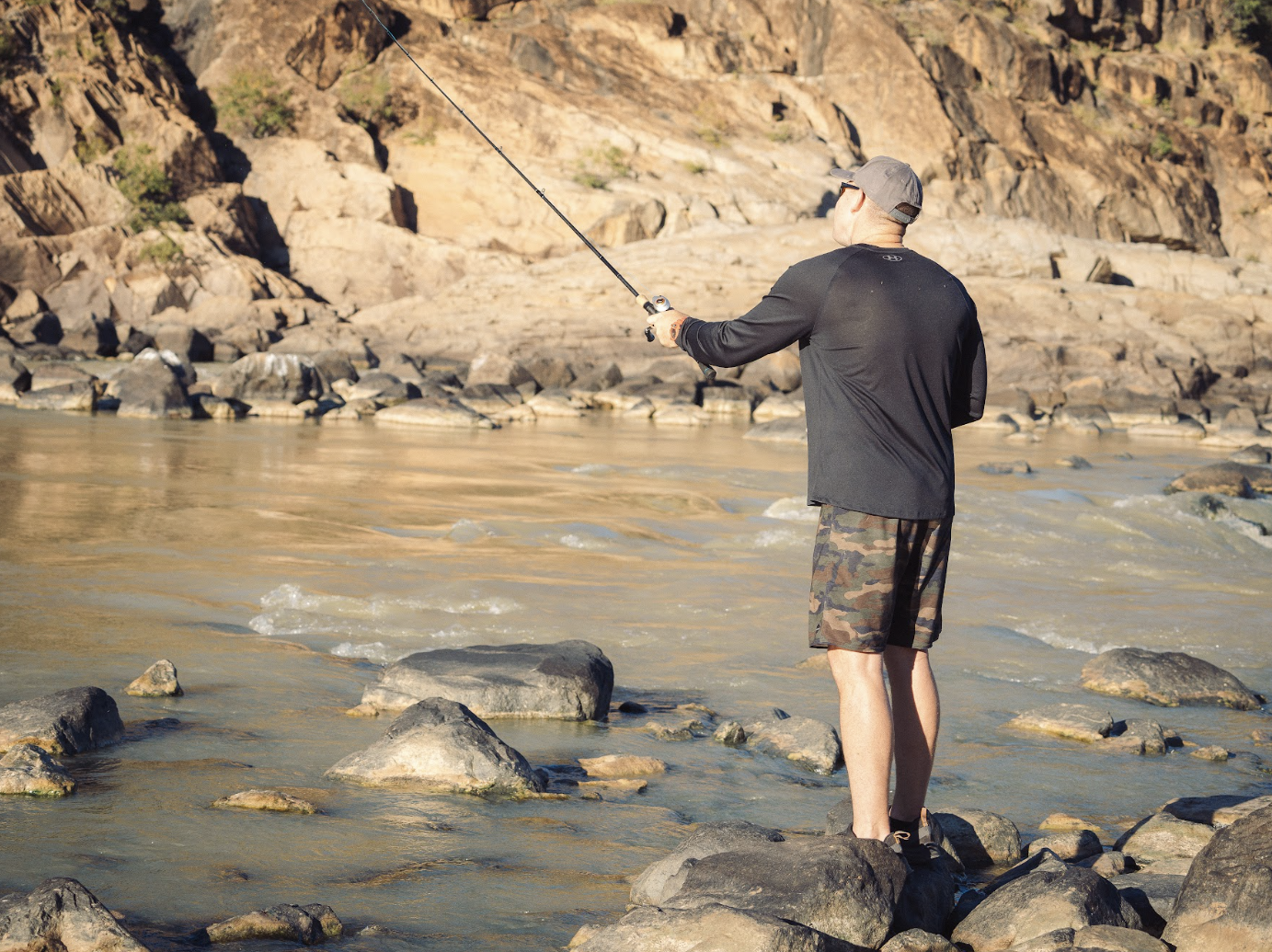
The best advice I can give is to practice. If you have a big enough backyard, get out there and practice casting. Some casting requires pinpoint accuracy while, depending on species and locations, some casting requires less accuracy and more distance. The more you cast, the better you become. Pay special attention to the type of gear you use. There are overhead and spin options and both are great for casting depending on the style of fishing. Choose the correct one and ensure it’s rigged properly. What about suitable species? If it takes a lure, it’s suitable for casting. Whether you’re freshwater fishing or saltwater fishing, you can have fun casting lures to fish. The only exception where casting won’t work is when large offshore trolling outfits are used. These are specifically designed for trolling offshore for large gamefish.
Which One is Better?
Personally, I use both methods. If trolling is a more effective method, and means the difference between catching fish or going home empty-handed, I’ll choose trolling. That said, I do prefer casting as it keeps things interesting. I love casting accurately at structure and more than anything, I really enjoy the feeling of a fish hitting my lure on the retrieve. That’s something you don’t get when you troll. Fishing is supposed to be fun and there’s no need to get too precious about techniques. As long as they’re ethical and lawful, I say choose whatever technique you enjoy and what helps you catch fish.
By Scott Thomas.