
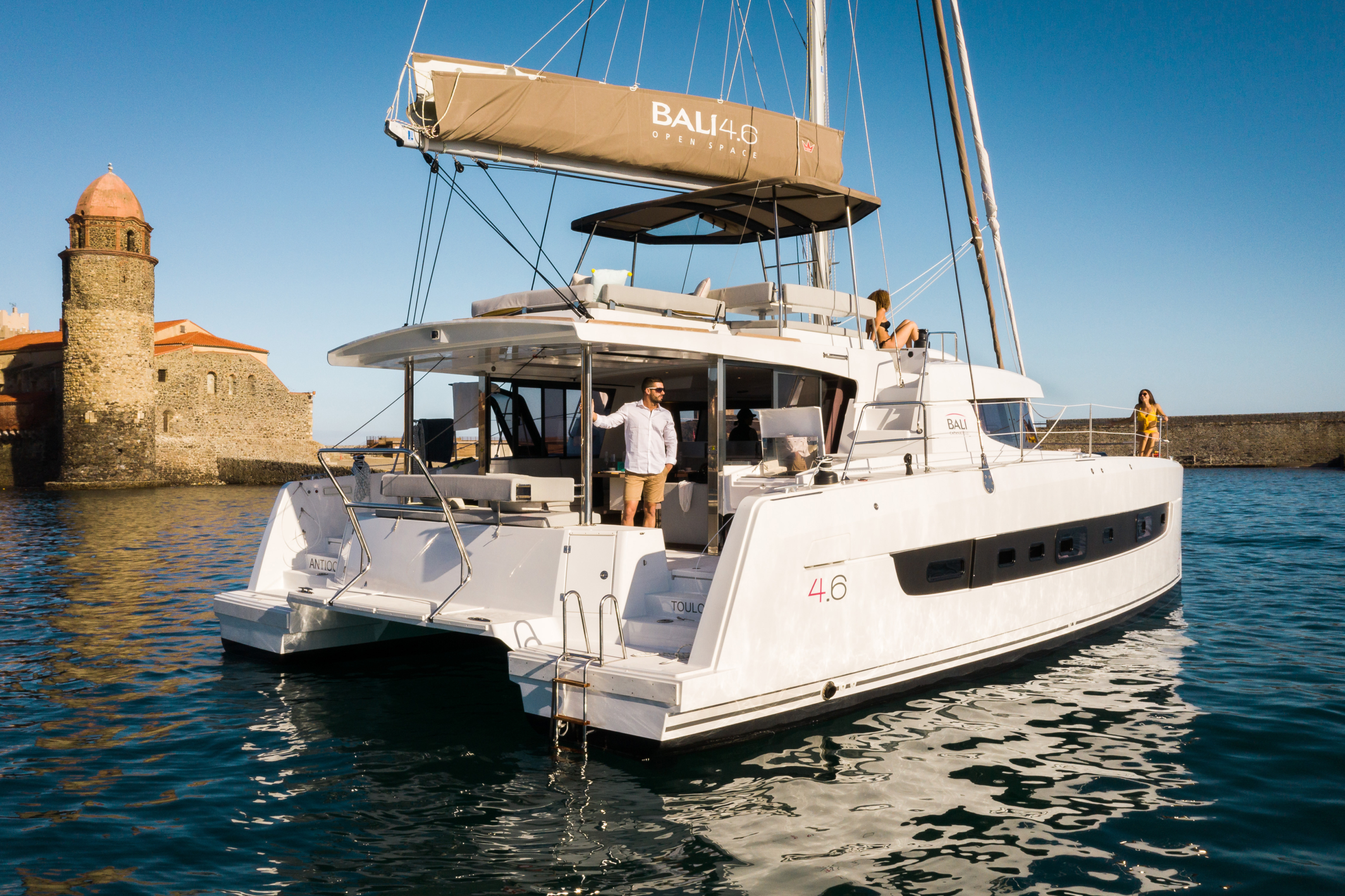
When it comes to cruising comfort, it’s hard to go past the on-water lifestyle catamarans offer. Both sail and power catamarans have become increasingly popular in recent years, with more Australian boaters embracing their spaciousness, stability and versatility. As Australia’s largest marina network, encompassing 17 locations across Queensland, New South Wales and Victoria, d’Albora is focused on supporting the growing catamaran category through its marinas and specialist boatyard services for multihulls.
More recently, d’Albora expanded its catamaran offering into vessel sales through d’Albora Yacht Brokers, following its appointment as exclusive Australian dealer for Bali Catamarans and YOT Power Catamarans. We spoke with Christophe Vanek, General Manager of d’Albora East Coast Marina and International Yacht Broker with d’Albora Yacht Brokers, to gain some insights into the appeal of catamaran ownership, key considerations for owners and the growing demand for catamaran-friendly marina facilities and services. What key insights have you observed across the catamaran category in recent years? Catamarans are the best compromise between sailing and power boating in terms of comfort and space. Sailing catamarans have been appealing more to families, with more couples also purchasing catamarans to go cruising around the world. Power catamarans have also become more popular for coastal cruising. The yacht charter industry is only looking at having catamarans in their fleets as they offer more living space, stability and better manoeuvrability. Why is the catamaran lifestyle so appealing? Catamarans offer owners a fantastic platform, like having their own moving island. The living areas, which comprise the saloon, aft and front cockpit, are more prominent in modern designed catamarans. Catamaran brands like Bali Catamarans have come up with the loft concept, with interiors that are easy to walk through from stern to bow with larger slidingdoor or barn-door concepts. This creates greater airflow throughout the boat.
Is there such a thing as a typical catamaran owner? The typical private catamaran owner is a cruising couple or family who prioritise comfort, space, and extended time on the water over racing performance. However, the market also includes adventure travellers and charter investors, so there’s no single owner profile.
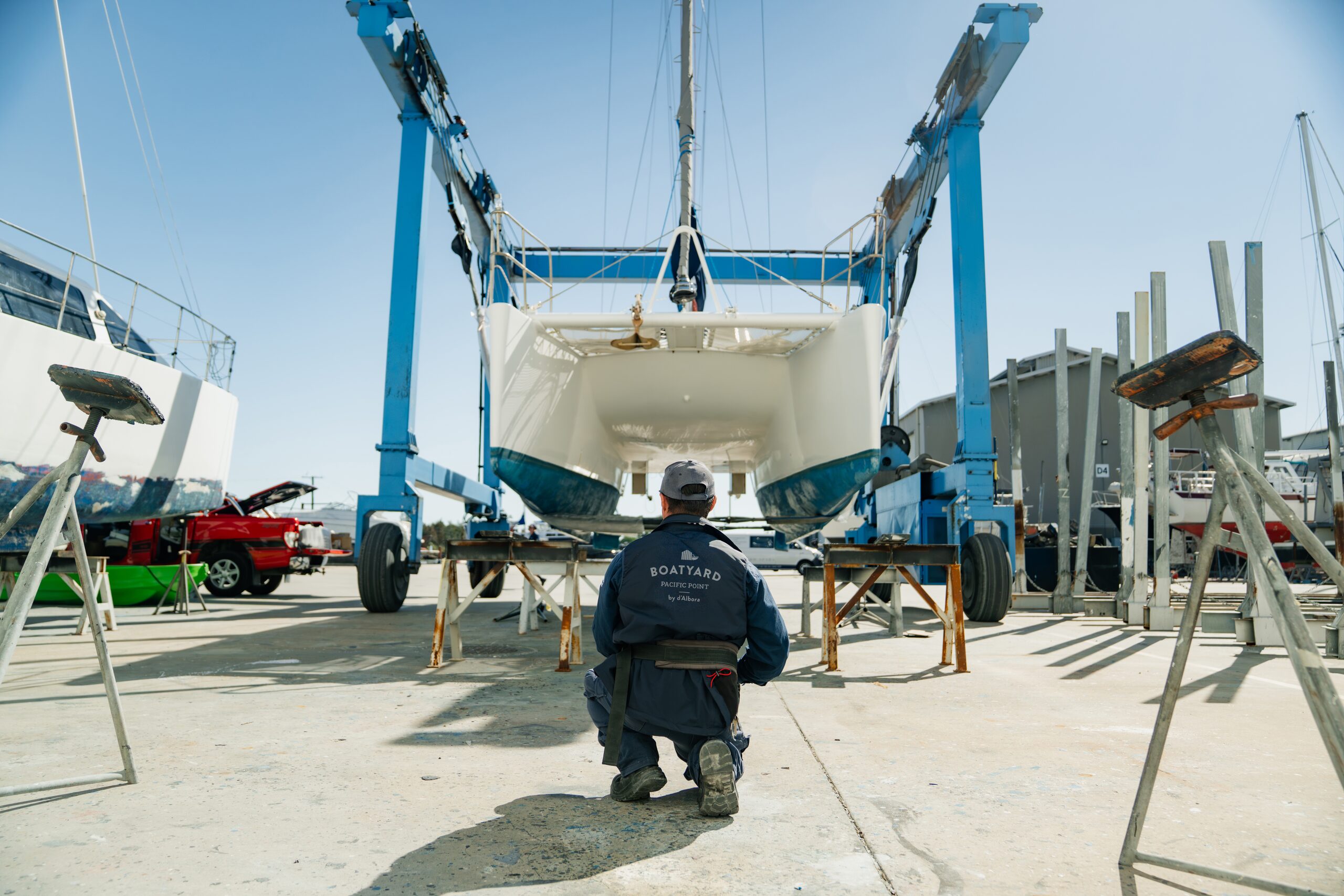
What are some key maintenance considerations for catamaran owners? Owners should budget for ongoing maintenance. A well-maintained catamaran is generally more reliable, retains its value better, and provides a safer and more enjoyable boating experience. Most cruising catamarans have two engines instead of one, which means twice the routine servicing, including oil changes, filters, impellers, belts, and cooling system maintenance. While this can increase maintenance costs, it also provides added redundancy and manoeuvrability. Understanding the vessel’s layout makes routine maintenance more efficient. Following manufacturer recommended service intervals and addressing minor issues early can significantly reduce long-term ownership costs and improve reliability. Many owners perform routine maintenance themselves, but more complex tasks – such as rig inspections, engine overhauls, electrical diagnostics, or composite repairs – are best handled by qualified marine technicians.
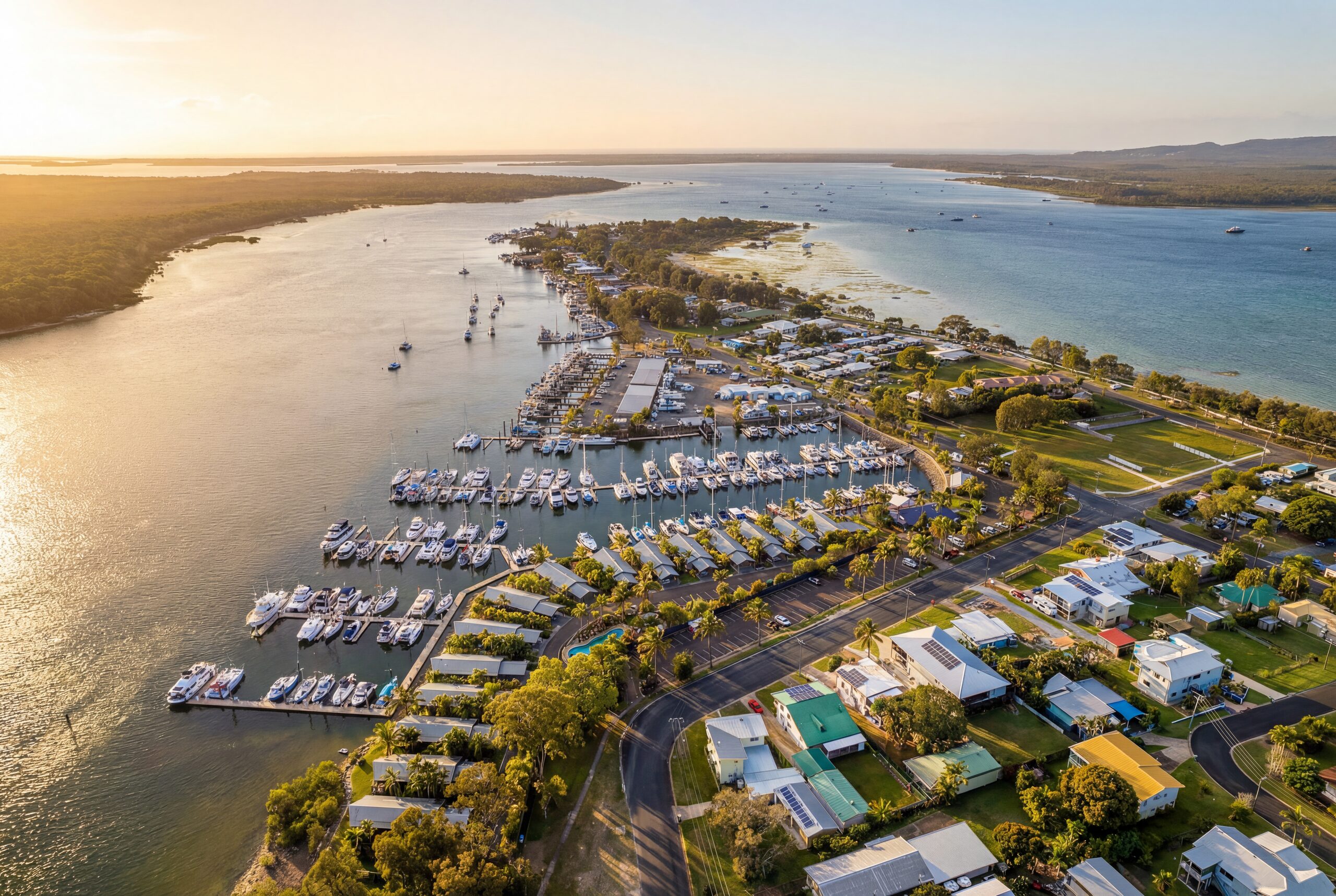
There are four d’Albora marinas in South East Queensland (SEQ). What makes it an appealing stopover and service hub location for catamarans? Manly Harbour and the Gold Coast are top locations for berthing your boat. They combine excellent cruising grounds, a favourable climate, good marine infrastructure, and convenient access to offshore destinations. SEQ has a subtropical climate with relatively mild winters, allowing boating throughout most of the year. While summer brings cyclone risks further north, conditions are generally suitable for frequent sailing. Areas like Moreton Bay are ideal for cruising, training, fishing, and family boating. The bay is protected by offshore islands, reducing exposure to ocean swells. SEQ has numerous marinas offering berths, maintenance, haulout facilities, fuel, and chandlery services. Competition between marinas also provides a range of options for different budgets and vessel sizes. Compared with many exposed coastal areas, SEQ offers numerous sheltered anchorages and marinas where boats can be secured when weather deteriorates, although proper cyclone planning is still important. Many owners choose SEQ because it offers beaches, waterfront dining, fishing, diving, and easy access to both urban amenities and natural attractions. One challenge is that berths can be in high demand, especially for larger vessels and in popular marinas. Waiting lists are common, particularly in locations close to Brisbane and the Gold Coast, reflecting the region’s popularity among recreational boat owners.
What should catamaran owners consider when choosing a marina? The main aspect about choosing a marina to berth a catamaran is obviously the room to manoeuvre. Larger catamarans will often be looking for a berth at the T-end of a jetty. The good thing about catamarans is the fact that they do not draw too much water, so they can be berthed in two metres of water at low tide.
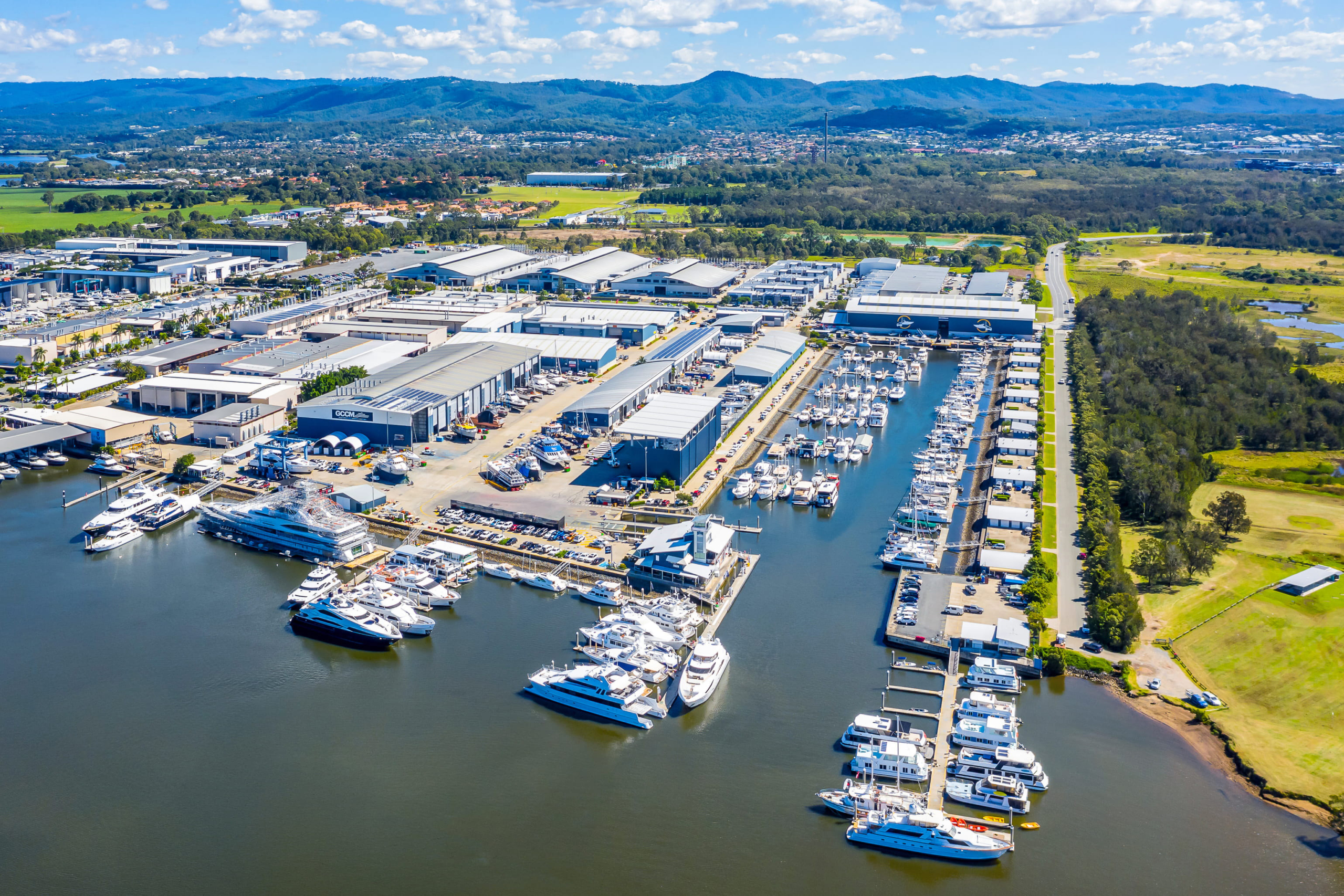
What demand has d’Albora seen for casual berthing and marina services from catamaran owners? Demand appears to be strong and growing, particularly for casual berthing, multi-day stopovers, and maintenance-oriented stays by cruising catamarans along Australia’s East Coast. With d’Albora’s network spanning the East Coast, we’ve seen a noticeable increase in interstate cruising over recent years. One interesting point is that casual berthing isn’t just overnight accommodation. Many boats stop specifically because they need antifouling, rigging work, engine servicing, sail repairs, refrigeration, electrical work, or warranty repairs. Cruising vessels frequently arrive intending to stay only a few nights but remain much longer once maintenance is scheduled. That creates demand for marinas with integrated marine trades rather than simple dockage. One of the strongest long-term trends is that recreational boats are getting larger – and wider. Industry reports note that many marinas still have spare capacity only in smaller berths, while demand has shifted toward larger vessels. Marinas are reconfiguring layouts to accommodate wider boats, but this often reduces the total number of berths available, which affects many modern cruising catamarans. Cruising catamaran owners increasingly look for easy online booking, guaranteed casual berths, fuel access, pump-out facilities, laundry, showers, nearby provisioning, airport transfers, marine trades, secure parking, package deliveries, reliable Wi-Fi, and haul-out capability.
Visit dalbora.com.au and dalborayachtbrokers.com.au