
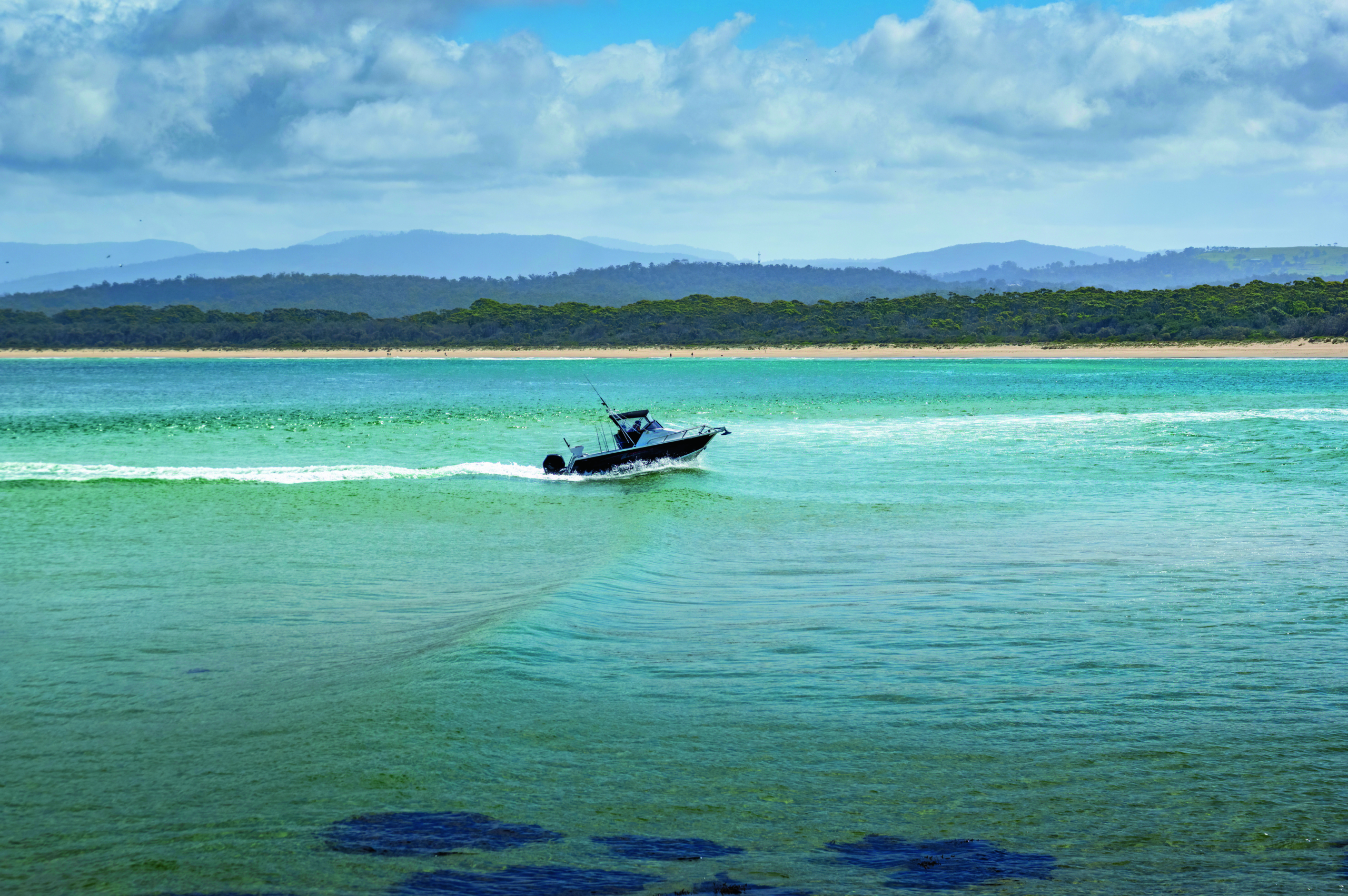
If you speak to anyone who has had the experience of crossing a coastal bar, they’ll likely all tell you pretty much the same thing: don’t go unprepared.
Being ready for a bar crossing encompasses a number of factors; it’s not just about boat handling skills and experience.
- Don’t assume that crossing today will be the same as the last time you crossed. It doesn’t matter whether it was yesterday or a year ago, bar conditions will be constantly changing. Sandbanks move, channels shift, the tide turns and the weather changes unexpectedly. A bar that was flat on Saturday can be breaking heavily by Sunday.
- Before every crossing, not just your first, get current local knowledge. The local marine rescue unit and experienced local operators will know the bar better than anyone, and a five-minute radio call costs you nothing. You can also engage a professional trainer to help you build your bar crossing skills and knowledge.
- Do your research before you leave home. Check the webcams – where available – for the bar conditions, check the boating weather forecast for wind strength, swell, waves, and tidal movements. Don’t risk it if you’re not sure at this stage.
- Timing matters more than almost anything else. Avoid an outgoing tide. Incoming waves against an outgoing tide mean closer, taller waves, and shallow water. Not the right conditions. If you can observe the bar conditions before you cross, this will help you decide if you should cross, and how to pick the best course across the bar.
- Prepare yourself, your guests and the boat to cross safely, well before you reach the area of the bar crossing. Make sure everyone is wearing a level 100 or greater life jacket, and they’re all on deck with you, not downstairs in a cabin. Make the boat as watertight as possible. Close doors, windows and hatches, secure anything that can move around, down below and up on deck. Anchors love to try and jump out of bow lockers in the wrong conditions!
- Log your crossing with your local marine rescue unit and let them know you’re safely on the other side. They’ll be expecting to hear from you after a certain time and will send help if they think you’re possibly in trouble.
- Make sure you know how to cross safely. Know how to read the conditions, pick the right line and use the right amount of speed, power and trim to safely cross the bar. Make sure you’re well clear of the bar before you turn away from being head-on to the waves and swell. Don’t get caught with the waves on your side unexpectedly.
Remember, the best display of good boat handling could be knowing when not to go out.
Visit abcboating.net.au