
Spending time on the water is one of the great pleasures of boating. However, some conditions and situations can significantly increase your risk, and it’s important to be aware of them. Being prepared and making good early decisions can help keep you, your passengers and your vessel safe.
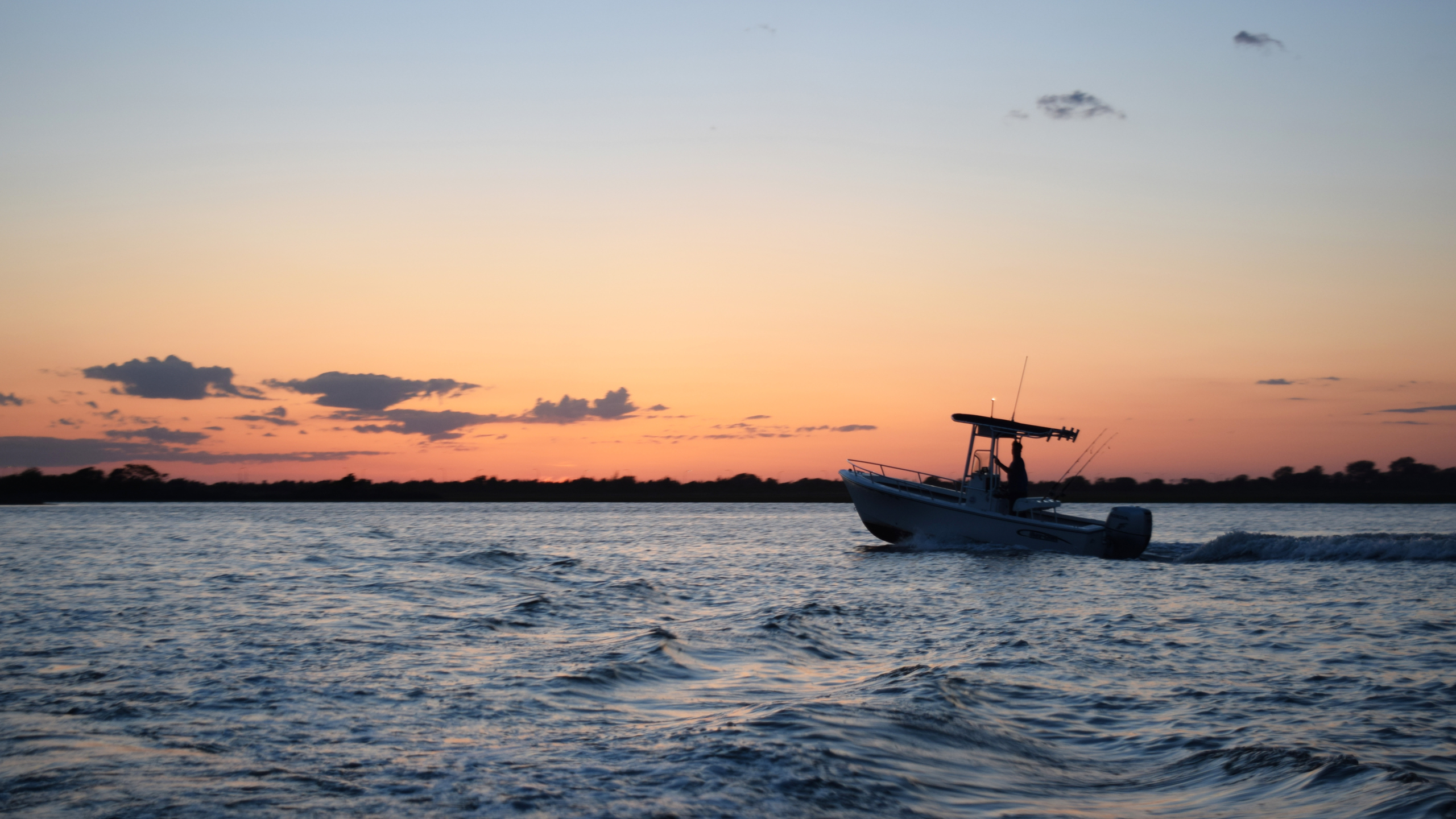
- Reduced visibility and low-light conditions such as fog, heavy rain, dusk and dawn can make it difficult to identify hazards, navigation markers, and other vessels. If concerned, slow down, maintain a proper lookout, switch on the correct navigation lights. If you have navigation equipment to assist, use it. If visibility becomes too poor, consider delaying your trip or finding a safe place to wait for conditions to improve.
- Boating at night requires extra caution. Judging distances becomes more difficult. Unlit obstacles may be harder to detect, and fatigue can affect decisionmaking. Ensure your navigation lights are working correctly before heading out. Travel at a safe speed, keep an extra sharp lookout and make sure someone on board is familiar with your planned route. Make sure you have a fundamental understanding of what navigational lights mean, either from another vessel or fixed aids to navigation that have flashing lights.
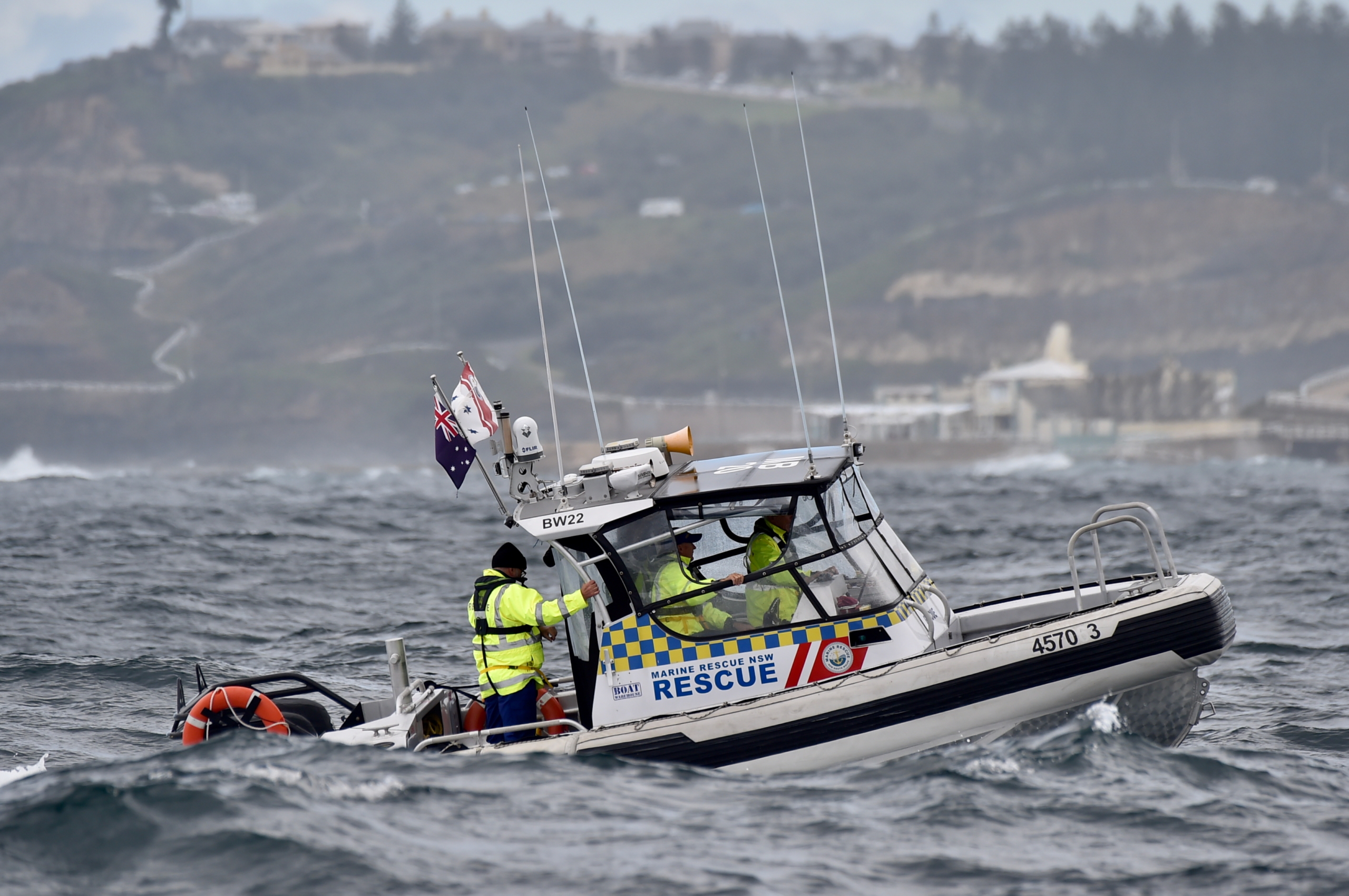
- Breakdowns due to mechanical failures become far more serious when operating offshore. Before heading out, inspect your vessel, and ensure fuel, batteries and safety equipment are in good condition and your engine has been serviced. Carry reliable communication devices and let someone know your trip plan. Be prepared by knowing your equipment, how to use it, and how to call for assistance if needed. Boaters are encouraged to log on with their local marine rescue organisation. If you’re in imminent danger, call triple zero (000) in Australia [or 111 in New Zealand] or call Mayday on VHF Channel 16.
- Weather conditions on the water can change quickly. Strong winds, storms, and rough seas can develop with little warning. Monitor weather updates before and throughout your trip and don’t hesitate to return to shore if conditions begin to deteriorate. Keep in mind what your decision point will be (Go or No Go) regarding your vessel’s capability and your experience when considering your weather parameters. If in doubt, don’t head out.
- Make safety your priority with preparation. Many boating incidents can be prevented through good preparation and sensible decision-making. Before every trip, check your vessel, wear a correctly fitted life jacket, carry the required safety equipment, and ensure everyone on board knows what to do in an emergency. A few simple precautions can make all the difference when conditions become challenging and preparing is simple.
Visit marinerescuensw.com.au