
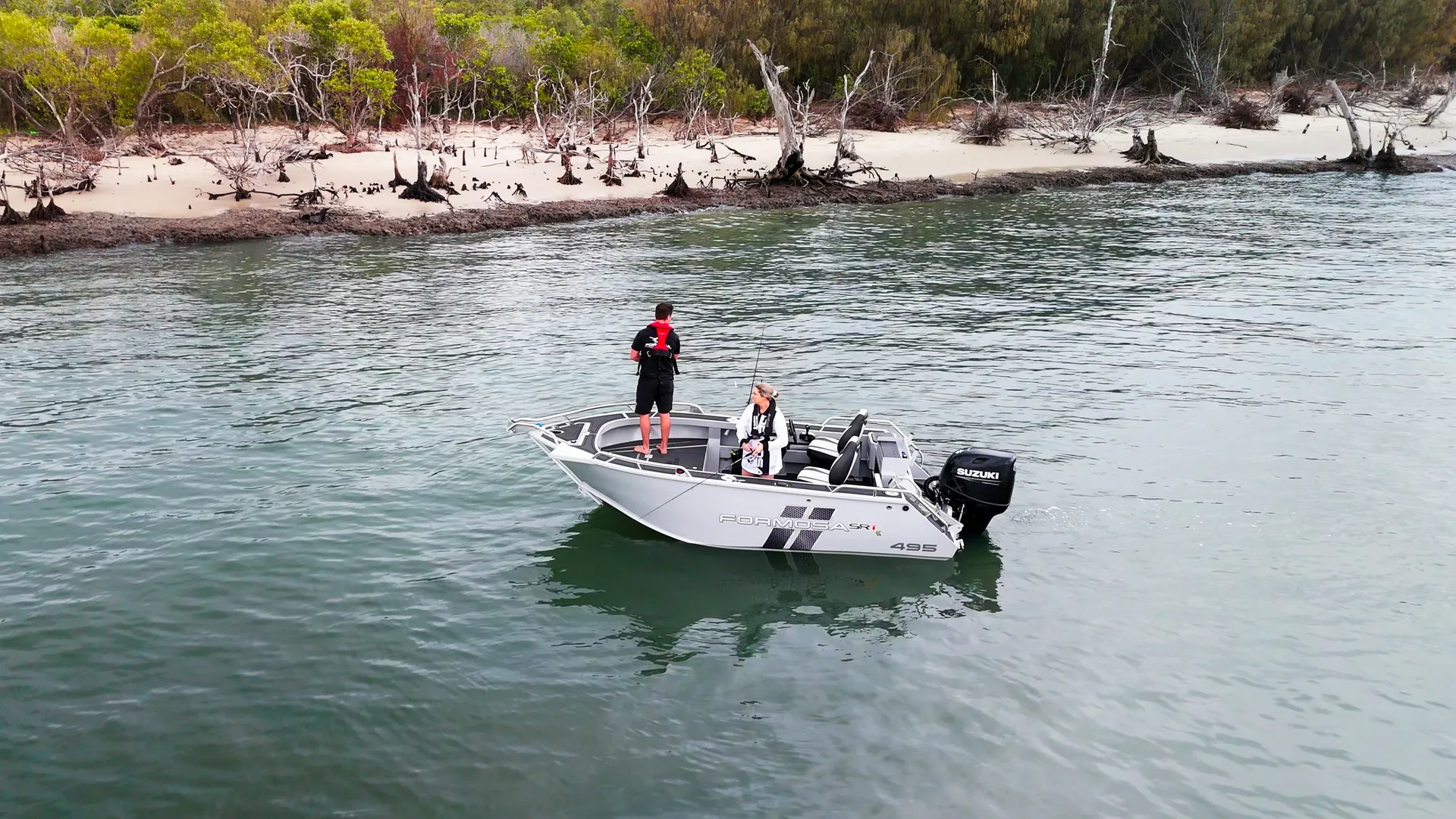
Plate boats are a popular style of trailer boat for Aussie and Kiwi fishos and experienced boaters. They’re tough, practical and rugged.
They suit the type of boater who demands practicality in their boat and needs a high quality ‘tool’ for the job. And that’s exactly what they deliver. Plate boats are usually built to a higher spec. They’re typically designed for a certain purpose and often they’re manufactured by companies who understand their customers’ needs. Most of these plate boat brands are owned and operated by people who fish and go boating, and as a result, the boats are designed well and are fit for purpose.
Let’s look at what makes a plate boat and how to choose one for your style of boating and fishing.
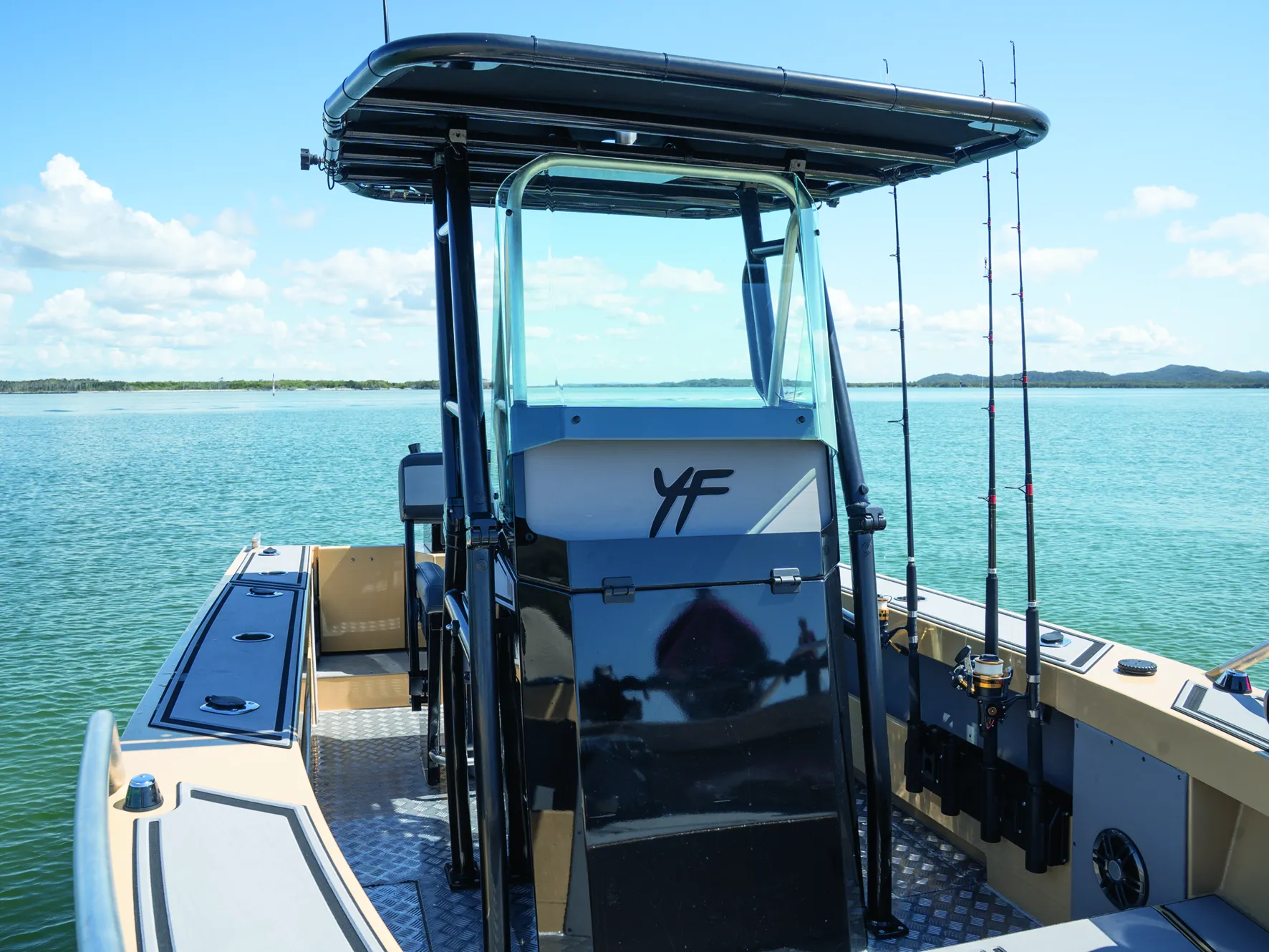
WHAT IS A PLATE BOAT?
Defining just what is a plate boat has been the trigger for many online arguments and heated discussions among friends and fellow fishos. Everyone has an opinion and the whole idea of defining a plate boat gets even more confusing when each boat brand adds their own interpretation.
The truth is, there’s no one definition. There’s no elected board of officials who meet to decide what and what isn’t a plate boat. Sure, we have some loose ‘standards’ which most boaters agree would define one boat or another as plate, but otherwise it’s up to the individual to understand the key features in a boat before making a purchase.
It’s also important to understand that a plate boat isn’t necessarily better than another style of boat. There are pressed aluminium boats, which are probably the most popular trailer boats in Australia. They have their purpose, as do larger, heavier plate boats. There are also fibreglass boats. And again, they serve their purpose and have their own unique set of features and benefits. When it comes to boating, it’s a personal choice and it’s great that we have so many options to choose from.
I’ve owned several plate boats and have tested dozens more over the past 25 years. I do have a soft spot for plate boats. I like their rugged feel and obvious resilience to blemishes and minor mishaps. They’re also typically lighter than an equivalent fibreglass boat and are easier to tow and manoeuvre. Another advantage with plate boats is the ease of fitting accessories. Aluminium boats are far easier for feeding cables and accessing hard-to-reach sections of the hull.
However, I also recognise the limitations of plate and the advantages of fibreglass boats. Fibreglass is definitely quieter when you’re fishing and often soft when underway. By its malleable nature, and unlike plate boats and even pressed aluminium boats, they can be shaped to offer a more efficient and soft-riding hull. Plate and other aluminium boats tend to be more rigid. Of course, boat design has come a long way and most modern boat manufacturers have worked out ways of designing boats so they ride beautifully in most conditions. More on that later. So, it really comes down to your preferences and personal tastes.
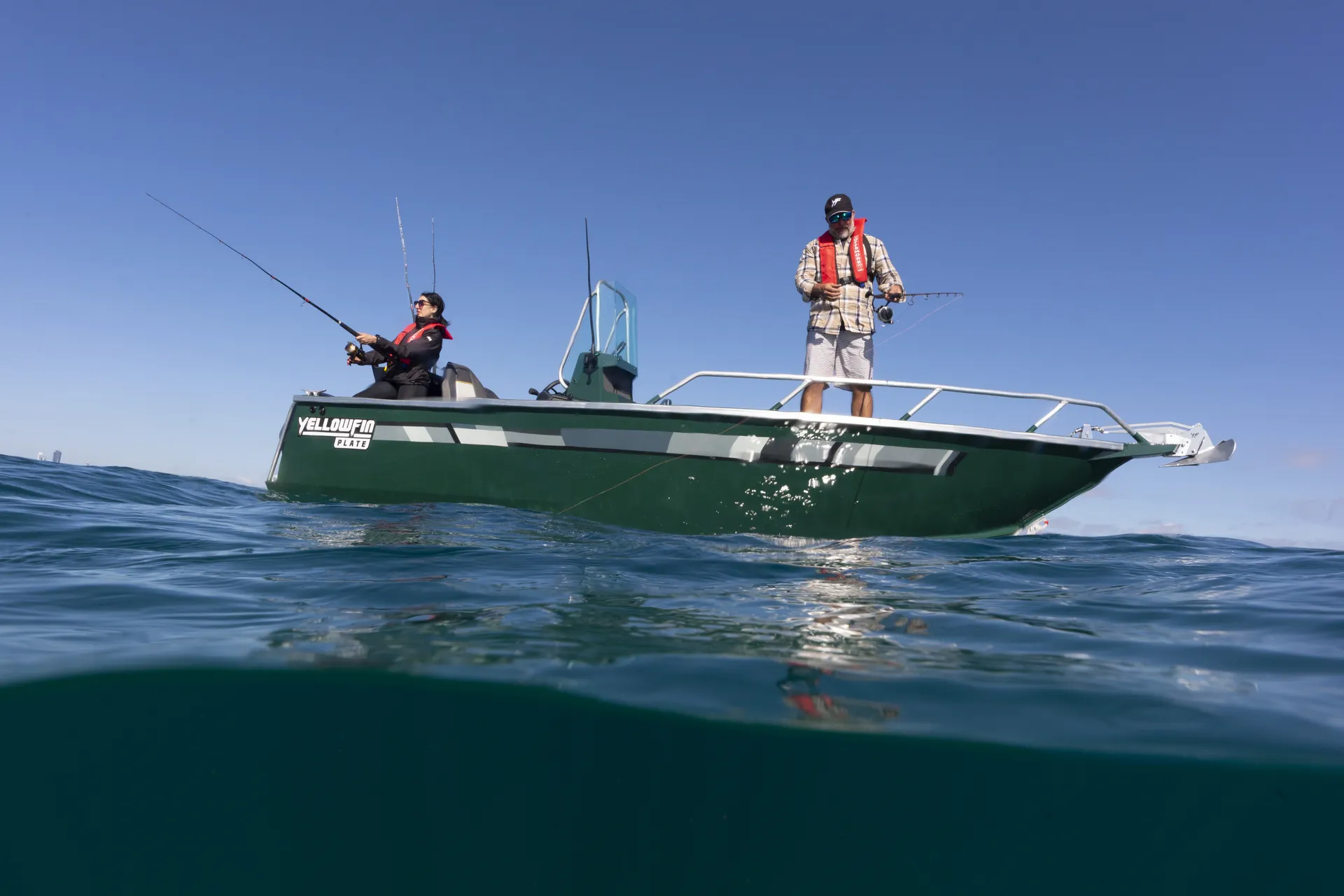
KEY FEATURES
One of the key features most plate boats have is a solid underfloor structure. A good example is Bar Crusher’s Rigideck. Melbourne-based Bar Crusher, one of Australia’s largest plate boat brands, uses full-depth and full-length longitudinal stringers (longitudinal frames) under the floor so everything is boxed and triangulated. It then uses cross frames between the longitudinal frames to tie the whole sub-floor together and increase overall strength. Bar Crusher also welds its checker plate floor into the hull and pressure tests each hull to ensure its buoyancy chambers are working. The process creates a tough, fully sealed floor and underfloor structure that handles challenging conditions offshore.
“There are no shortcuts in building quality plate aluminium boats,” says Bar Crusher General Manager Sam Holmes. “That sense of premium quality is a combination of things: innovative design, quality workmanship, thoughtful layout… a feeling the boat builder has an interest in you and how you will use the product. We have many lifetimes of boating and fishing experience within our ranks here at Bar Crusher, and we also encourage feedback from existing owners as to how we can continue to evolve our product range in line with real-world use. We encourage everyone in the market for a plate boat to do their research… to understand what to look for and to look very closely at it.”
Another important factor that defines plate boats and separates them from other boats is hull thickness. Some boaters believe that hulls need to be a certain thickness to be considered a plate boat, but again, it’s not that simple and manufacturers balance a number of factors when deciding what delivers the best strength, weight, and performance. It’s also important manufacturers keep boats accessible and within budget for a wide range of buyers.
The debate around hull thickness can be complicated. Often, thickness alone doesn’t dictate overall strength and opting for the thickest possible material may impede on other design factors that also build strength and improve performance.
Derek Rodway, Owner of Sydney-based Oceanworx, says he builds all models with 5083 marine-grade high-tensile aluminium. “It’s dense, stiff and heavy which provides exceptional rigidity when it’s formed correctly into a hull,” he says. “It doesn’t like being formed or folded and if it’s not done right it will crack. The key to our hull design is how we have been able to form our bottom sheets with curves in all directions and variable deadrise. According to the computer design programs it can’t be done but we have determined a way to make it work, much to our customers’ delight.”
Most leading manufacturers have developed methods and have invested in modern, high-tech machinery to construct aluminium boats at a high standard. This leads us to talk about modern plate boat technology.
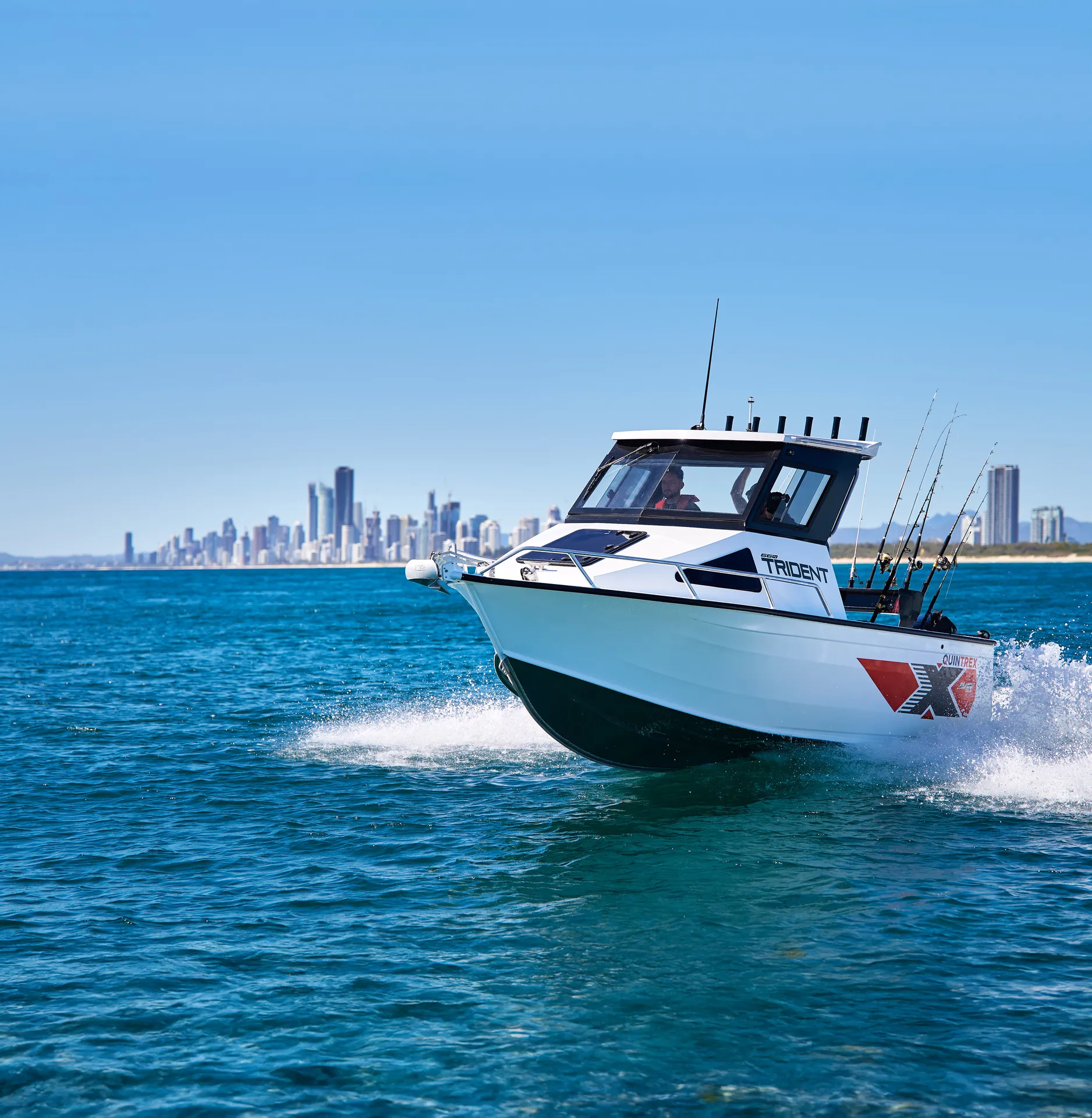
TECHNOLOGY
At first glance, boat designs haven’t changed much over the last few decades. But the reality is, that couldn’t be further from the truth. Queensland-based Formosa Marine manufactures a large range of dedicated fishing and family boats made from plate and have invested in technology that allows it to produce consistent results while streamlining production.
“We’ve put a lot into digitising the business, but it’s never been about replacing good people,” says Formosa Marine General Manager Sean Allen. “It’s about giving them better tools to work with. The move to 3D design and robotics just means our team can build boats more accurately, more consistently, and with less mucking around – it backs their skills, it doesn’t replace them.”
Allen says Formosa isn’t trying to be a full custom one-off builder. “We’re not a cookie-cutter production line either,” he says. “We’ve evolved the range so customers get a proven plate boat platform, but can still make it their own – whether that’s deck layout, transom setup or colour. A big part of that is our dealer network too. They know their local waters better than anyone, so the boats they choose to stock and recommend are set up to suit their area. It keeps things consistent for us to build, but makes sure the end result actually fulfills our customers’ needs where it matters.”
Well-known Queensland brand Yellowfin Plate Boats also utilises modern technology in the design process – to create a superior ride and performance – and also during construction with the latest cutting-edge machines to build these boats. The latest Extended Cabin and Rear and Centre Console models are testament to the design and build quality.
THE WRAP UP
As you can see, plate boats are popular for a reason. They’re tough, dependable and favourable in Australian and New Zealand conditions. While there are pros and cons for all boats, modern technology and improvements in boat design and construction make the latest plate boats a pleasure to drive and spend extended time onboard fishing. Let’s look at some great plate boats from Australia and New Zealand.
By Scott Thomas.