
Fish are different to humans. Humans often shy away from cold temperatures, while some fish species thrive in the cold. As an extreme example, take ice fishing. This unique style of fishing in the Northern Hemisphere sees fishos catching big fish under frozen lakes. The cold doesn’t stop fish feeding and the anglers continue to catch them throughout the coldest of winters. Thankfully, our winters aren’t so cold. While ice fishing is a lot of fun, our winter fishing is much more subtle. The changes in water temperatures are less noticeable, and depending on where you are located, even the outside temperatures can be reasonably mild throughout winter.
Lose the crowds
Winter fishing is often less crowded. There are fewer boats on the water and less traffic at the boat ramp. As a result, the fish are less wary and more likely to be caught. Fish are shy creatures and having fewer boats around really makes a difference. Another advantage is there’s less need for very early starts. Depending on the species, many fish\ will actively feed all day and can be caught during bright sunlight. So, which species thrive in cooler winter temperatures and what are a few tips to help catch them over the coming season?
Choose your fish
Not all fish thrive in cool conditions. Fish move around; they migrate, and choosing the right fish at the right time is the key to catching fish over winter. Let’s look at some of the common species you’re likely to encounter over the cooler months in Australia and New Zealand.
Tuna
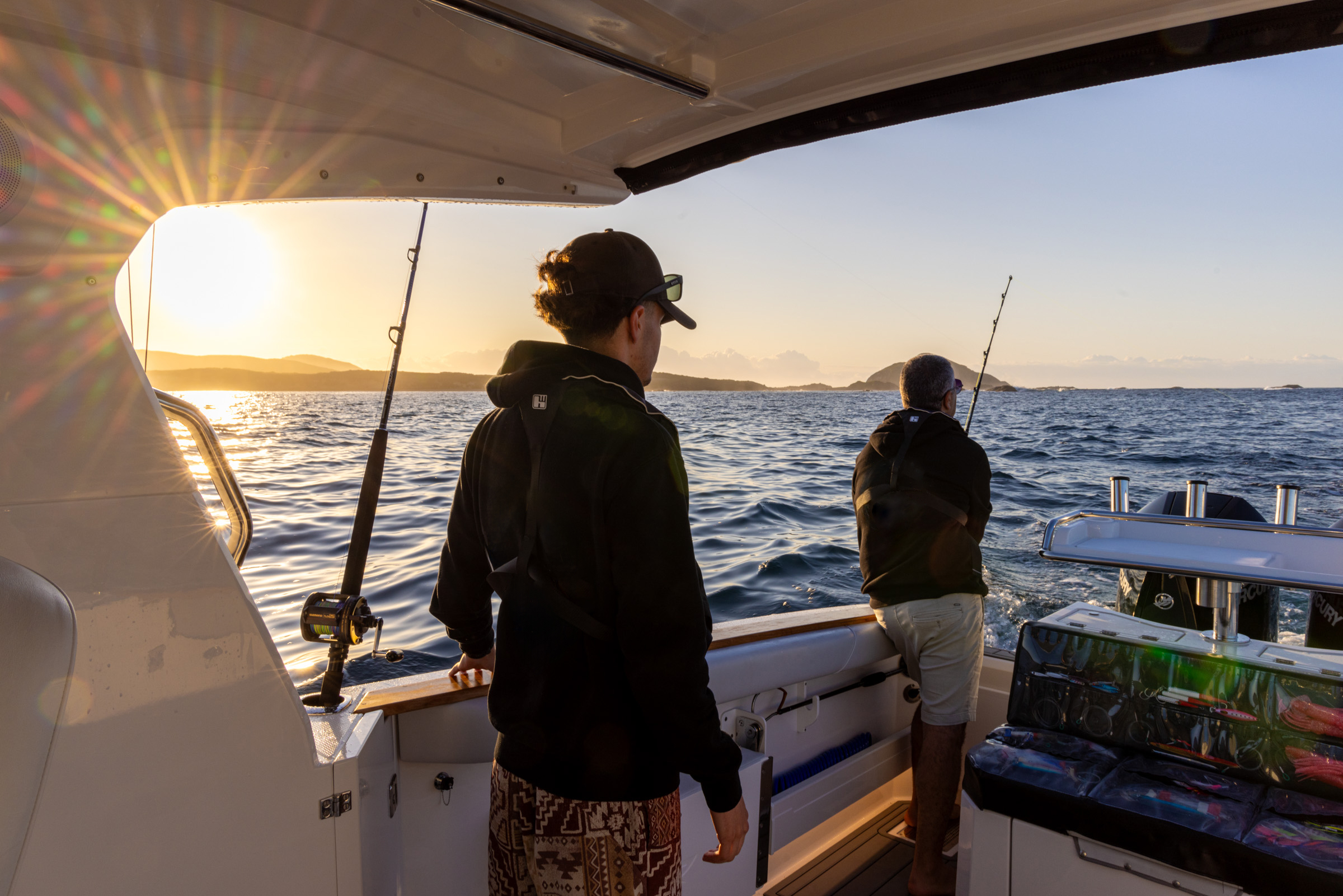
Chasing winter tuna along Australia’s East Coast is about as exciting as it gets. You will need a capable boat, big enough and safe enough to reach longer distances offshore. Along the East Coast of Australia, the tuna are often large and typically found over the Continental Shelf. Being bigger fish, it pays to bring a few mates. When you do hook up, it can be hectic and having someone to drive the boat and another person to manage the fish at close quarters is essential. Doing this type of fishing solo can come with risk. You will also need heavier gear. Tuna responds well to lures, either trolled or cast. Throwing poppers or stickbaits is exciting. Nothing gets the heart racing more than an explosive tuna chasing a topwater lure! Baits work well, too.
Flathead
Flathead fishing can be red hot in winter. Flathead are found all around Australia. The most common species is the dusky flathead and they’re found from Northern Victoria up the coast and well into Queensland. Winter in Southeast Queensland is prime time for catching dusky flathead along the shallow flats and deep river mouths. Again, bait and lures work well. Live mullet is an old favourite for big flathead, or you can use soft plastics along sand flats. Anglers have also been using big lures to mimic big baitfish and having success luring giant flathead up to one metre long. The NSW coast is also a good option for flathead fishing during winter.
Snapper
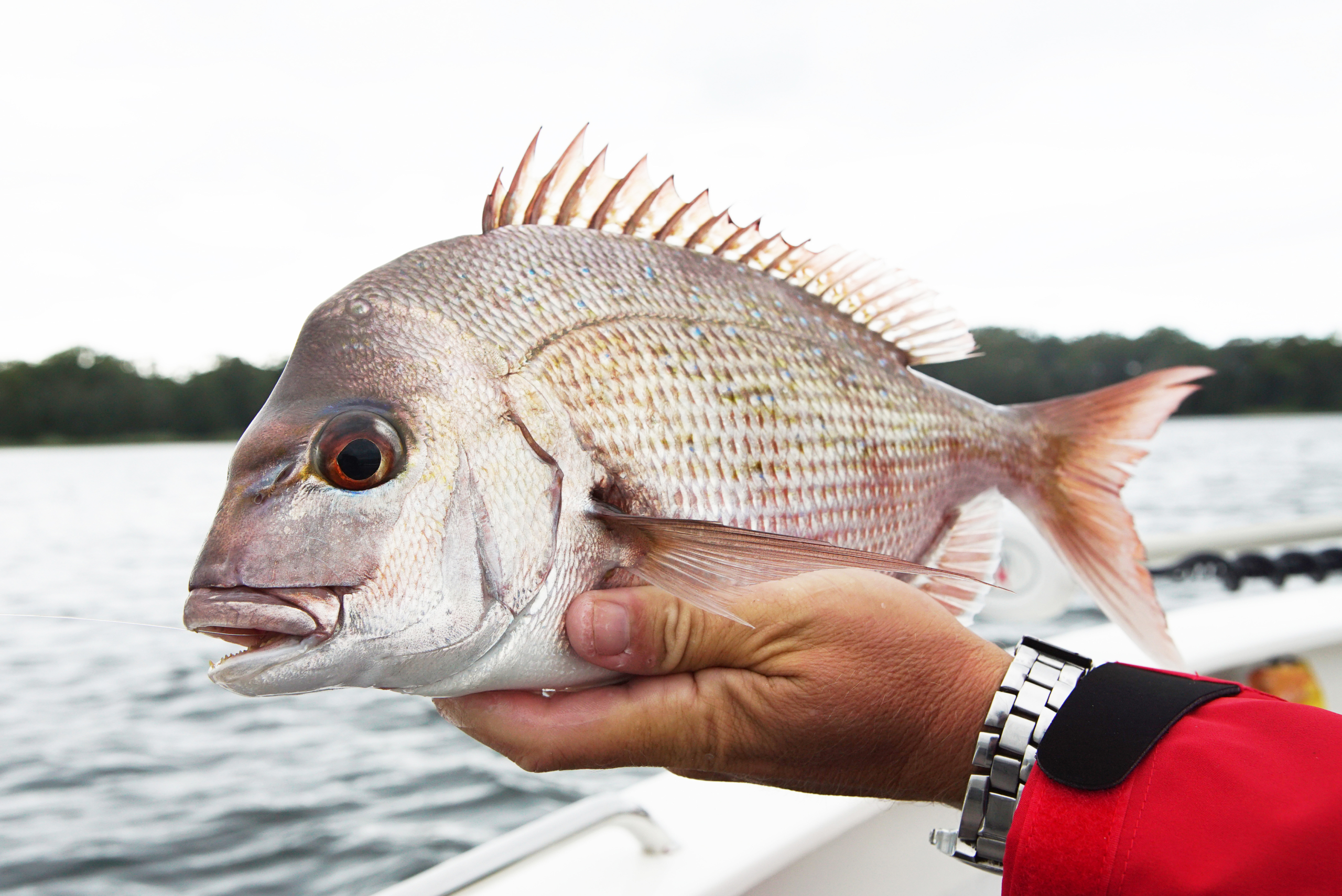
Snapper are one of Australia and New Zealand’s most popular saltwater fish. They look great, fight hard and taste even better! Winter is a fantastic time to catch them around Australia. That said, it does differ depending on your location and it pays to do some research around your local area. For our New Zealand readers, it’s no secret NZ has some fantastic snapper fishing. They’re big and plentiful. Just like tuna and flathead, snapper will readily take bait or lures. My only advice is to choose one or the other and become good at it, rather than trying too many techniques on the same day. Soft plastics are fantastic for snapper or flatlining pilchards is a good bait option.
Aussie salmon
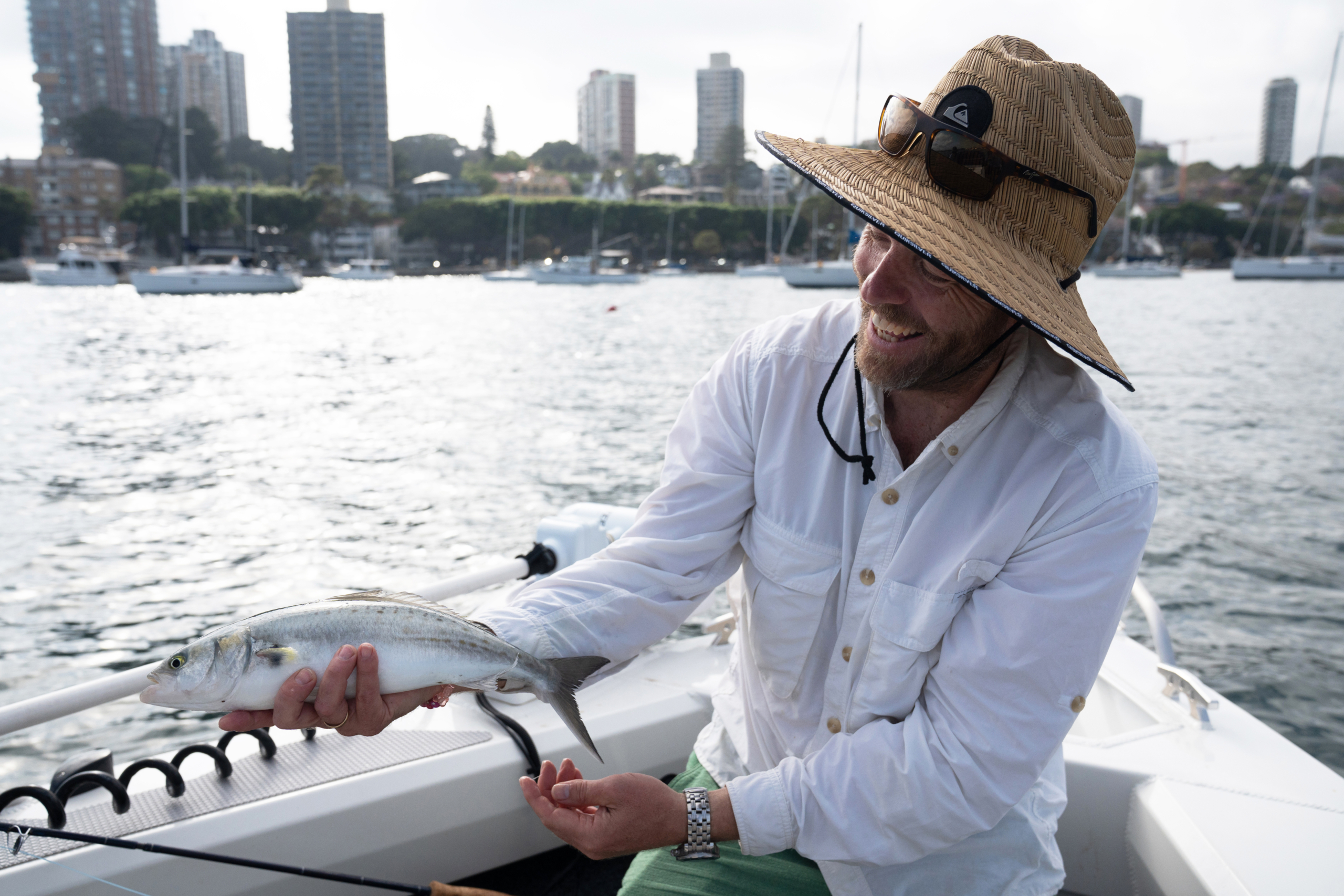
Australian salmon or kahawai in New Zealand are a reliable catch in winter. They fight hard, jump and, despite their reputation, can taste pretty good. They love to school on the surface and are a great target for sight fishing. Position your boat within casting distance, up wind or up current from the school of fish. Cast out a lure and hold on! They can be fussy and it pays to ‘match the hatch’. Often Aussie salmon will eat tiny bait and all lure presentations will be rejected. When this happens, I sometimes switch to fly or use a small soft plastic or tiny metal lure.
Murray cod
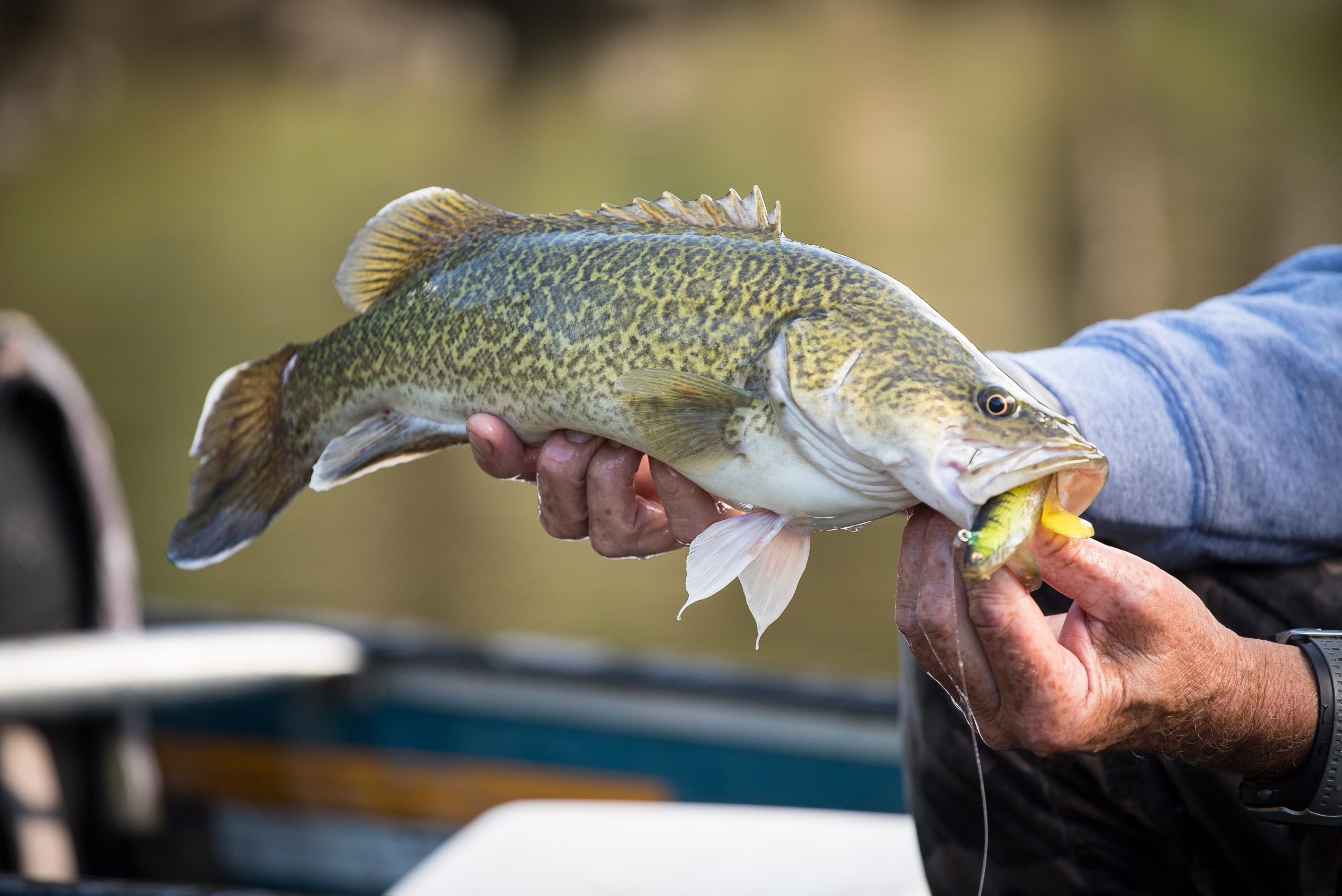
If you prefer freshwater fishing, Murray cod can be caught throughout winter. Traditionally considered a summer-only species, more recently anglers have had great success fishing impoundments using big topwater lures for big cod. Many of these anglers are also using live sonar technology to find fish before casting. I find early winter is a great time to fish as the cod are feeding up before the cold days ahead. Focus on structure and shaded areas. It’s also worth casting your lures adjacent to weed beds. These all offer the cod some shelter and protection.
Trout
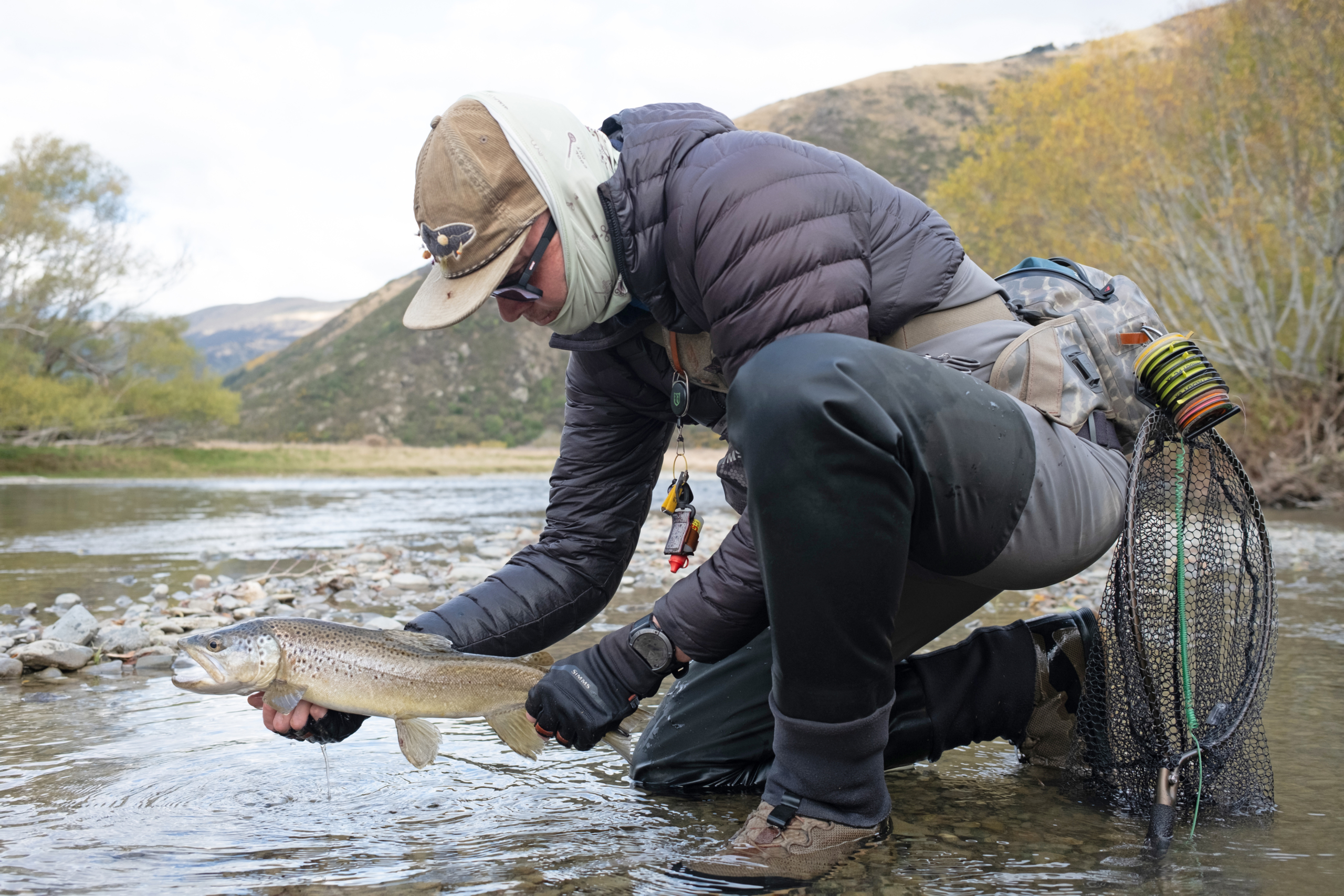
Trout are a well-known cold-water species and can be found throughout New Zealand and parts of Australia. Be aware of the closed season, as many rivers are closed during winter. Lakes are still open and can be successfully fished all year round. Trolling lures in these lakes or casting small minnow lures and Tassie Devils can be highly effective. Fly fishing for trout is also popular and can work well along lake edges. I enjoy walking around lake edges and spotting trout before casting small flies at them. They cruise the lake edges feeding and looking for worms, yabbies and nymphs. Stay out of sight and cast ahead of the fish as it cruises towards your fly. It’s addictive fishing.
Tactics
Every fish species is different, and each one has its unique set of techniques and tactics. But one key piece of advice for cooler water fishing is to be patient and fish slower. With some exceptions, cooler water will slow fish. Yes, they will still feed and can stil be caught, however, they may need more coaxing and more time at your end. Try different lure retrieves and change lures more often. Most importantly, don’t be deterred, have confidence and keep fishing despite the cooler conditions.
The best boats for winter
Some boats are better than others when it comes to cooler seasons. Sure, you’re not going to have a summer boat and a winter boat. That said, a boat that offers protection from cold wind and rain will let you fish in comfort during winter, while still making an excellent summer boat. Any boat with a cabin will offer some wind protection. It will keep the wind chill down and offer some protection from the spray.
A hard top boat is even better. This will keep you dry and warm in most conditions. Even better than a hard top is an enclosed cabin boat. These are commonly used in New Zealand and the southern parts of Australia. You can get into the cabin, close the door, and stay nice and warm on the way to your fishing destination. However, let’s be realistic, once you start fishing you’ll be exposed to the elements. That means a good jacket and proper cold-weather gear are essential for any style of boat.
Stay cool
Fishing over the cooler winter period comes with its challenges and rewards. If you dress for the season, understand your target species and have some patience, winter can be a very productive time for fishing and a great time to be on the water.
By Scott Thomas.