
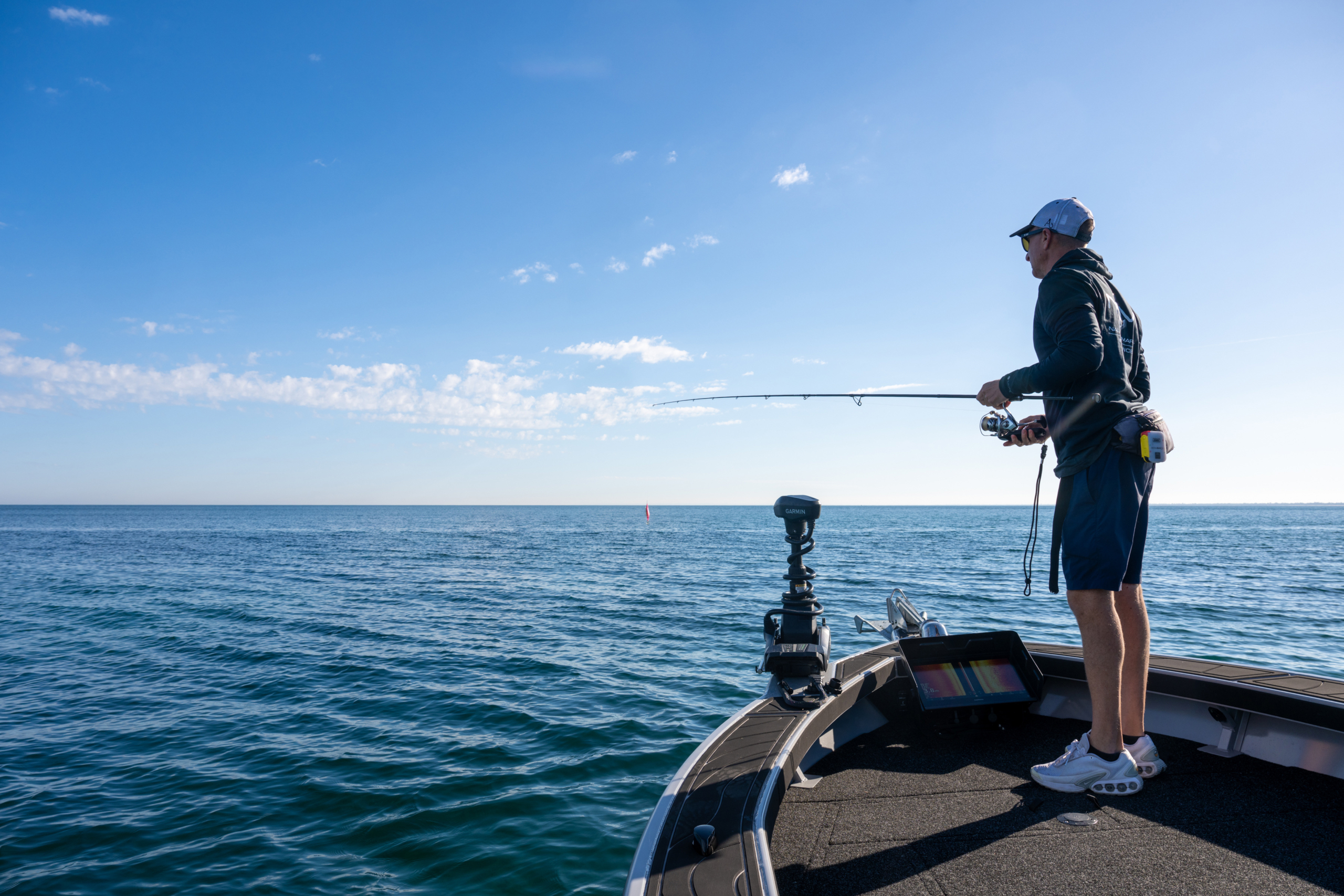
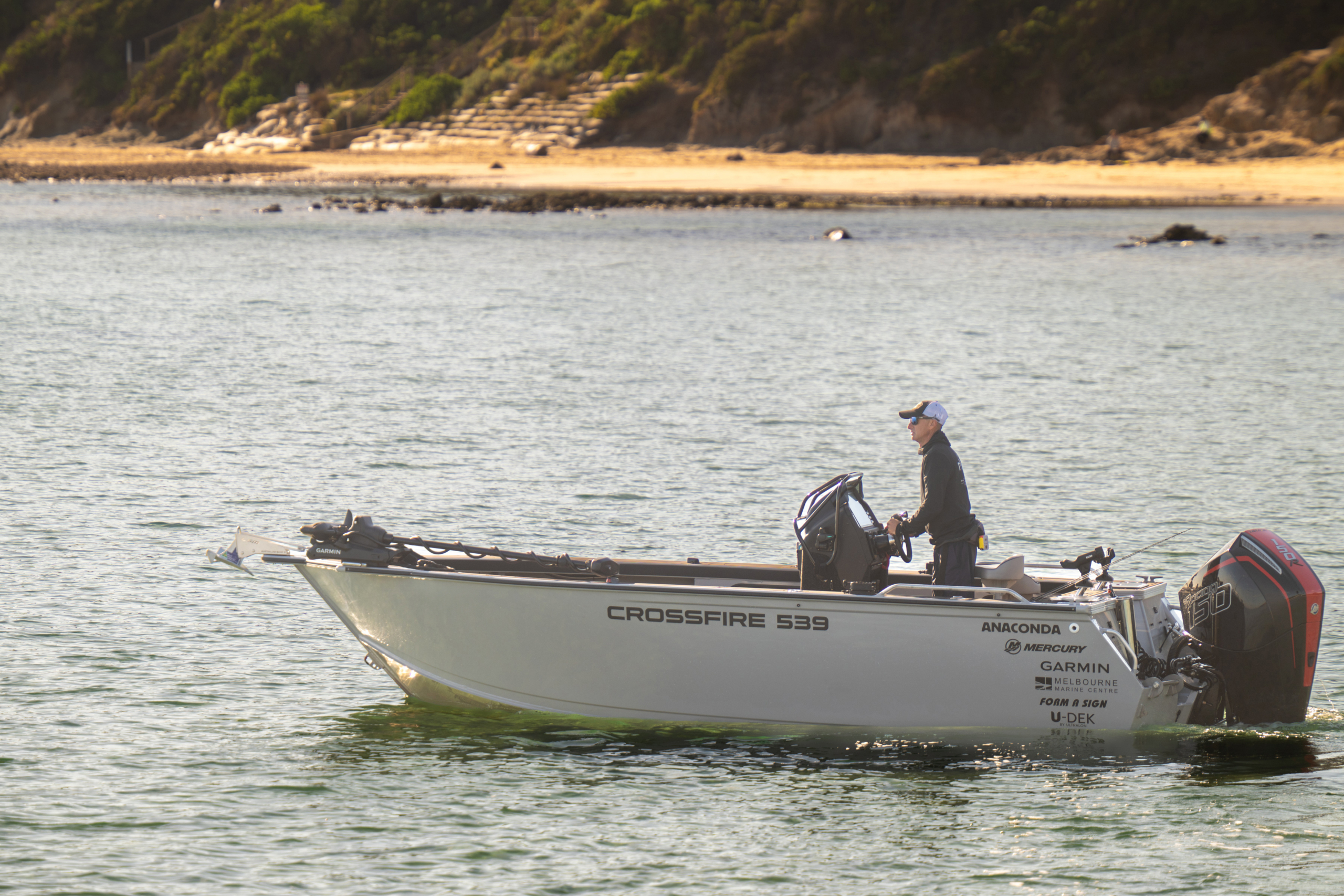
Doing things the same way is not always the best way when it comes to fishing, writes Lee Rayner.
We can all be guilty of it – falling into the habit of fishing that same spot or location, or fishing a certain way because that’s how you were taught, or because it’s how everyone else is doing it. And while this is often a very good way to catch fish, when things aren’t happening, doing the same old thing and hoping for the best isn’t always the answer. There are other options you can try that often change the success of your day or trip.
KEEP A RECORD
This is an important step in building a solid knowledge base of species and locations. Recording tides, weather, moon phase and how you caught fish goes a long way towards future success. The real secret is recording your unsuccessful days, as this can quickly help identify unproductive times and areas to stay away from. You could store this information on your phone, particularly if it correlates with photos you already have, or keep it as simple as notes in a diary.
BREAK THE CYCLE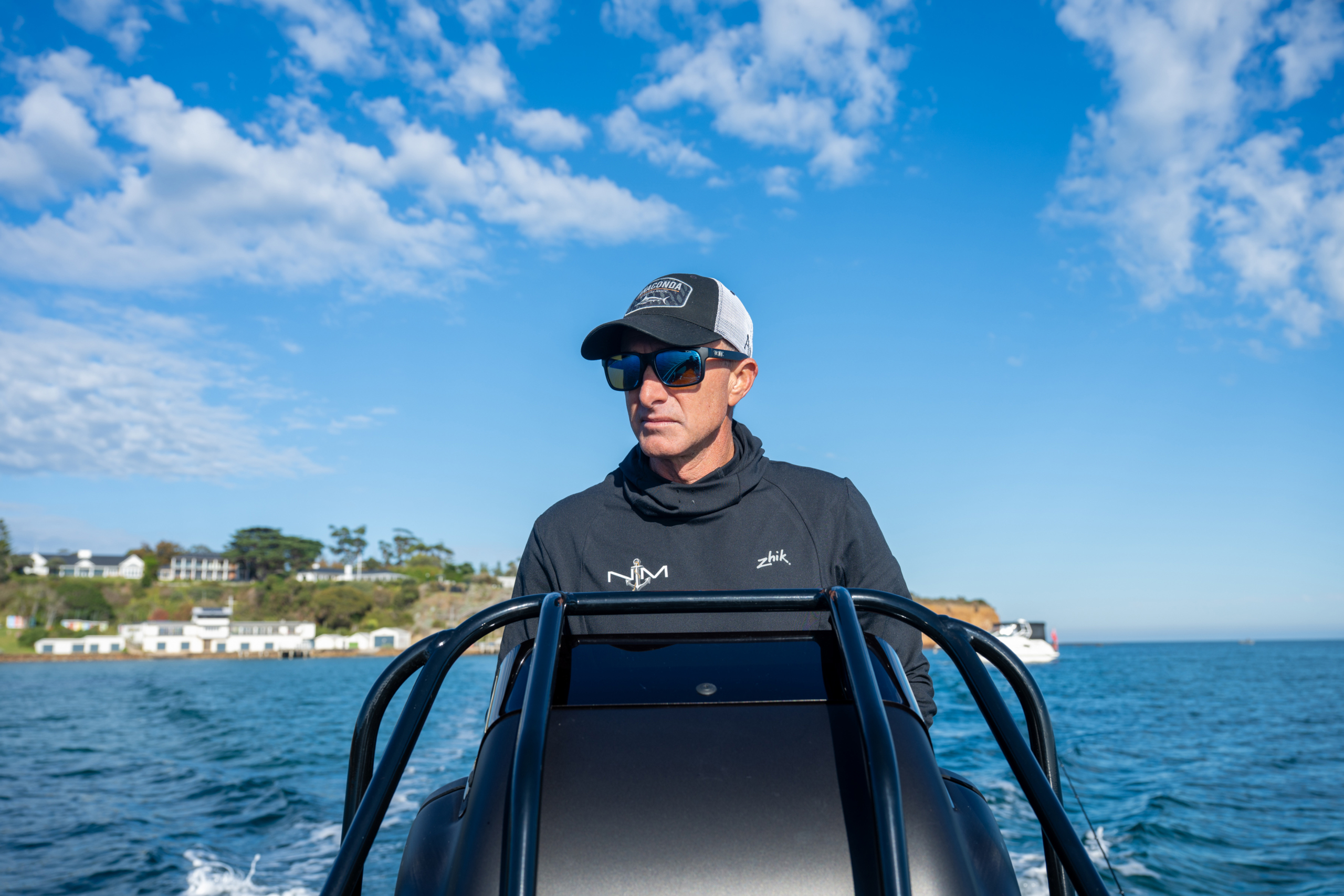
It’s often hard to break the cycle, and if what you’re doing is working then that’s all well and good – but what about when it’s not? No matter the species, there are times when you’re fishing a productive area, everything looks right, and the fish just won’t bite. These days it can be even more frustrating, with the technology we have at our disposal removing any doubt that the fish are there.
When this happens, you generally have two choices. One is to keep doing what’s worked before and hope for the best, even when nothing’s changing. Or try something different. That might mean a location change, or, as I personally like to do, switching up techniques. For instance, imagine everyone is fishing for marlin in an area and all towing live baits, marking fish on the sounders but not catching them. Instead of doing the same thing and hoping for success, maybe try pulling some lures. I’ve personally had plenty of days where the fish aren’t interested in a live bait, but a lure racing past a fish gets smashed.
This can also relate to lots of other forms of fishing. If lures aren’t working, try a bait. If live baits aren’t working, try a dead or cut bait. There are always options to try something different, and even if it’s not something you’ve done before, it’s often worth giving it a go. You may be pleasantly surprised.
BACK YOURSELF
Confidence is the key to success, and this only comes with time and catching a few fish. But if you do everything you can to put yourself in the best possible position to catch a fish, then confidence usually follows. Once you’ve caught a few fish in an area using one technique, it’s a great time to start looking at new areas or trying different techniques. If something looks good on the water, or stands out on your GPS chart, check it out. It might take a few trips to work out when it fishes best, but if you’re confident it will produce fish, in a lot of cases it will.
SHOULD I STAY OR SHOULD I GO?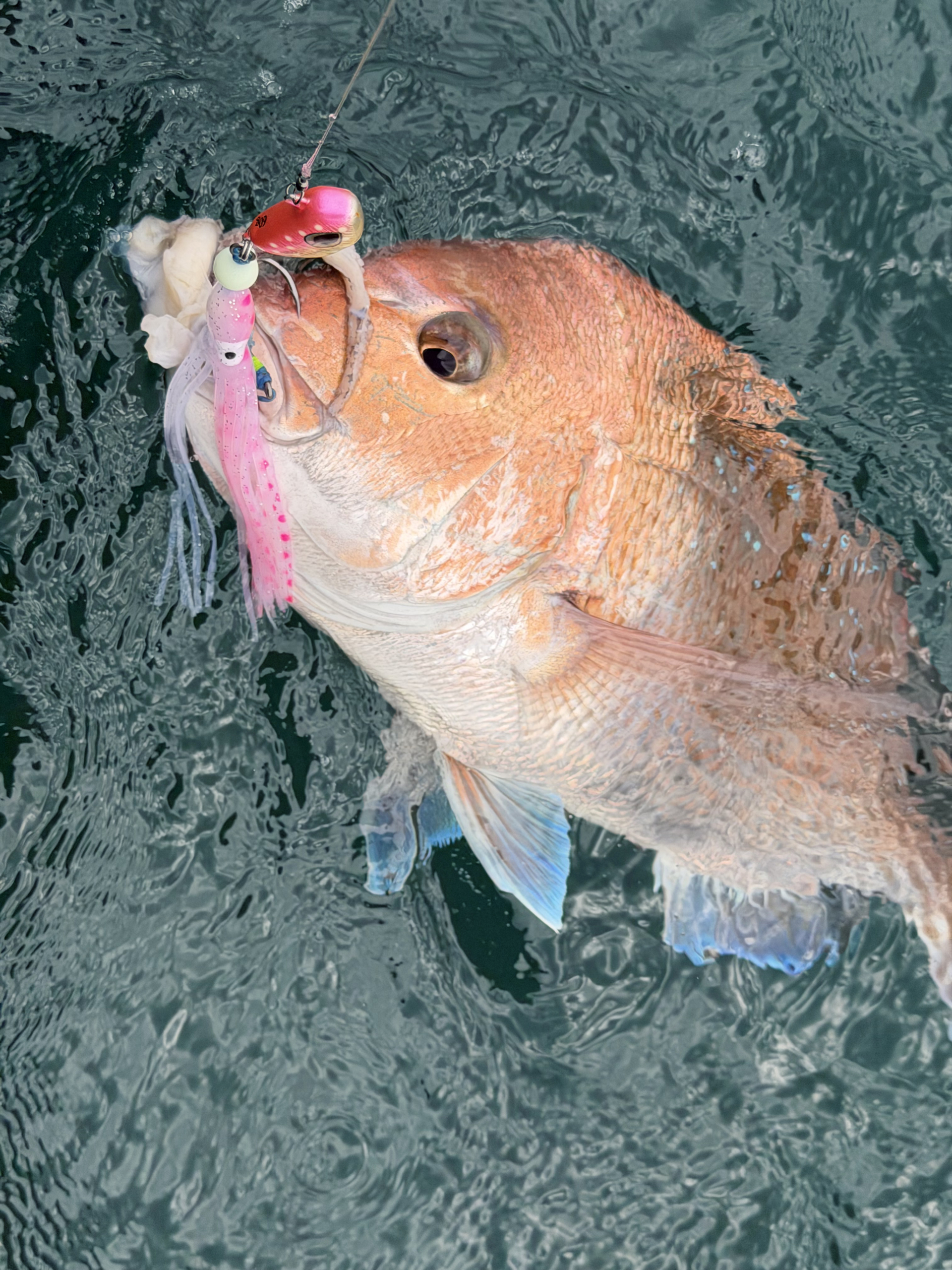
When you’re fishing an area and not catching fish, the question always comes up: should we stay, or move? I wish I had the answer, but in reality this is a decision only you and whoever you’re fishing with can make. There are a few questions I run through before moving on to another spot. One, have we sounded up fish in the area we’re fishing, or if land-based, does it look good – for example, have you seen baitfish in the area? And two, is there a moon rise or set, or a tide change coming in the next hour or two? If you’ve answered yes to these, it can be well worth sticking it out. If you’ve already passed a tide-change period, that’s often when I’ll change locations.
FIND NEW GROUND
Personally, I love finding new areas to fish, and in many ways this comes back to backing yourself. I’m always looking at mapping on my GPS, or the app on my phone, to try and pinpoint new areas that might be worth a look. Another good tip is to combine what you’ve learnt in other areas to find potentially successful ground in different locations. For example, there are a few estuaries I fish where I’ve caught mulloway in the same sort of bottom formation. By looking for similar formations in other estuaries on the charts, I’ve been able to find new spots and catch fish there as well. The best thing about finding new ground is that you’re building a larger network of spots and often finding productive areas away from the more commonly known locations.
TRY SOMETHING DIFFERENT
If you’re fishing an area that produces fish for other anglers, or new ground you believe has potential, don’t write it off after one trip. Give it multiple attempts at the right times. For example, if you didn’t catch fish there on a high-tide change, give it a shot on a low-tide change. Anyone who knows me will vouch for the fact that I’m always looking at different ways to catch a species or trying something new to increase the success of a day’s fishing. While I’m always happy to use proven techniques, it’s often trying something different that changes the day, or teaches you things that make future trips far more successful.
An example of what I’m referring to is catching snapper on soft plastics. Traditionally, this is done by casting the lure, letting it sink, then hopping it back with short, aggressive twitches. While this definitely works, I found through mucking around with LiveScope that when snapper were following a plastic, most of the bigger fish would peel away as soon as the lure was hopped in front of them.
So, I started employing a slow, steady roll with the lure – similar to how barra and cod anglers fish. Big fish will often bump the lure and then just eat it. There’s no aggressive bite, just a solid thump and the rod loads up. I’ve fished this method all through Victoria and NSW, from five metres of water right through to 35 metres, and it’s been dynamite in a wide range of situations.
What’s even more surprising is how this technique has, on multiple occasions, got me more and bigger fish than the bait rods I’ve had out at the same time. Other options can be as simple as trying a jig or SnapBait-style lure in areas you’d normally fish with a paternoster rig for bottom species. Hopefully, this article has given you a few ideas to help you catch more fish and the confidence to try something different next time you’re on the water.