
ADAM SMITH, OWNER OF AUSTRALIAN BOATING COLLEGE SYDNEY SHARES SOME IMPORTANT INSIGHTS ABOUT FIRST AID PREPAREDNESS FOR THE MARINE ENVIRONMENT.
Medical emergencies on the water are rarely as straightforward as those on land. Wet, unstable surfaces, changing conditions, delayed access to help and responsibility for others on board all raise the stakes for skippers and boat owners. That is why first aid skills for boaters should be considered an important part of safe boating practices.
When first aid stops being a ‘just in case’
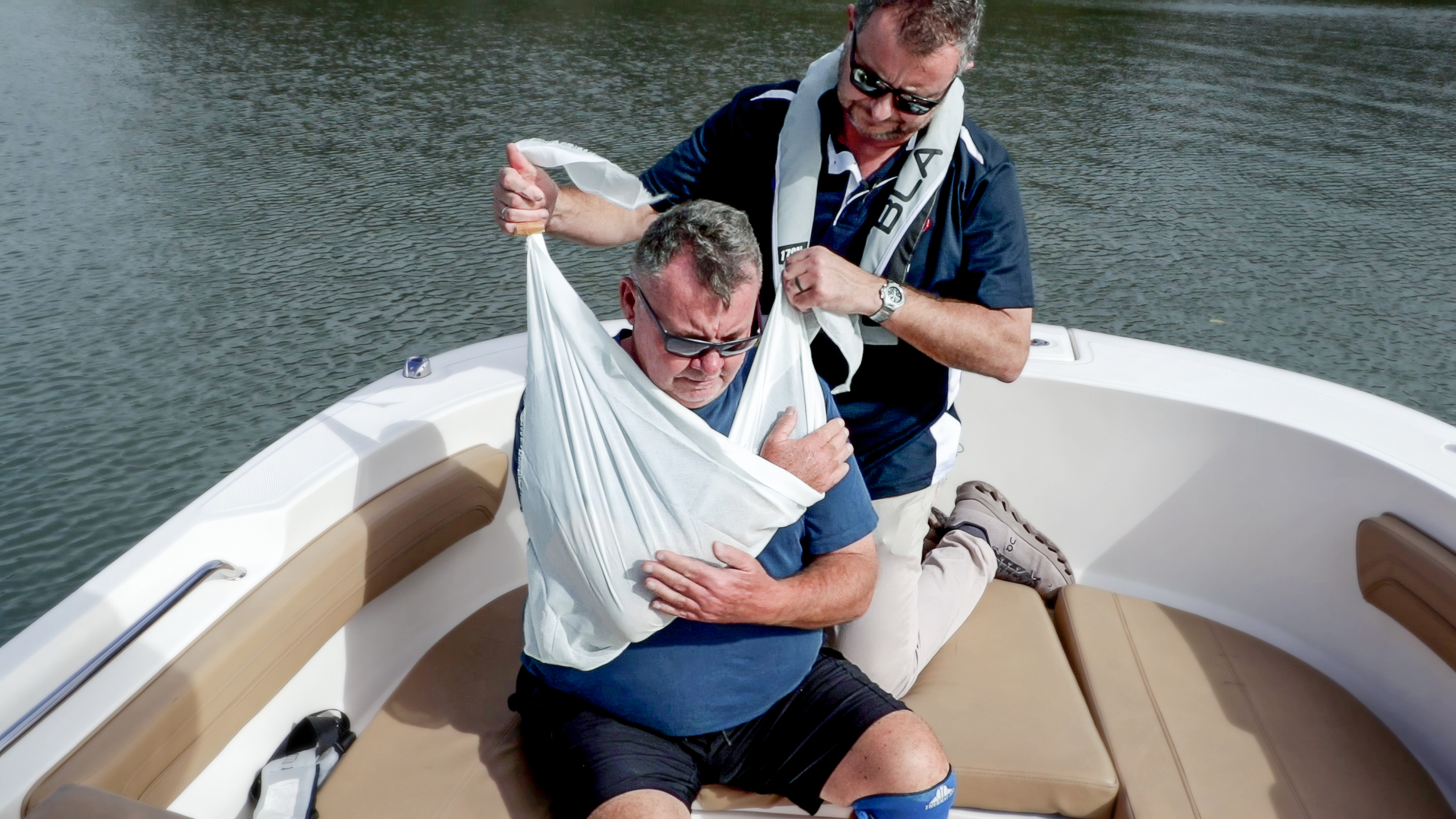
When people think about first aid, they often picture a minor cut, a sprained ankle, or something that can be managed until professional help arrives. For many recreational boat owners, first aid can feel like something you hope you will never need. On the water, however, emergencies rarely follow that script. Slips, trips and falls, concussions and head injuries, burns, cuts and bleeding, fishing hooks, exposure to hot and cold weather, dehydration, seasickness and hypothermia are all realistic possibilities on a boat. The exact situation may vary, but the need to be prepared does not. As skipper, you are responsible not only for the safe operation of your vessel, but also for the welfare of your guests or crew and your impact on other waterway users. Just as you would show people where safety equipment is kept and make sure life jackets are worn when required, being ready to deal with a medical emergency is part of that duty of care.
Why risk is higher on the water
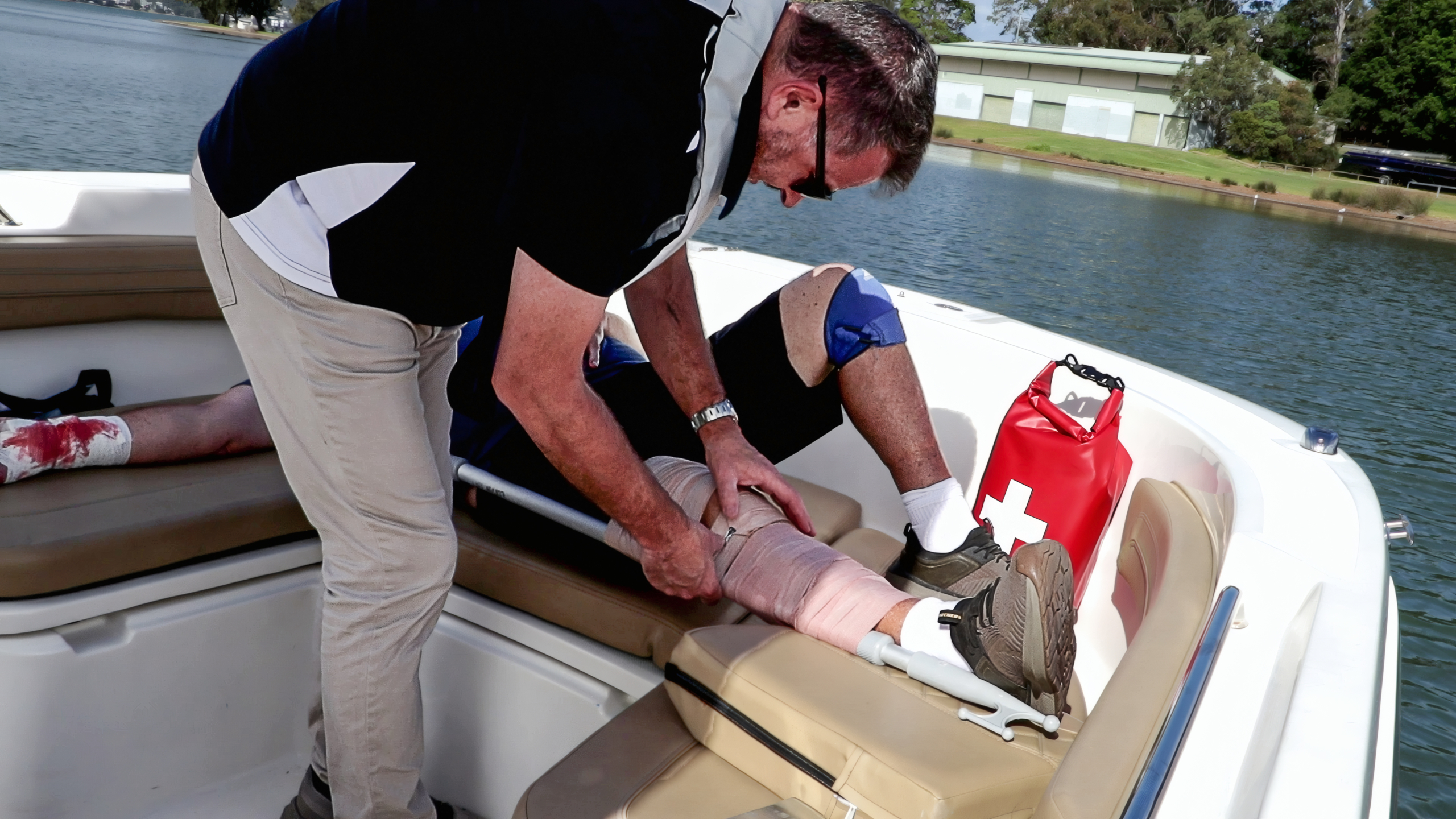
Some hazards are unique to boating, and others are simply more common on the water than on land. More experienced boaters may manage these risks almost without thinking, but less experienced guests or novice boaters may not recognise what can go wrong until it does.
Movement is constant and can be unpredictable. Surfaces are wet, hard and unstable. Ropes, sheets and lines can carry extreme loads and cause significant injury. Environmental factors also add to the risk. Sun, wind and cold accelerate fatigue, dehydration and shock, while wet clothing can worsen cooling when the boat is moving at speed. Some guests may not have your level of boating experience or understanding of how to move safely around your boat. They will often look to you for guidance and instruction about what to do and what not to do – that makes preparedness part of good skippering.
When help is not just minutes away
On land, first aid often focuses on maintaining the chain of survival: early recognition and assistance, early CPR or primary treatment, early access to an automatic external defibrillator (AED), and early advanced care from paramedics. On the water, that chain can be disrupted by distance, access and weather.
On land, it may only take 10 minutes for an ambulance to arrive and take over care. Out on the water, even in enclosed waters, that timeframe could easily exceed an hour. In those situations, the actions taken in the first few minutes can shape the outcome. You may also be managing the casualty for much longer before help arrives.
Why standard first aid training and kits can leave gaps
Aside from commercial vessels and sailing\ vessels participating in organised events, there are limited requirements for recreational boats to carry a first aid kit or have first aid skills onboard. Most state regulators recommend or encourage both. In practical terms, it comes back to a simple principle: you are the skipper, and you are responsible for your boat and the people on it.
Most recreational boaters want to do the right thing and will carry a first aid kit onboard their boat. Many boaters may also have completed a workplace-style HLTAID011 – Provide First Aid course at some point. However, the marine environment often demands more. Most standard first aid courses and kits are designed for workplaces, schools or home use. They assume quick access to emergency services, a stable environment and relatively short patient care times. Out on the water, the risks are different, dynamic and frequently unexpected. Add delayed access to help, and training and equipment gaps become clearer.
Understanding the different first aid course types
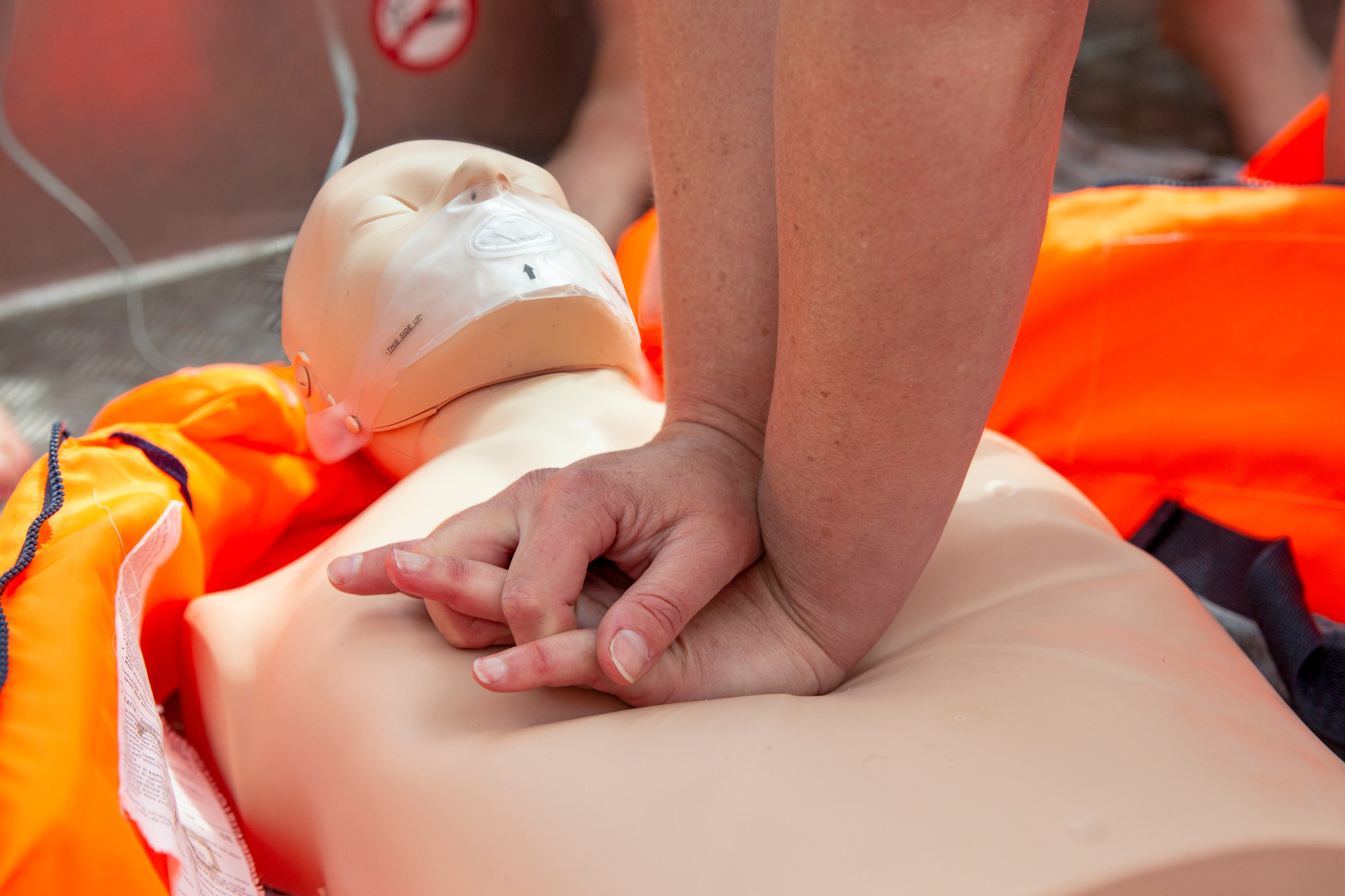
The most common first aid course on offer is HLTAID011 – Provide First Aid. It is a strong starting point for providing standard, basic first aid and is designed for environments like workplaces and schools. Out on the water, many skippers will benefit from taking their skills further through additional first aid courses. These include a remote area course to help keep someone alive and manage when help is delayed (HLTAID013 – Provide First Aid in Remote or Isolated Site) and/or an advanced first aid course which allows you to manage more complex incidents and coordinate the response (HLTAID014 – Provide Advanced First Aid). A specialised marine first aid course may also bring remote-area and advanced first aid content together in a way that is more relevant to boating.
The right gear
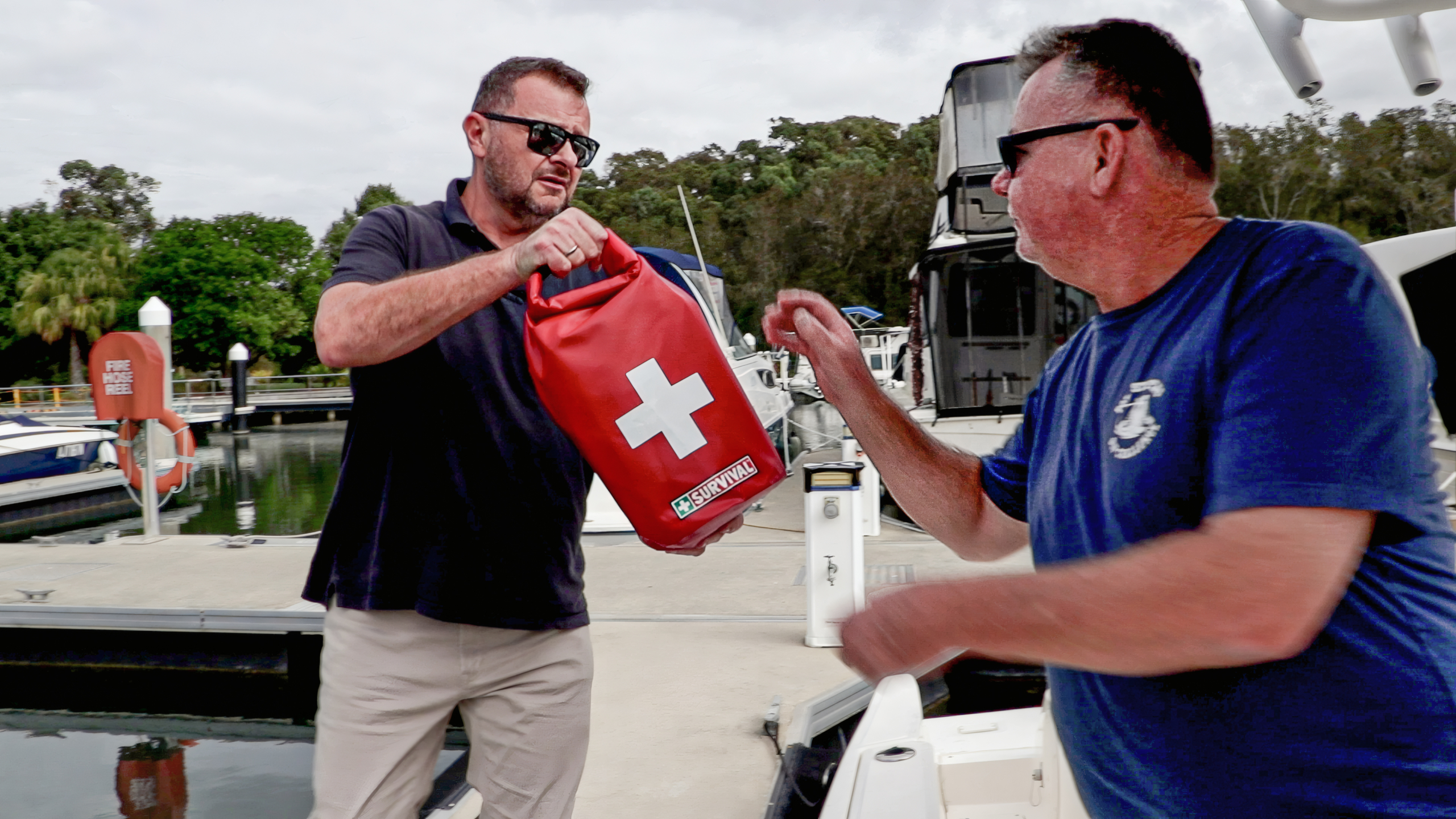
The right gear matters in boating, and emergency response should be no different. In the same way that clothing, equipment and supplies used at home or work may not suit the marine environment, first aid skills and equipment should also be tailored to boating conditions. A first aid kit designed around boating risks will be far more useful than one intended for the office, home or car. Start with a good-quality kit, add the extra items you want to have available, and store it securely in a waterproof dry bag rather than a brittle plastic box that may fail when you need it most.
Preparedness builds confidence
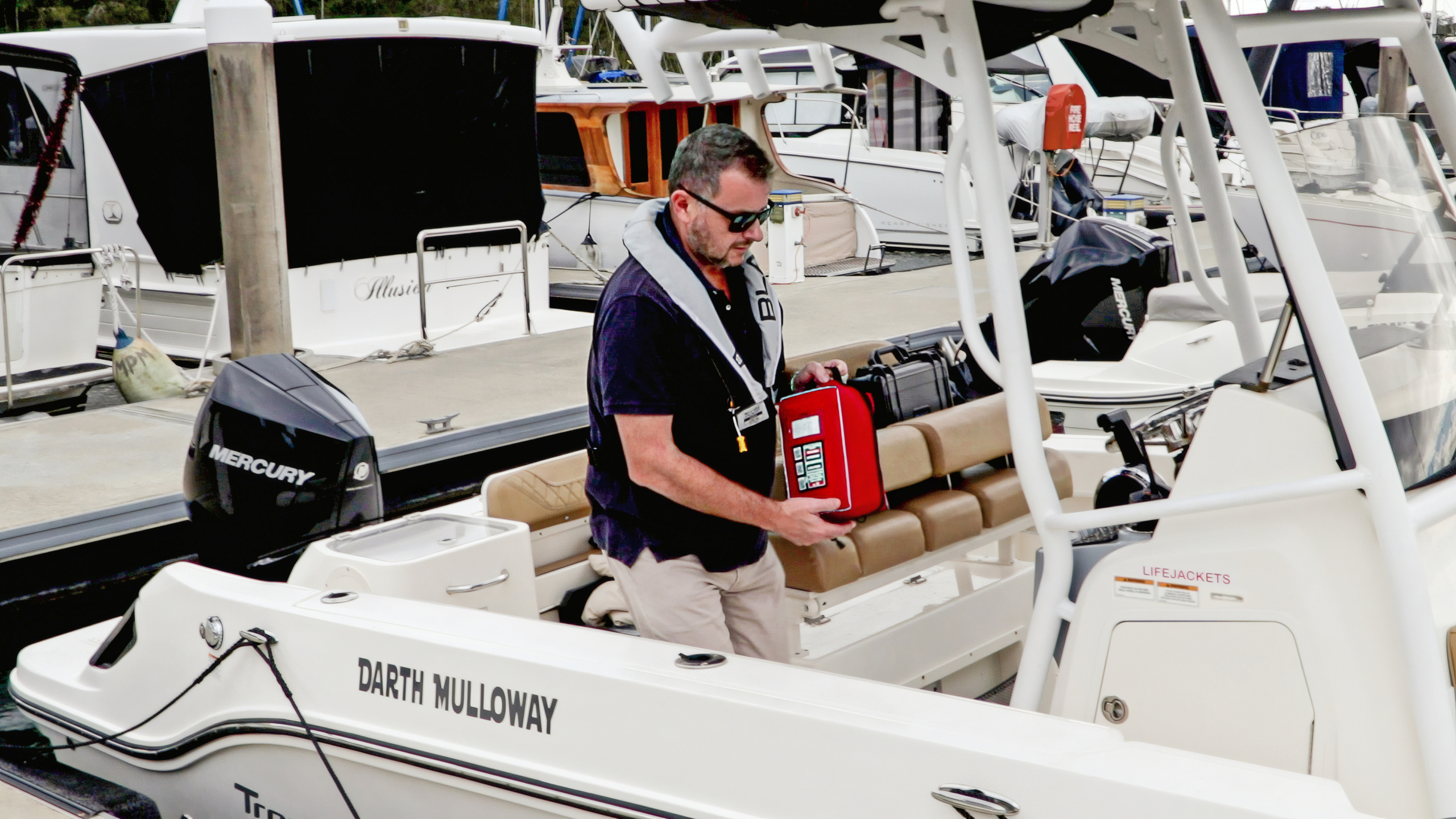
Effective marine first aid is about preparation, not panic. Self-reliance is critical until help arrives. Good first aid training makes skippers calm, capable and confident in emergency situations and is an important part of responsible boating. In a marine environment where help may be distant and conditions unpredictable, our duty of care as skippers should extend beyond navigation and seamanship to medical preparedness as well. A useful question for every skipper to ask themselves is this: if help were delayed and someone on board needed you, would your first aid skills and kit be up to the job?
Visit marinefirstaid.com.au