
Dan Duemmer, Deputy Commissioner, Marine Rescue NSW.
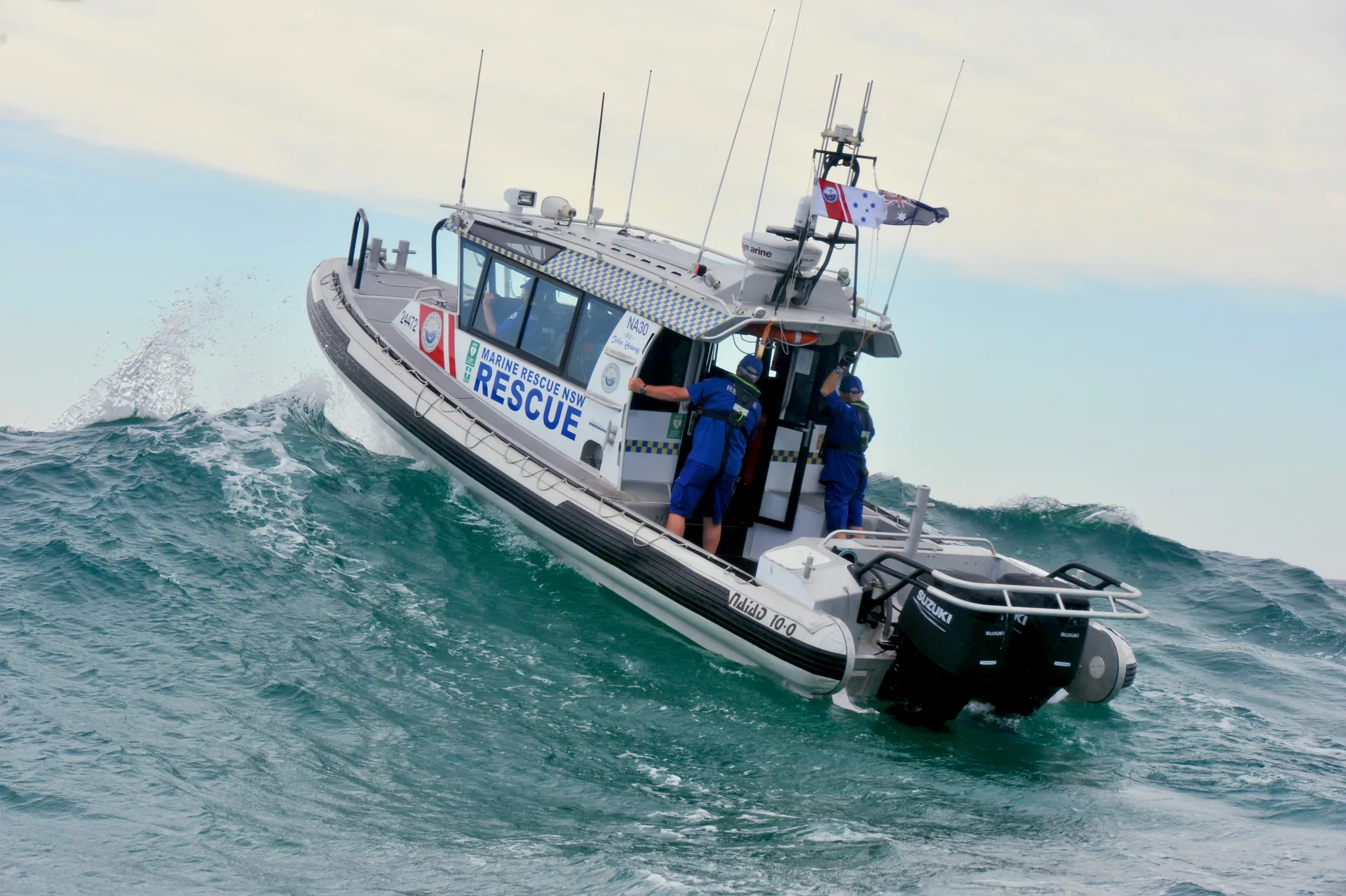
Winter boating can be beautiful, but it is also far less forgiving than in warmer seasons. As we move into the colder months, cold water, shorter daylight hours and unpredictable weather all raise the stakes when heading out on the water. Staying safe this winter means understanding the additional hazards this season may bring on the water. The colder months often deliver rougher conditions, including stronger winds and larger, more powerful and unpredictable waves. Here is how to stay safe and enjoy yourself:
- Being aware of weather patterns and forecasts is essential before heading out. Regularly monitor weather updates, as conditions can change rapidly with little notice. Understand your vessel and your own capabilities and set clear parameters for weather conditions to guide your decision on whether to go or not.
- Following periods of heavy rain, watch for debris or submerged objects that may have washed into waterways and offshore. Large rain events can leave significant debris, which may take weeks to clear from some waterways.
- Shorter daylight hours mean reduced visibility, so ensure your navigation lights are working and be mindful of the added dangers of boating in poor light or darkness, such as unlit vessels, navigational markers, and shallow areas.
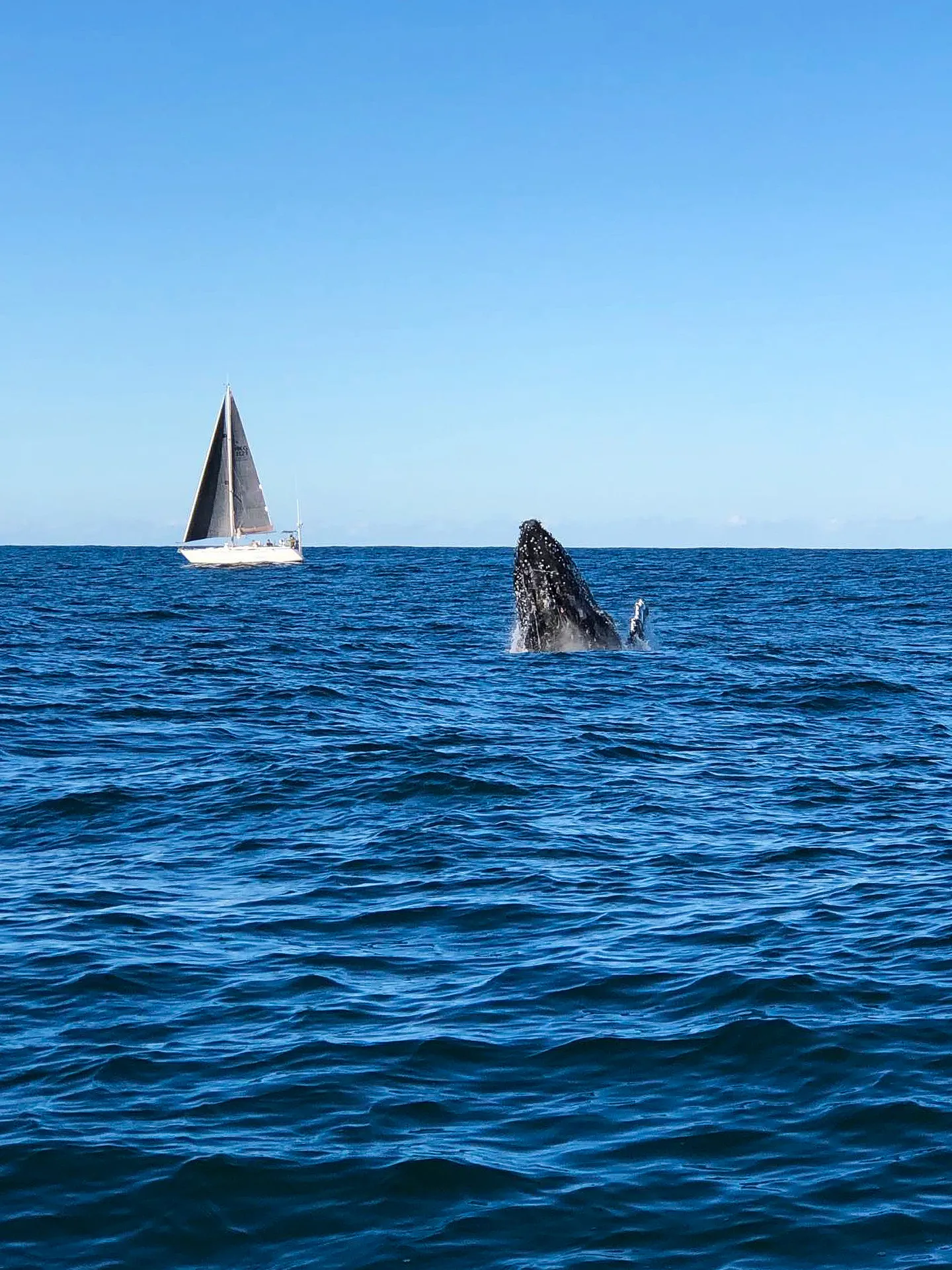
- Winter is also peak season for whale migration. We are fortunate to see whale numbers increasing to the point where sightings offshore are highly likely during peak season. However, this comes with risk, and there are too many incidents where vessels have either collided with whales or approached far too closely.
- Clear approach rules protect both whales and boaters in NSW: maintain at least 100m from all whales and 300m from a whale and calf. Always check and follow local regulations.
- Keep your distance from any marine mammal and operate at a reduced, safe speed around known whale hotspots.
- If you fall into the water, colder temperatures significantly increase the risk of hypothermia. Be prepared by taking additional warm clothing and always wear your life jacket.
Remember:
when conditions seem uncertain, it is best to stay ashore. No trip is worth putting your life or others’ lives at risk.
Visit marinerescuensw.com.au
David Watson, Recreational Boating Safety Officer, Marine and Safety Tasmania (MAST).
Boating in winter comes with extra challenges, so it is important to be well prepared and stay alert. Colder air, lower water temperatures, unpredictable weather, and shorter days can all increase the risks when on the water. Even experienced boaters can be caught out by sudden changes in conditions or unexpected equipment problems, which are more common in winter. Understanding these risks and taking sensible precautions can help make your day on the water safe, enjoyable, and one to remember – for the right reasons. Key points to help boaters prepare for and enjoy safe winter boating trips include:
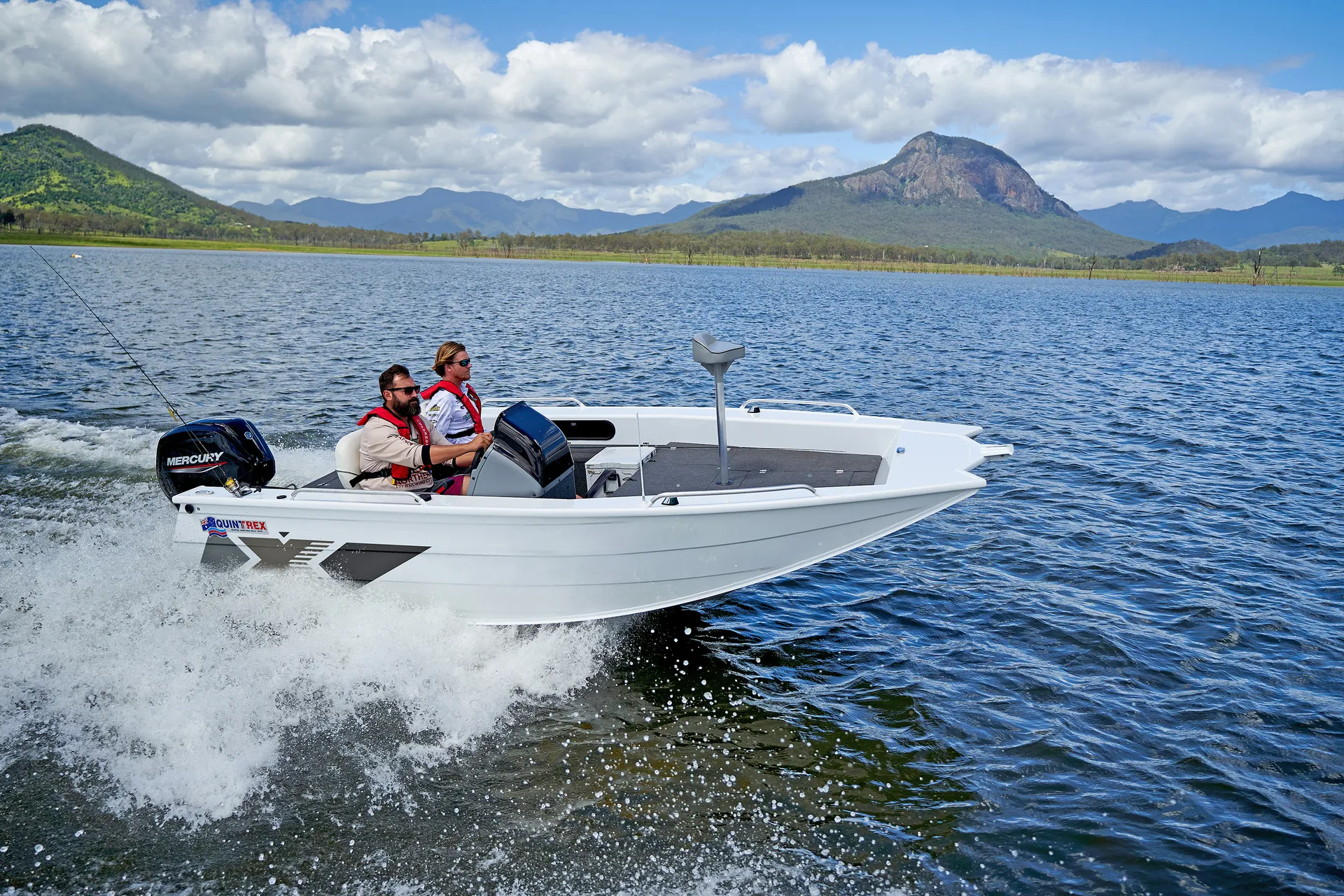
Always wear a life jacket.
Wearing a life jacket in wintry conditions is essential for personal safety. Cold water can rapidly impair breathing, muscle control, and strength, increasing the risk of a person going into shock and drowning. Research shows that in water temperatures below 15 °C, muscle strength and coordination are significantly reduced within 10–15 minutes often making self-rescue impossible. A properly fitted life jacket provides immediate buoyancy, allowing a person to remain afloat with minimal effort even when their physical ability is compromised. A life jacket also helps keep a person’s airway clear of water and maintain a safer body position, significantly increasing survival time until rescue arrives.
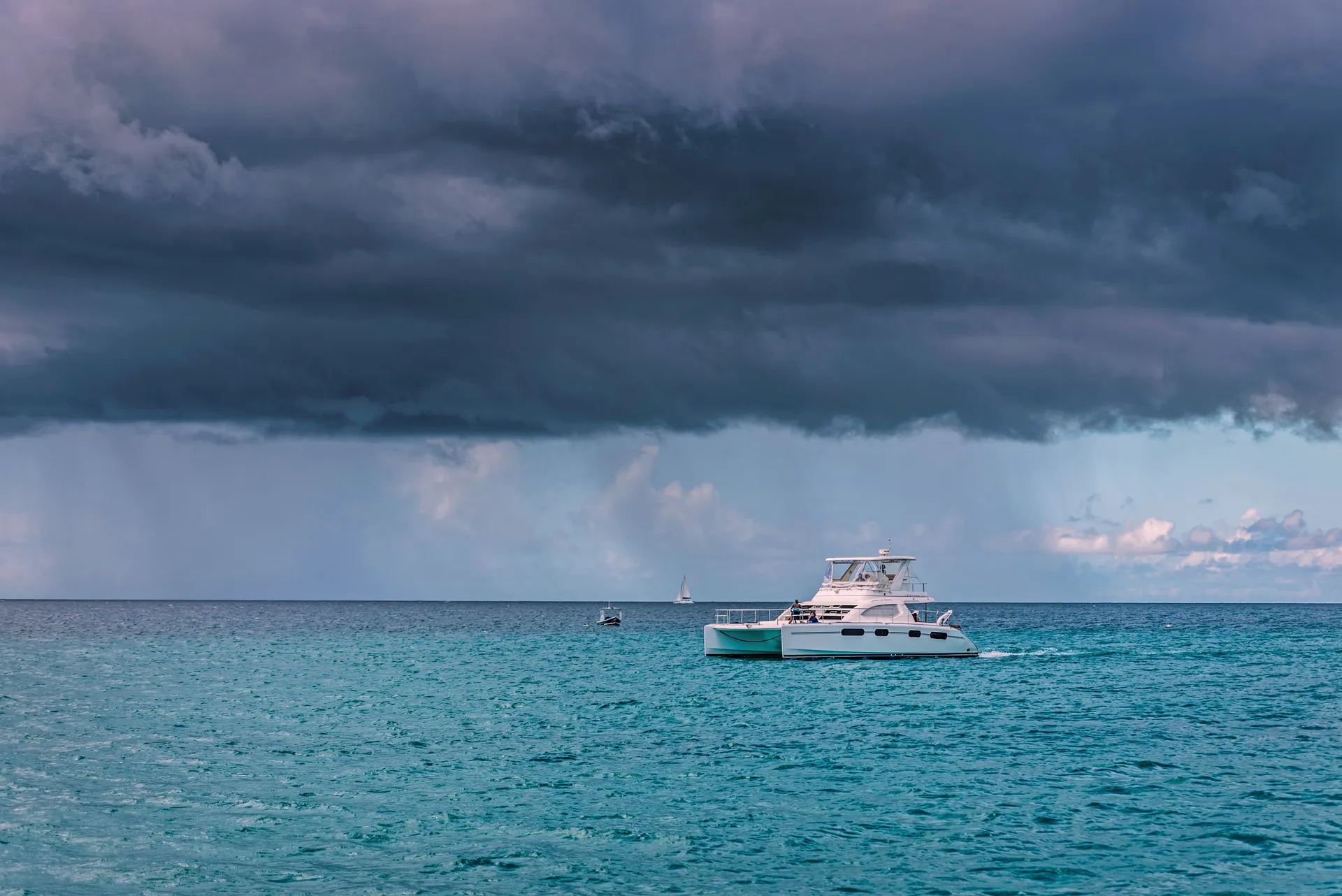
Regularly checking weather conditions is essential.
Winter weather can change rapidly, with increased hazards due to intense winds, rough seas, reduced visibility, and sudden drops in air temperature. Checking forecasts from reliable sources, such as the Bureau of Meteorology, and paying attention to observations from nearby weather stations also reduces the risk of encountering rough conditions, improves decision-making, and supports a safe return to shore. Boaters should check the weather forecast before departure and regularly during the voyage.
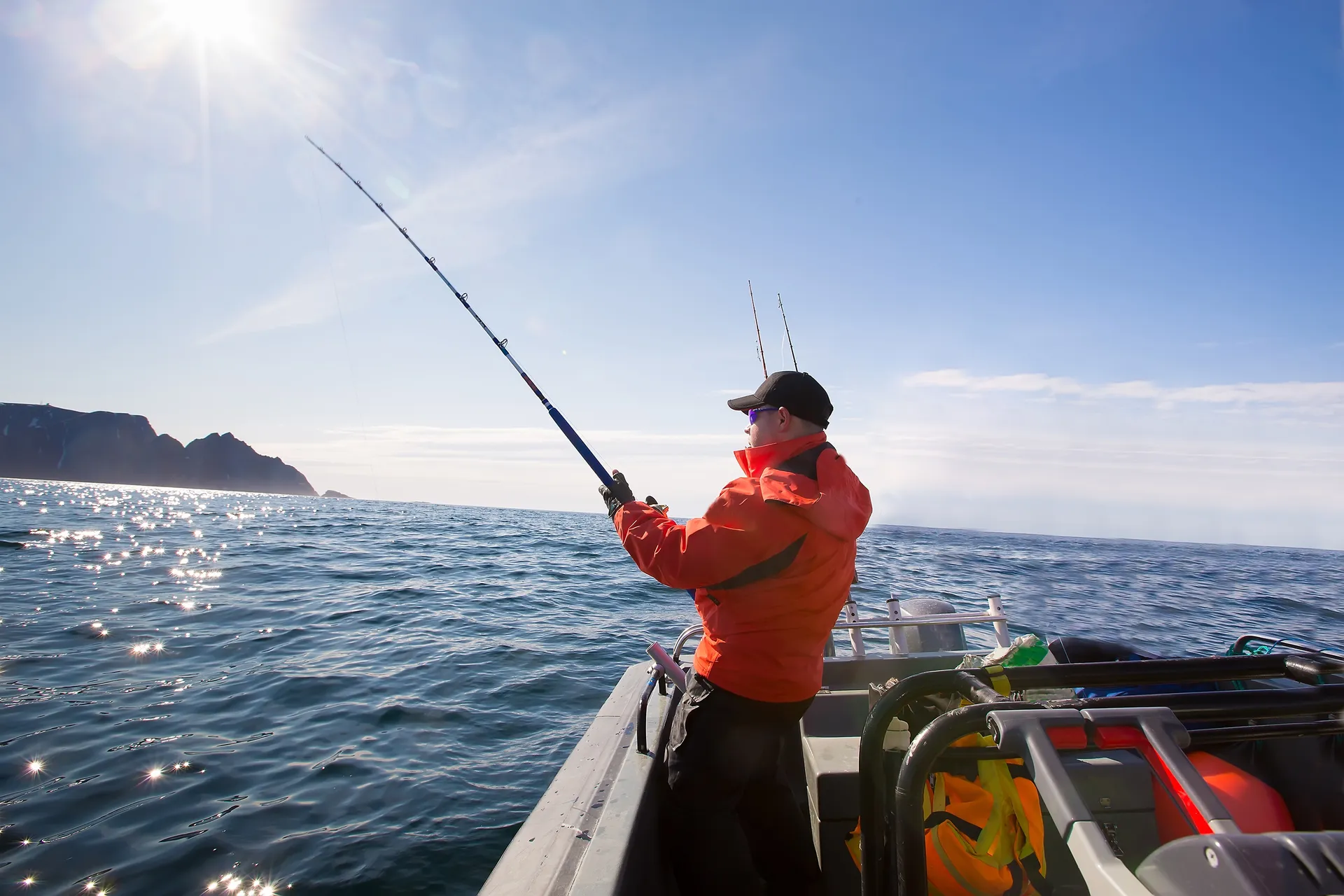
Always wear appropriate clothing when boating.
Low air and water temperatures increase the threat of hypothermia and cold shock if a person is exposed to harsh elements or immersed in water. Suitable clothing, such as thermal layers, waterproof and wind-resistant outer layers, and insulated footwear, helps retain body heat and protect against heat loss. Appropriate clothing also improves comfort, reduces fatigue, and significantly increases a person’s survival time in extreme cold conditions. Carrying spare clothing to change into is a good idea, should people onboard get wet. Make sure spare clothing is stored in a waterproof bag and within easy reach.
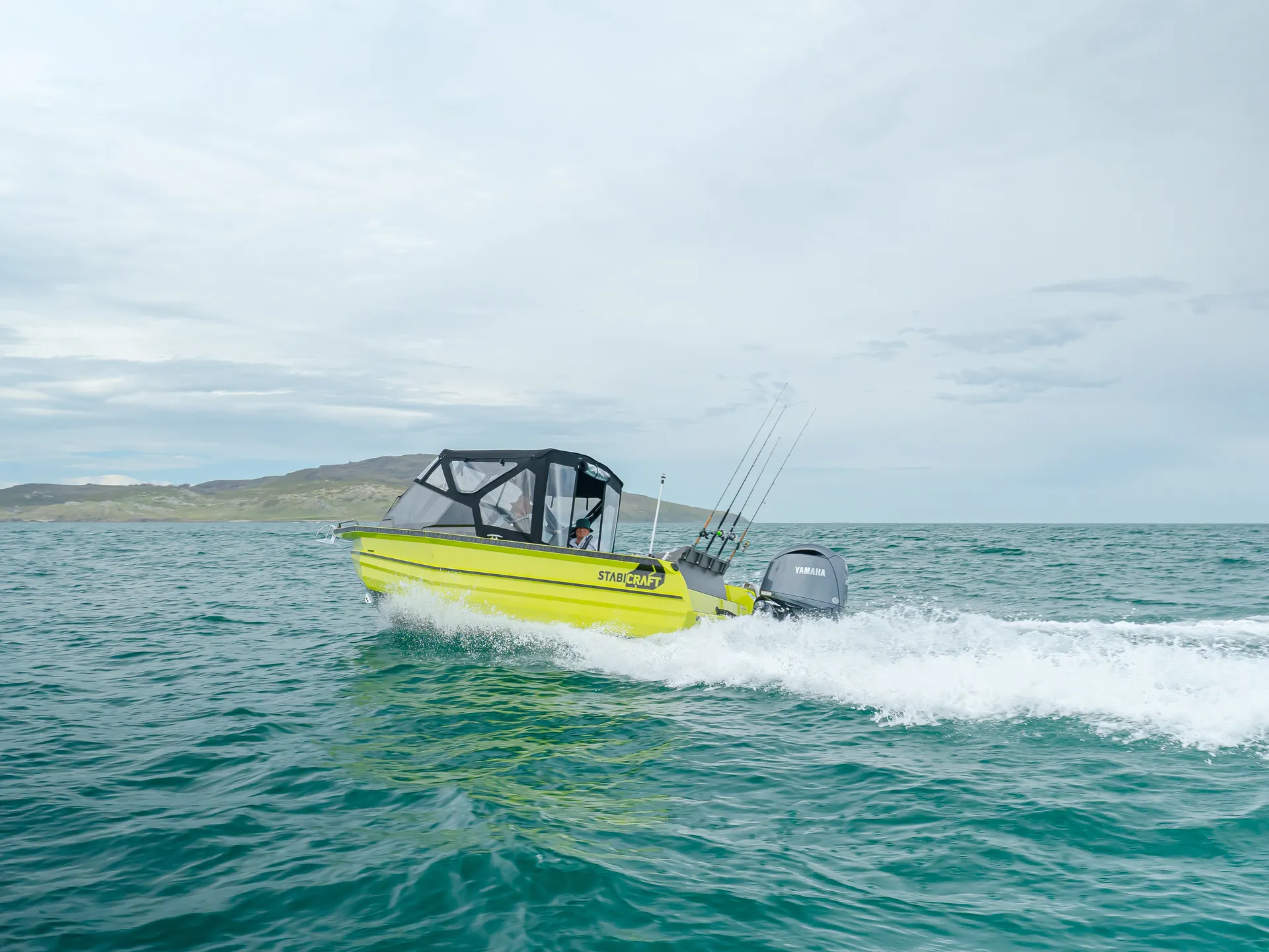
Prepare your boat for cold conditions.
Winter weather can put extra strain on boats, engines, and onboard systems. Appropriate vessel preparation and maintenance will improve a boat’s reliability and safety, reducing the risk of breakdowns when on the water. Ensure batteries are tested and kept charged, and inspect wiring for loose connections, wear, and corrosion. Regularly test your boat’s navigation lights, radios, GPS, bilge pumps, switches and service engines and check fuel systems. Keep fuel tanks full to reduce condensation and fuel contamination; drain water separators regularly; and inspect lines for signs of hardening or cracking.
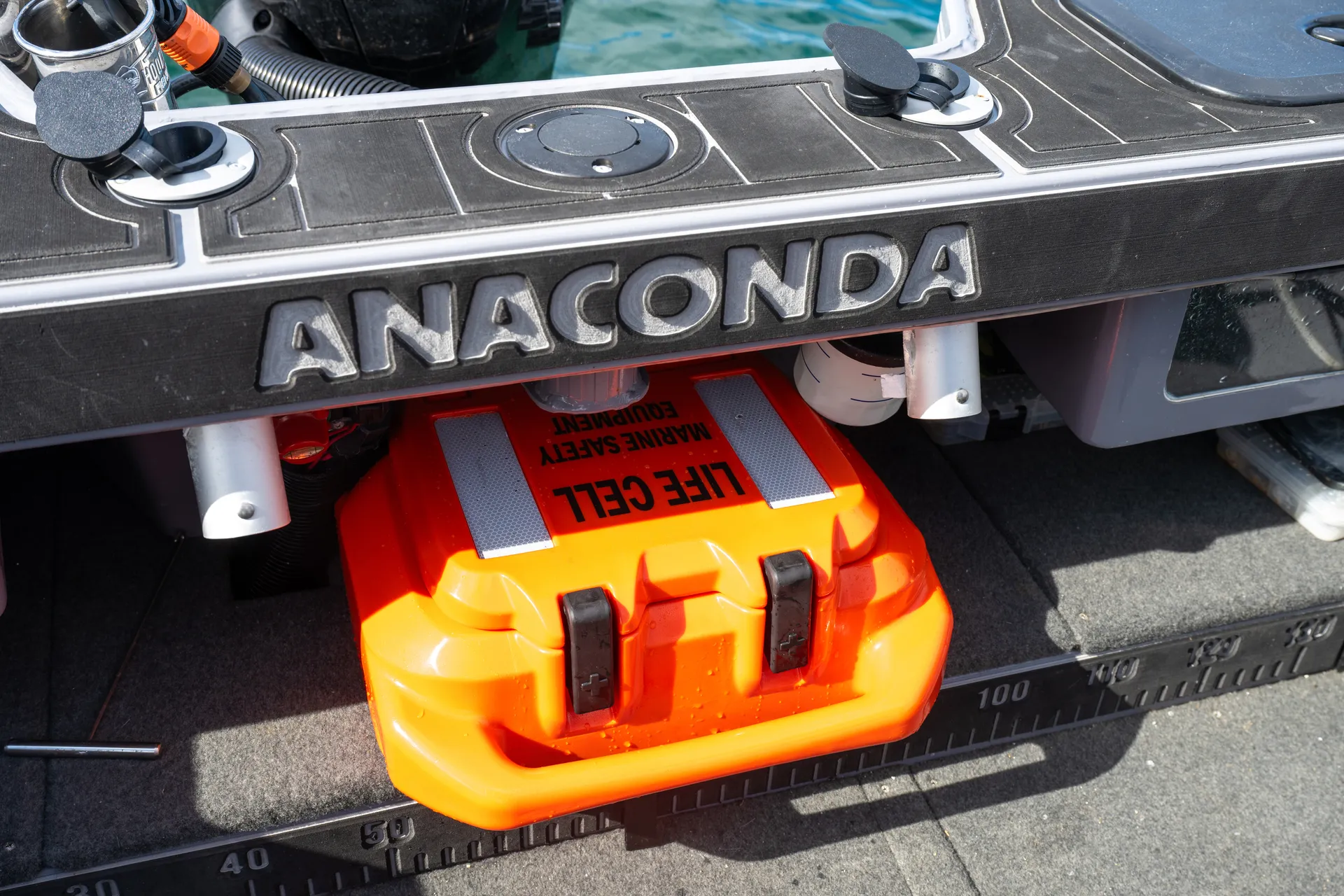
Double-check that required safety gear is on board, easily accessible, and in good working condition.
Boating safety requirements vary across Australia and New Zealand, so boaters must check local regulations to understand which safety equipment must be carried on vessels. Regularly checking the condition of safety gear is essential for everyone’s safety on board, as in an emergency, it is imperative that safety equipment functions correctly and is easily accessible. Faulty, damaged, or expired gear can turn a manageable emergency into something much more serious. Remember, damp and salty environments rapidly degrade equipment. Safety equipment must be kept dry, all crew members must know where it is stowed, and how to use it so that all on board are prepared should a situation occur. For backup, carry extra items, such as spare torch batteries and a waterproof pouch for your phone.
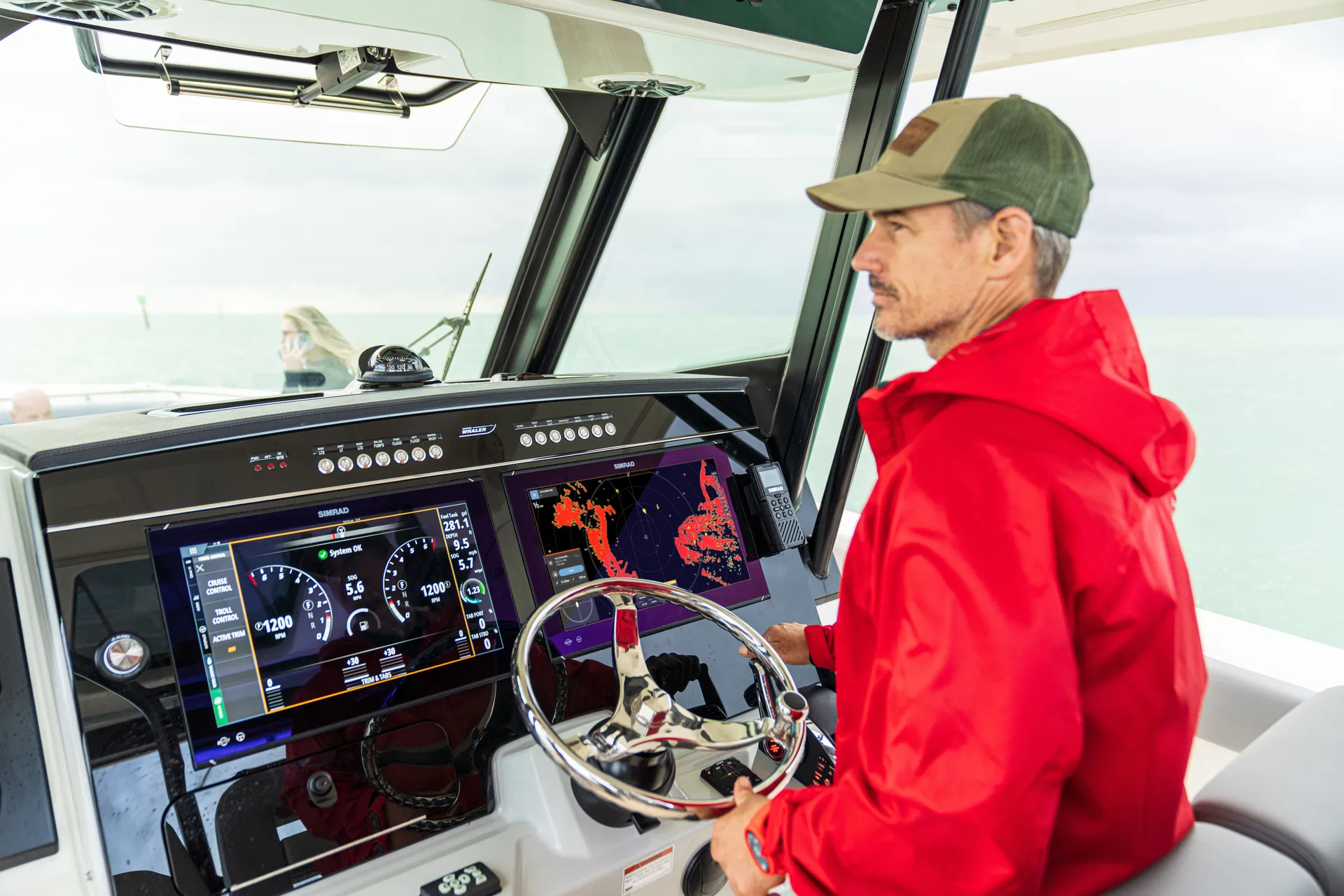
Ensure someone knows your plans.
Every moment matters in a search-and-rescue situation. With less daylight during the winter months, emergency services need detailed information to improve your chances of survival should something go wrong on the water. Letting a dependable person ashore know a trip’s route and return time, who is on board, and the vessel’s details helps to deploy a quick response and an accurate search area for emergency services.
By understanding the risks of boating in winter and taking simple and considered precautions, boaters can greatly improve their safety on the water. Being prepared, staying informed, and telling someone where you are going help to ensure every winter outing ends with a safe return home.
Visit mast.tas.gov.au