
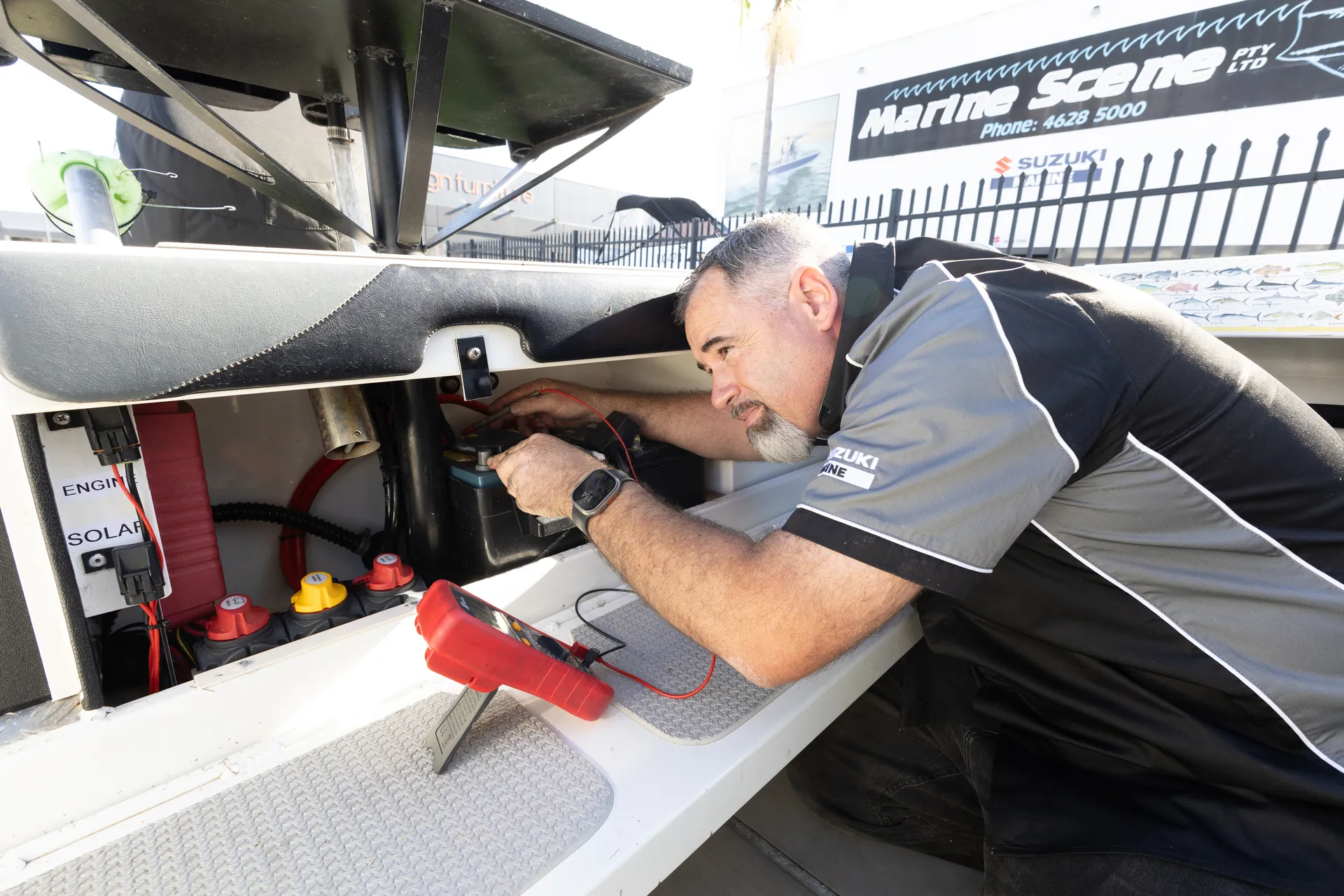
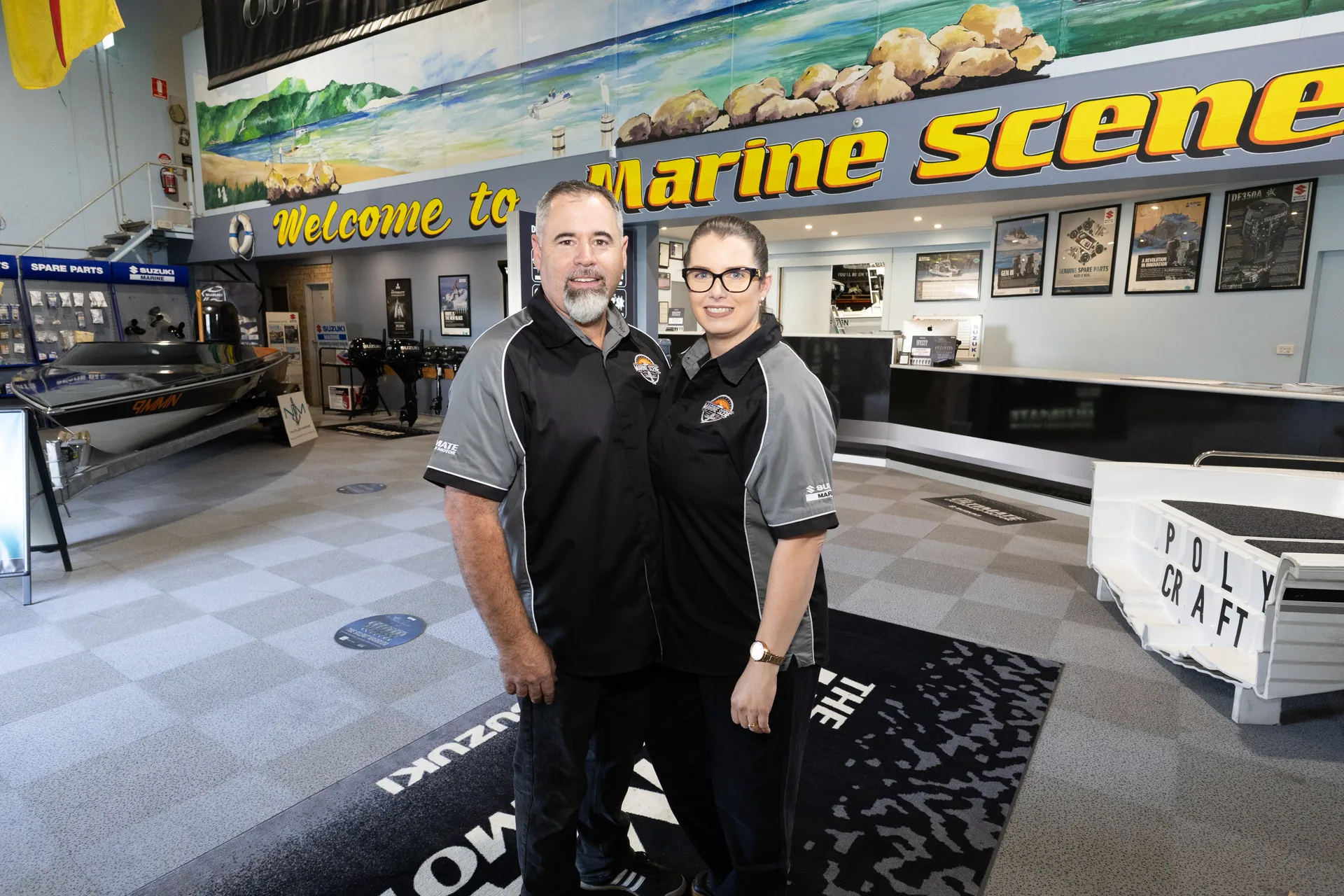
“Fitting out or repowering a boat is about far more than simply choosing an engine,” says Drew Kellaway, Managing Director of Marine Scene, which has been servicing Campbelltown’s marine community since 1989.
“The right setup can significantly impact performance, safety, reliability, fuel efficiency, and the overall boating experience. At Marine Scene, we take a practical, customer-focused approach and work closely with owners to ensure their vessel is matched to the way they actually use it – whether that’s offshore fishing, family cruising, towing water sports, or long-distance boating. Here are 10 key technical considerations we believe every boat owner should think about before upgrading or repowering their vessel.”
1. How your old outboard performed
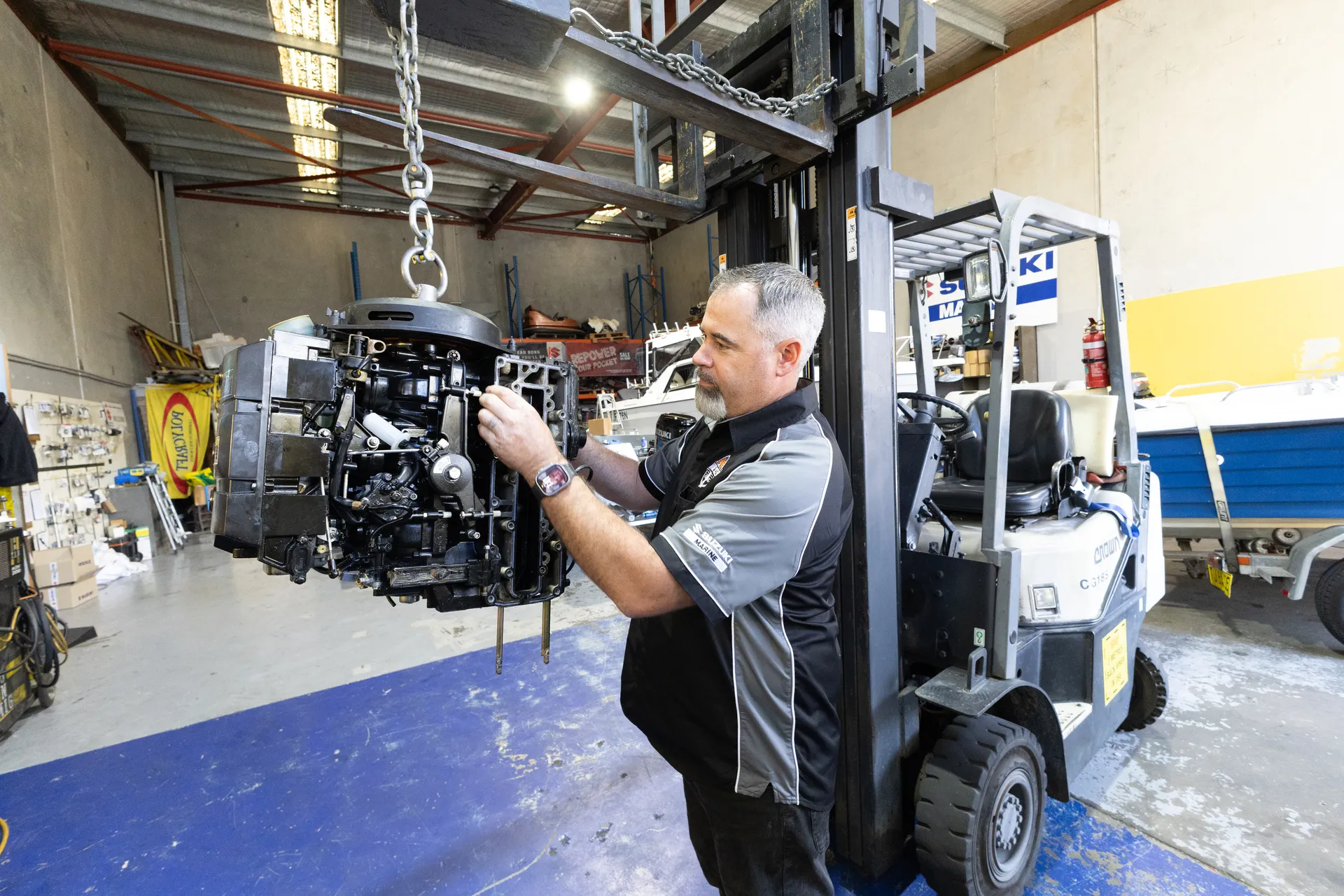
Your previous engine setup can provide valuable insight into what worked well and what didn’t. Consider factors such as fuel economy, reliability, hole-shot performance, cruising speed, noise levels, and overall power delivery. Understanding the shortcomings of your previous outboard helps ensure the replacement engine better suits your boating needs and expectations.
2. The hull’s maximum horsepower rating
Every vessel is designed with a maximum horsepower rating that should never be exceeded. This rating is determined by the hull design, buoyancy, transom strength, and handling characteristics of the boat. Choosing an engine within the manufacturer’s specifications helps ensure safe operation and optimal performance without overstressing the hull.
3. What you need the rig to do
The intended use of the vessel should heavily influence engine selection and fitout configuration. Long-distance offshore boating may prioritise fuel efficiency and reliability, while water skiing or towing applications may require stronger acceleration and torque. Cruising setups may focus more on comfort, quieter operation, and low-speed efficiency. Matching the engine package to the vessel’s primary purpose improves overall usability and owner satisfaction.
4. Condition of the hull
Before repowering, it is important to assess the structural condition of the vessel itself. Aluminium boats should be inspected for cracks, fatigue, corrosion, and weld integrity, while fibreglass boats should be checked for transom weakness, water ingress, and signs of rot or delamination. Installing a new engine onto a compromised hull can create safety risks and lead to costly repairs later.
5. Features of the particular outboards
Modern outboards offer a wide range of technologies and features that can greatly influence the boating experience. Integrated steering systems, digital controls, electronic throttle and shift, trolling modes, charging output, and onboard diagnostics all vary between models and manufacturers. Understanding these features helps owners choose an engine package that best suits their style of boating and level of technology preference.
6. Manufacturer’s warranty
Outboard warranties can vary significantly between manufacturers and may include differences in coverage periods, commercial-use limitations, servicing requirements, and corrosion protection policies. Understanding what is covered – and what isn’t – can be just as important as the engine specifications themselves. A strong warranty backed by reliable dealer support provides valuable peace of mind for long-term ownership.
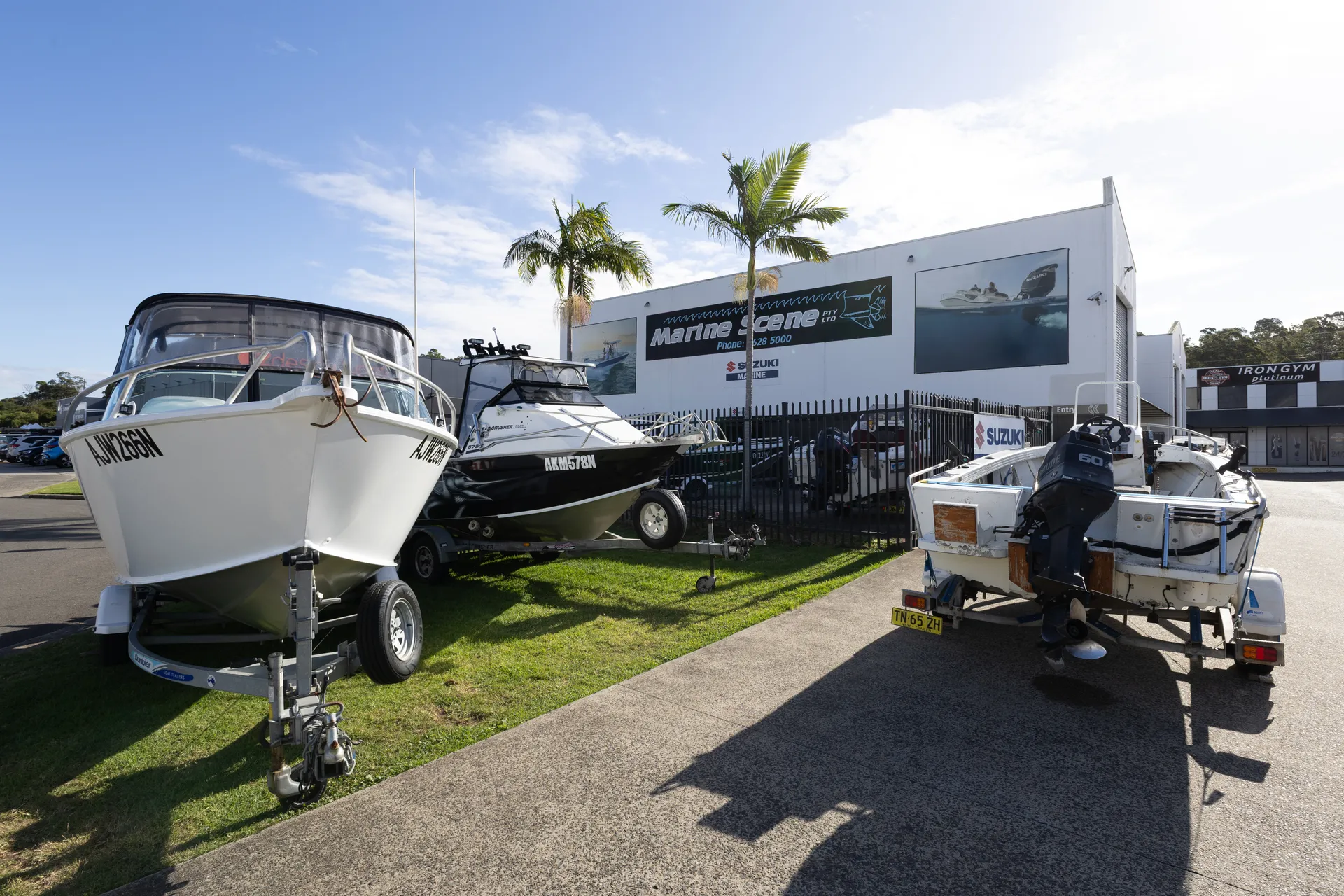
7. Local dealer relationship
A good relationship with a trusted local marine dealer can make ownership significantly easier over time. Access to experienced technicians, warranty support, genuine parts, and reliable servicing becomes especially important during peak boating seasons. Choosing a brand with strong local support can reduce downtime and simplify ongoing maintenance.
8. Engine technology, weight and performance
Advancements such as lean burn fuel systems, dual overhead cam designs, offset driveshafts, and variable valve timing have significantly improved modern outboard performance and fuel efficiency. However, engine weight also plays an important role in hull balance, ride attitude, and transom loading. Selecting the right combination of technology, weight, and horsepower helps maximise performance while maintaining safe handling characteristics.
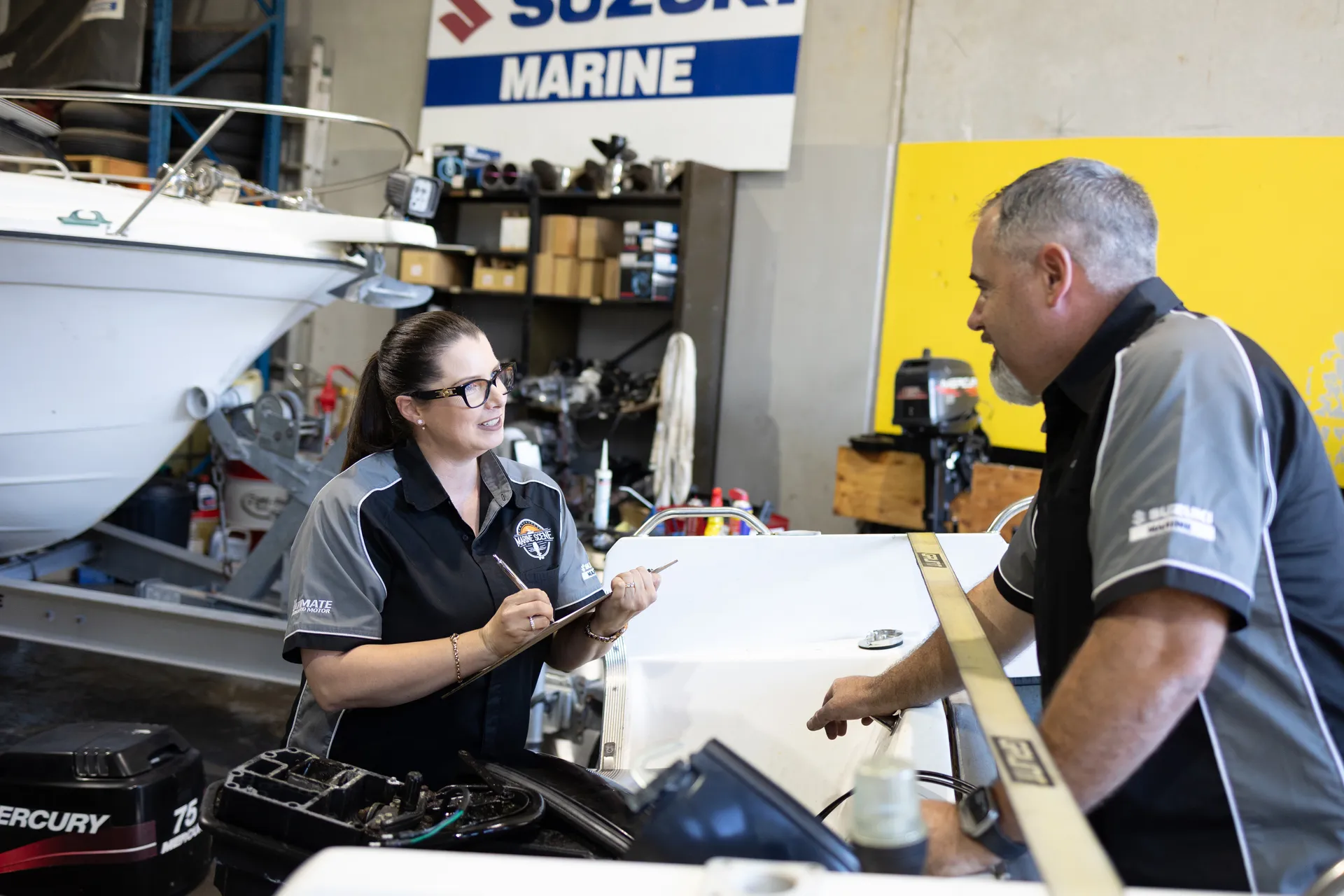
9. Maintenance schedule and running costs
Servicing requirements and ongoing maintenance costs should always be considered before purchasing or repowering. Different outboard brands and engine types can vary in service intervals, parts pricing, and labour requirements. Understanding the long-term operating costs – including servicing, fuel usage, and consumables – helps owners make more informed decisions and budget accordingly.
10. Functionality should always come before appearance
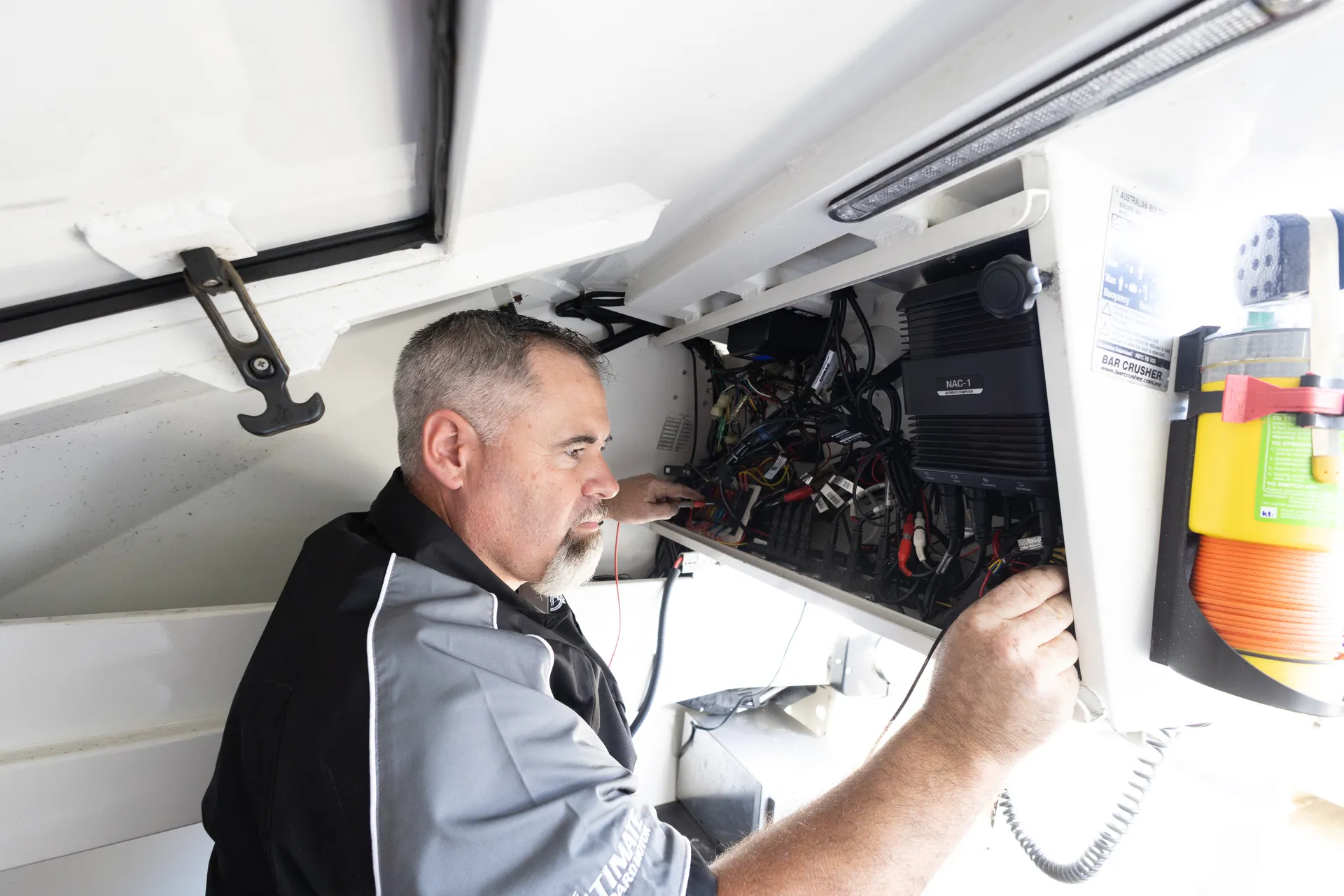
When fitting out a new engine package, practical functionality should take priority over aesthetics. Control boxes, throttle handles, seating, gauges, and electronics should all be positioned with usability and ergonomics in mind. Poor layout planning can lead to frustrating issues such as restricted throttle movement, obstructed gauges, or seats interfering with controls. A considered fit-out improves safety and your overall experience on the water.
Visit marinescene.com.au